
More than 200,000 Nigerians are dying from cardiovascular diseases every year, a grim reality that health experts say should no longer be treated as an unavoidable part of life.
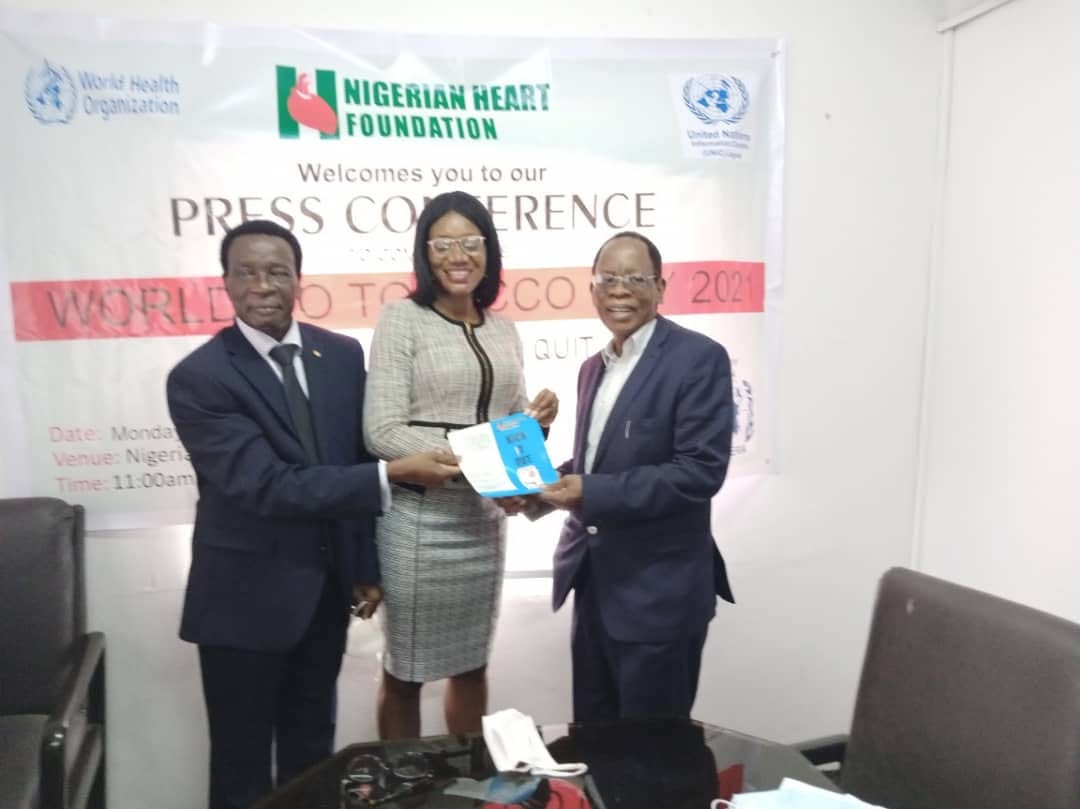
The Nigerian Heart Foundation (NHF) disclosed this disturbing figure on September 29, 2026, in Lagos, during an event marking the 2026 World Heart Day, held under the theme, “Healthy Hearts: From the Classroom to the Families.”

According to the foundation, more than 235,000 people die from cardiovascular diseases in Nigeria every year, while cardiovascular diseases account for 19.8 million of the estimated 63 million deaths recorded globally annually.
Behind those statistics are families losing parents, children losing loved ones and communities losing people who could potentially have lived longer lives.
The Tragedy May Be Preventable
Perhaps the most disturbing part of the warning is that many premature cardiovascular deaths could potentially be prevented.
The NHF said at least 80 per cent of premature deaths from heart disease could be avoided if five major risk factors were controlled. They include tobacco use, unhealthy diets, physical inactivity, harmful alcohol use and air pollution.
NHF Executive Director, Dr Kingsley Akinroye, said prevention must begin from childhood because heart disease does not simply appear suddenly in old age.
“Heart disease begins at an early age and accumulates over the years,” Akinroye said.
He urged teachers to promote healthy diets and physical activity among pupils, saying the foundation’s focus on schools was intended to take heart-health education to the grassroots and “catch them young.”
Warning Signs Can Be Missed
The NHF also warned that cardiovascular disease symptoms can go unnoticed, dismissed or ignored.
That concern has also been reflected in the World Heart Federation’s 2026 “Don’t Miss a Beat” campaign, which seeks to draw attention to symptoms that may remain unnoticed until it is too late.
For families already struggling with the consequences of sudden illness or death, delayed recognition can turn a health problem into a devastating tragedy.
Hospitals Alone Cannot Solve It
The Nigerian Cardiac Society (NCS) has called for stronger government action on cardiovascular disease prevention, screening and treatment.
Speaking during World Heart Day activities in Abuja, NCS President, Prof. Rasaaq Adebayo, said Nigeria’s growing population was putting additional pressure on cardiovascular healthcare services.
He acknowledged improvements in healthcare facilities and services but said the country still needed more.
- Nigeria’s National Anthem: A Journey Through 66 Years
- Tinubu: Nigeria Is Moving Beyond Economic Hardship As Prosperity Beckons
- Behind the Scenes with Wonderman
- General Elvee Brings Gospel Reggae Vibes to Kristofarian Jam Session
- Rapture Man Celebrates Jesus Through Gospel Reggae
“Our population keeps growing, and the needs of the people keep growing. We still continue to advocate more facilities. The ones that have been used, we need to replace them and so on,” he said.
Screening Must Begin Earlier
Professor of Medicine and Consultant Cardiologist, Prof. Amam Mbakwe, called for cardiovascular screening to become part of Nigeria’s primary healthcare system.
She warned that Nigeria cannot depend solely on specialists and tertiary hospitals to confront the growing disease burden.
“The screening must start at the primary healthcare level,” Mbakwe said.
“Let’s integrate it into the already existing primary healthcare system.”
The Cost Of Treatment
The NCS Secretary-General, Prof. Ejiroghene Umuerri, also raised concerns about the cost of cardiovascular medicines.
She called for increased local production of cardiovascular drugs, noting that although many are listed as essential medicines and are relatively affordable, most are imported.
That dependence on imported medicines can increase treatment costs and make access more difficult for people who already face financial challenges.
A Crisis That Starts Before The Hospital
The message from Nigeria’s cardiovascular health experts is therefore not simply about building hospitals.
It is about what Nigerians eat, how active they are, what they are exposed to, how early they are screened and whether they recognise warning signs before a crisis becomes fatal.
With more than 200,000 Nigerians reportedly dying from cardiovascular diseases each year, the disturbing question remains: how many of these deaths could have been prevented if risks had been identified and action taken earlier?