
A powerful call for change is putting African civil society organisations at the centre of an important global conversation. Nigerian Civil Society Organisations (CSOs) and their allies are urging the United Nations to remove accreditation barriers and reverse the suspension of access badges that have restricted non-governmental organisations from participating fully in international decision-making.
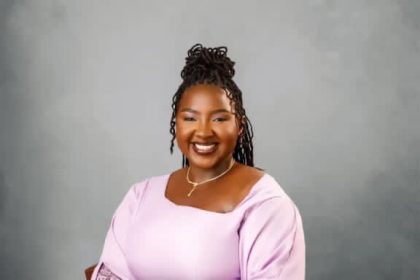
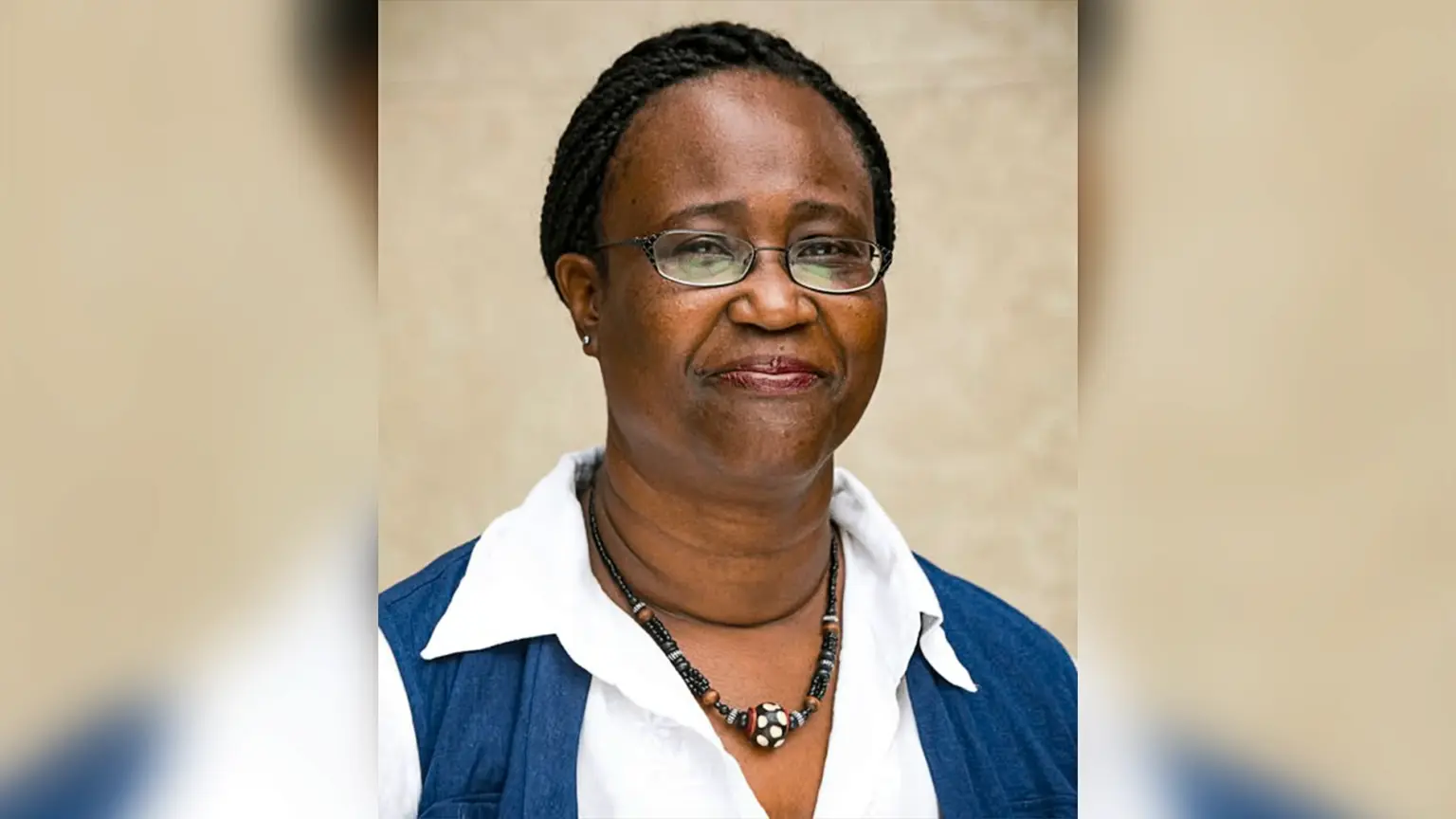
The appeal was highlighted on October 12, 2026, by Dr Judith-Ann Walker, Executive Director of the development Research and Projects Centre (dRPC) and a member of the Presidential High Level Council on Women and Girls. Her concerns followed the recently concluded 81st session of the United Nations General Assembly (UNGA) in New York, where African civic groups reportedly faced significant obstacles to participation.

Walker drew attention to a public statement by the World Alliance for Citizen Participation (CIVICUS), which condemned the UN accreditation system for creating frustrating barriers and suspending badges for non-governmental organisations accredited through the Economic and Social Council (ECOSOC).
Despite these challenges, the dRPC successfully navigated the restrictions to participate in strategic side events organised by International IDEA, the Global Partnership for Education (GPE) and the Global Campaign for Education US.
However, Walker warned that many Nigerian NGOs could not attend crucial international meetings because of limited domestic funding, declining philanthropic investment and funding cuts associated with the United States Agency for International Development (USAID).
One particularly significant missed opportunity followed a September 15 meeting in Abuja, where Nigerian organisations convened ahead of the GPE replenishment meeting and launched the Abuja Call to Action on Sustainable Education Financing. Few of the participating Nigerian NGOs subsequently attended the September 23 meeting in New York, despite its focus on a global education financing replenishment of $3.5 billion, led by Nigeria for the first time in the GPE’s history.
- World Bank Report Signals Nigeria Poverty Stabilisation
- Lagos Chamber 0f Commerce And Industry Seeks Petroleum Price Reduction
- Nigerian NGOs Demand Equal Voice At UN
- Could Cheaper Petrol Finally Bring Food Relief?
- Abiodun Baiyewu’s Journey In Human Rights And Access To Justice
Walker also highlighted the absence of Nigerian CSOs from a special meeting involving seven Northwest governors, who gathered on the sidelines of UNGA 81 to discuss sustainable peace, community resilience and economic opportunity.
Her message is clear: African organisations working directly with communities deserve meaningful opportunities to influence the policies that affect those communities.
“Ring fencing resources to support African CSOs’ participation at UNGA is a strategic and important step for ensuring that civic groups which feel the pulse of local people have a seat at global tables where national policies are shaped and even made,” Walker said.
For NGO media Nigeria, this issue represents more than an accreditation dispute. It is a compelling example of how NGO publicity Nigeria, NGO press coverage Nigeria, and NGO storytelling Nigeria can bring attention to barriers affecting development, education and civic participation.
Through stronger development communications Nigeria, NGO impact storytelling and civil society media Nigeria, organisations can communicate their challenges, demonstrate their contributions and build public understanding of why inclusive global decision-making matters.
Ultimately, ensuring that African CSOs have a seat at the table could help connect international commitments with the realities experienced by the people those commitments are intended to serve.