

Nigeria’s growing debt burden is raising concerns about the country’s ability to adequately fund climate action and protect communities already facing environmental and economic challenges.
The warning came from ActionAid Nigeria and the Euphrates Climate Foundation during a press conference in Abuja. The organisations said rising debt repayments could reduce the resources available for climate adaptation and essential services such as healthcare, education, flood prevention and sustainable agriculture.
The concern followed the release of ActionAid International’s report, Debt Fuels the Climate Crisis: How the Finance Flows. The report found that climate-vulnerable countries are spending nearly 25 times more on debt repayments than on climate action. For Nigeria, ActionAid said debt repayments are projected to take up more than half of government revenue in 2026.
According to ActionAid Nigeria Country Director, Dr Andrew Mamedu, the impact goes beyond government finances. Farmers, fishers, women, girls and young people are among those who could feel the effects when climate investment and public services are limited. The organisation pointed to flooding, environmental degradation, changing rainfall patterns and pressure on agricultural production as challenges already affecting communities.
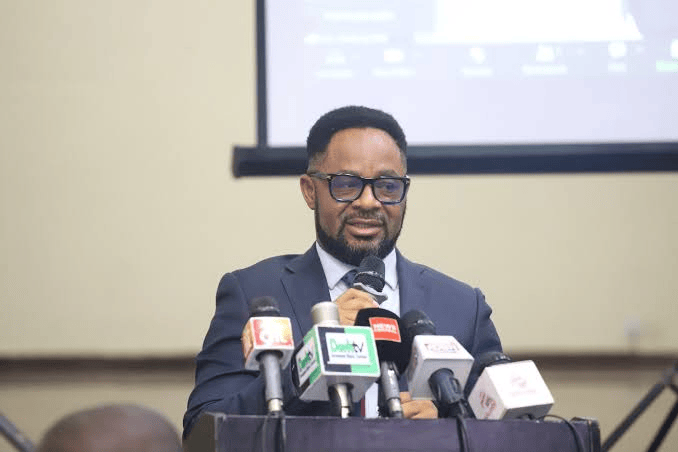
The organisations are calling for stronger domestic investment in renewable energy, sustainable agriculture and flood prevention, alongside a more transparent and sustainable approach to managing Nigeria’s debt. They also want climate funds to be properly tracked and to reach the communities most affected by climate change.
- FENRAD, HEDA Call For Probe Of Abia Pipeline Blast
- Debt Pressure Threatens Climate Action
- Rotary Club Pledges Hope Through Community Action
- Akweyatv Promote Language, Profile Influential Akweya Priest
- 37 Miners Died in Custody, Who Will Answer?
For people whose livelihoods depend on farming and fishing, climate change is not simply an environmental issue. When floods destroy farmland, pollution affects waterways or changing weather disrupts production, the effects can reach directly into household incomes and food security.
ActionAid and the Euphrates Climate Foundation are therefore urging policymakers to treat debt management and climate action as connected issues, arguing that protecting Nigeria’s future will require financial decisions that also consider the people and communities most vulnerable to climate change