
As poverty and harmful social attitudes continue to threaten girls’ education in Nigeria, campaigners are calling for stronger protection, better access to schooling and a future in which no girl has to sacrifice her childhood because her family cannot afford to keep her in school.
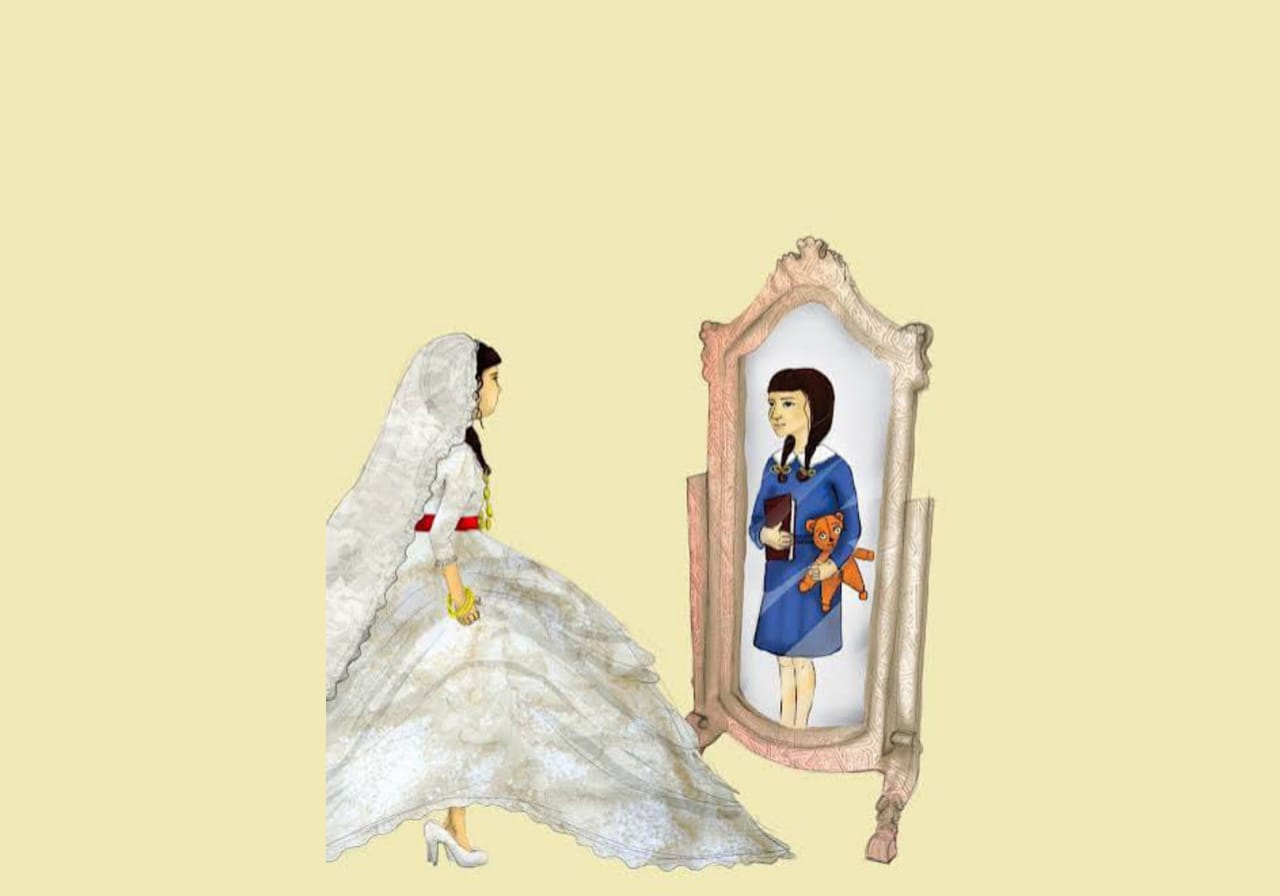
For some Nigerian girls, the journey to adulthood is interrupted long before they have the opportunity to discover who they want to become. Instead of preparing for examinations, pursuing their ambitions or building the skills to become financially independent, they are pushed towards marriage, often because their families are struggling to survive.
Behind this reality lies a difficult question: When a family cannot afford to educate its daughter, should marriage become the alternative?
For Amnesty International (AI), the answer is clear. Poverty and entrenched social attitudes are driving girls out of school and into early marriage, making stronger government action necessary to protect their rights and keep them in education.
Speaking at a programme organised in Yola, Adamawa State, to mark the 2026 International Day of the Girl Child, AI Nigeria’s Media and Communications Manager, Dooshima Tsee, said many girls were unable to complete their education and, as a result, could not fully develop their potential or participate in society.
According to Amnesty International, economic hardship has led some parents to view child marriage as one of the few options available to them. When the cost of keeping a child in school becomes difficult to bear, a girl’s dreams can become secondary to her family’s immediate financial needs.
Yet this is where the problem becomes more complicated. While poverty can explain why some families make such decisions, it does not remove the consequences for the girls involved. Early marriage can interrupt their education, limit their choices and place their future in the hands of circumstances they did not create.
Beyond Keeping Girls in School
Education is often described as a pathway to opportunity, but getting girls into classrooms is only part of the solution. They must also be protected from discrimination, abuse and the social expectations that prevent them from learning and participating fully in their communities.
Amnesty facilitator Rubecca Malgwi highlighted the challenges girls continue to face, including unequal treatment in education, excessive household responsibilities, safety concerns, restrictions on freedom of expression and limited access to menstrual hygiene.
- Dangote Refinery IPO Attracts Fourfold Subscriptions
- Alex Mascot Rebuilds Constitution Crescent Primary School
- Education Investment Could Transform Nigeria’s Girls
- Amnesty Demands Answers Over Maitama Land Allocation
- School or Marriage: The Choice No Girl Should Face
These challenges may appear different, but they can produce the same outcome: a girl gradually loses the freedom and support she needs to remain in school.
This suggests that efforts to end child marriage must go beyond public campaigns and occasional celebrations. Families need support, schools must be safe and accessible, and communities must question practices that place the burden of economic hardship and social expectations disproportionately on girls.
The Call for Stronger Protection
The Helpline Social Support Initiative (HSSI) has also called for stronger laws and practical measures to end child marriage, prevent abuse and protect girls’ rights.
In a statement issued ahead of the 2026 International Day of the Girl Child, under the theme “End Child Marriage and Invest in Girls’ Rights,” HSSI President, Dr Jumai Ahmadu, urged governments, families and community leaders to prioritise the safety, education and empowerment of girls.

Ahmadu stressed that girls should be able to report threats and seek assistance without fear of blame or retaliation. She maintained that the responsibility for protecting them rests with adults and the institutions established to safeguard their welfare.
One of HSSI’s interventions, the Voice of the Girls Parliament, seeks to help girls understand their rights, express their concerns confidently and engage with the people and institutions responsible for their protection.
However, encouraging girls to speak up must be accompanied by a willingness to listen and act. Teaching a girl to report abuse means little if her concerns are dismissed, if she is blamed for speaking out or if the people responsible for protecting her fail to respond.
The real measure of such initiatives, therefore, is not simply whether girls can speak, but whether their voices lead to meaningful action.
Communities Must Become Part of the Solution
The United Nations Children’s Fund (UNICEF) has also urged parents, traditional rulers, governments and community stakeholders to intensify efforts to end child marriage and invest in girls’ development.
Speaking during activities marking the International Day of the Girl Child in Gombe State, organised in collaboration with Gombe and Bauchi states, UNICEF Bauchi Chief of Field Office, Dr Nuzhat Rafique, said ending child marriage required coordinated interventions in education, health, nutrition and social policy.
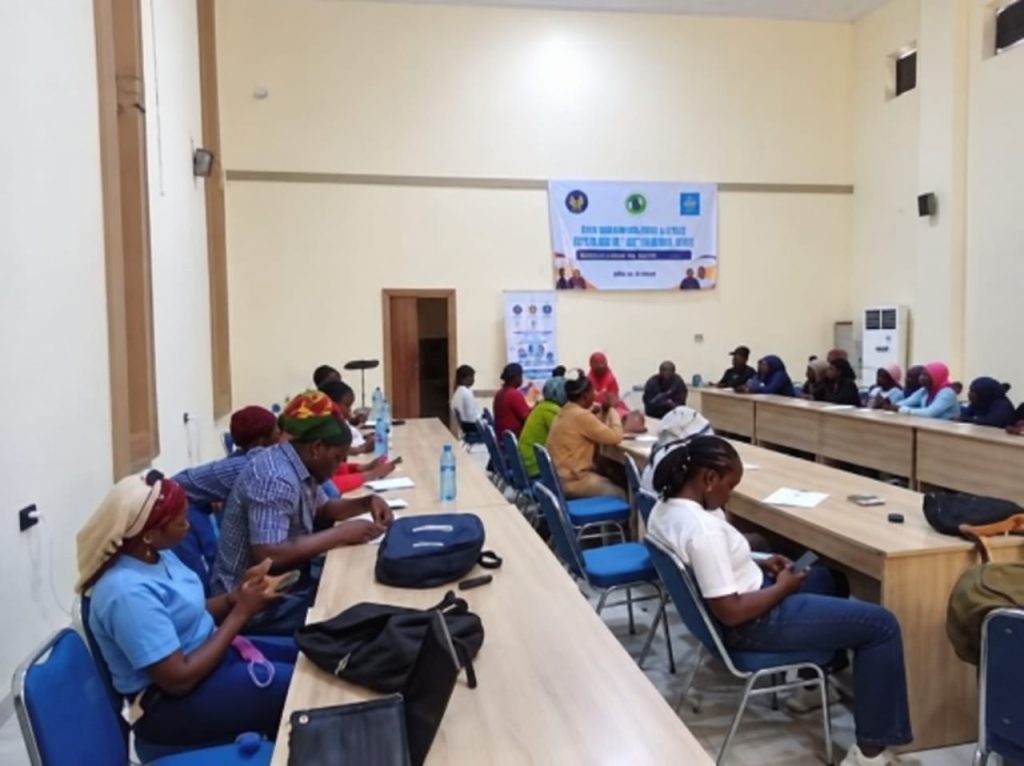
She also called on traditional rulers to mobilise their communities against child marriage and promote the importance of educating and empowering girls.
This appeal highlights an important reality: laws alone may not be enough where harmful practices are sustained by long-standing community attitudes. Traditional and religious leaders, parents, teachers and other influential community members have a role to play in challenging those attitudes and ensuring that girls are treated as individuals with rights, ambitions and choices.
In Ogun State, the Network Against Child Trafficking, Abuse and Labour (NACTAL) raised concerns about out-of-school girls roaming the streets and facing increased risks of human trafficking and abuse.
The organisation’s state coordinator, Comrade Olufemi Olusola, said girls were still being sent by parents or guardians to hawk during school hours despite government interventions in education and child protection. He appealed to parents to stop sending their daughters to hawk on the streets or forcing them into early marriages.
The concern is particularly significant because being out of school can expose girls to risks beyond the loss of an education. Without adequate protection and opportunities, they may become more vulnerable to exploitation and abuse.
The Ogun State chapter of the Nigeria Association of Women Journalists (NAWOJ) similarly called for renewed commitment to ending child marriage and investing in girls’ education, safety and future.
Its chairperson, Morenikeji Sobaloju, emphasised that every girl deserves the opportunity to learn, grow, make informed choices and fulfil her potential without fear, discrimination or harmful cultural practices.
What Does Protecting a Girl’s Future Really Mean?
The repeated calls from these organisations point to a challenge that cannot be solved by awareness alone. Protecting girls requires practical action: making education accessible, addressing the economic pressures that push families towards early marriage, enforcing child-protection laws and providing safe channels through which girls can report abuse.
It also requires a shift in how communities view girls. A daughter should not be regarded as a financial burden to be transferred through marriage when her family encounters hardship. Her education, safety and development should be recognised as investments in her future and in the wider society.
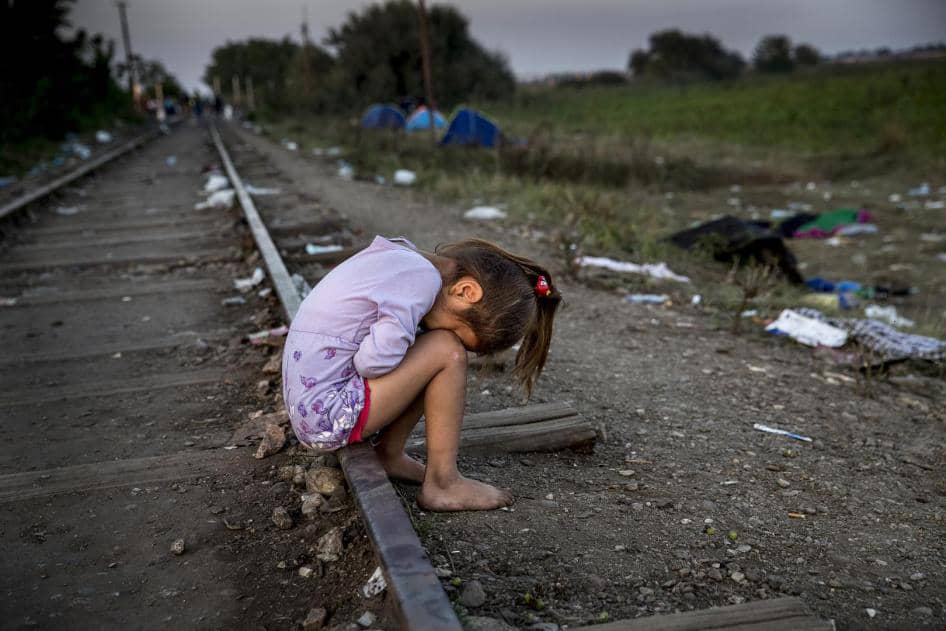
HSSI has urged governments, traditional and religious leaders, parents, schools and civil society organisations to include girls’ perspectives in policies and programmes designed to protect their rights and promote their development.
That inclusion matters. Girls are not merely beneficiaries of protection; they are individuals whose experiences should help shape the decisions affecting their lives.
Ultimately, the question is not whether Nigeria can afford to invest in its girls, but what it stands to lose when their education and childhood are cut short.
A girl should not have to choose between schooling and survival, nor should her future be determined by the economic circumstances into which she was born. If protecting the girl child is to mean more than words spoken on an international day, the commitment must continue long after the celebrations end.