

A stronger investment in girls’ education could unlock new opportunities for millions of young people and accelerate Nigeria’s development, according to the Adolescent Health and Information Projects (AHIP), which is urging governments, development partners and communities to take decisive action.
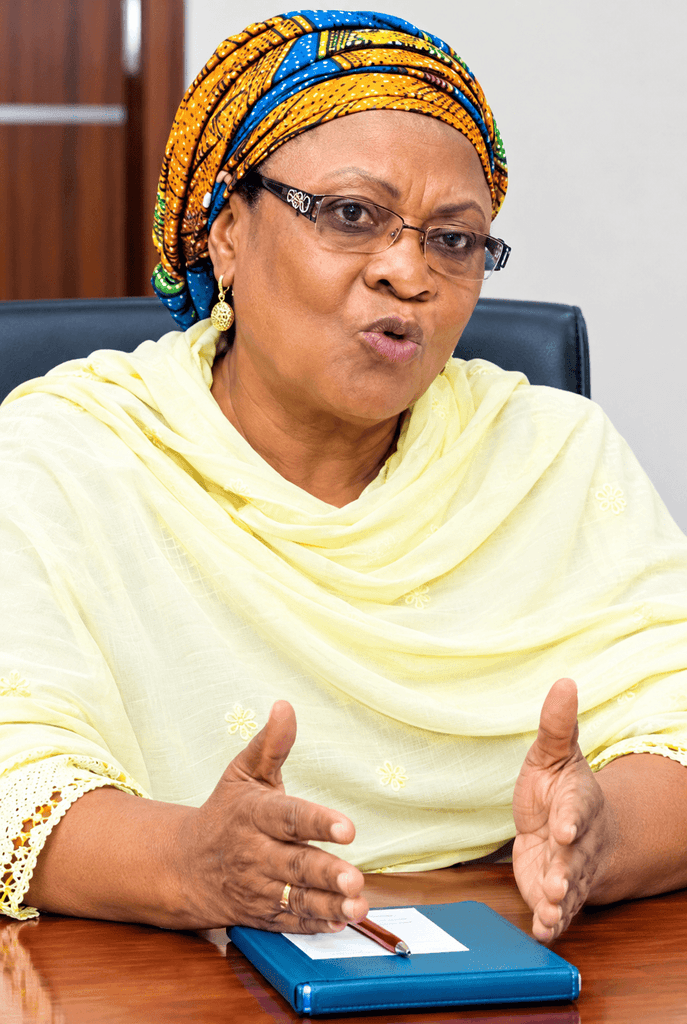
The organisation’s Executive Director, Dr Mairo V. Bello, made the call in a statement issued in Kano to mark the 2026 International Day of the Girl Child on October 11, highlighting the importance of ensuring that every girl has access to quality education, healthcare, protection and equal opportunities.
Bello stressed that investing in girls is not simply a social responsibility but an essential step towards sustainable development. She called on governments at all levels, parents, traditional and religious leaders, civil society organisations and the private sector to strengthen programmes that enable girls to learn, develop their talents and participate meaningfully in society.
However, many girls in Nigeria, particularly those in underserved communities, continue to face obstacles that threaten their education and future ambitions. These include poverty, forced marriage, sexual exploitation, school dropout, discrimination and limited access to sexual and reproductive health information and services.
According to Bello, these challenges deny girls their rights and prevent them from reaching their full potential. She maintained that no girl should have to abandon her education or aspirations because of poverty, insecurity or harmful traditional practices.
To address these concerns, AHIP called for stronger government policies, improved adolescent-friendly healthcare services and increased funding for development initiatives that equip girls with relevant knowledge, practical skills and resources. The organisation also urged parents and community leaders to challenge harmful stereotypes and create safe environments where girls can develop their confidence and leadership abilities.
The appeal presents an important opportunity for the development sector in Nigeria to strengthen collaboration around education, gender equality and youth empowerment. Development organisations, NGOs and civil society groups can help advance these priorities through community engagement, advocacy and targeted development programmes.
- Dangote Refinery IPO Attracts Fourfold Subscriptions
- Alex Mascot Rebuilds Constitution Crescent Primary School
- Education Investment Could Transform Nigeria’s Girls
- Amnesty Demands Answers Over Maitama Land Allocation
- School or Marriage: The Choice No Girl Should Face
These efforts also connect directly with the Sustainable Development Goals Nigeria agenda, particularly SDG 4 on quality education and SDG 5 on gender equality. Progress in these areas can contribute to broader economic development in Nigeria by helping girls acquire the knowledge and skills needed to participate in their communities and the workforce.
AHIP reaffirmed its commitment to advancing adolescent girls’ rights through advocacy, access to information, community engagement and empowerment programmes. The organisation urged stakeholders to move beyond promises and translate their commitments into practical action.
For Nigeria’s development journey, the message is clear: when girls receive the education, healthcare and opportunities they deserve, the benefits can extend beyond individual lives to families, communities and the wider economy. Increased investment in girls today could help create a more inclusive and sustainable future for the country.


