
By Praise Otor Peters
The Presidential Initiative on Compressed Natural Gas and Electric Vehicles (Pi-CNG & EV) has welcomed the decision by the Nigeria Governors’ Forum to support measures aimed at reducing transportation costs by leveraging the lower cost of Compressed Natural Gas (CNG) and electric vehicles.
The development followed discussions between President Bola Ahmed Tinubu and state governors, during which the governors agreed to take steps to ensure that the cost advantages of CNG translate into cheaper transportation for Nigerians.
The initiative said the move is important to ensuring that ongoing investments in the country’s CNG ecosystem deliver direct benefits to citizens, particularly commuters who continue to face high transportation costs.
President Tinubu disclosed that the Federal Government has already made significant investments in the transition to CNG, with more than 120,000 vehicles converted nationwide and over 100,000 additional conversion kits in the pipeline.
He also highlighted the expansion of CNG conversion centres and refuelling infrastructure across the country as part of efforts to encourage the adoption of cleaner and more affordable transportation alternatives.
- Dangote Refinery IPO Attracts Fourfold Subscriptions
- Alex Mascot Rebuilds Constitution Crescent Primary School
- Education Investment Could Transform Nigeria’s Girls
- Amnesty Demands Answers Over Maitama Land Allocation
- School or Marriage: The Choice No Girl Should Face
Through the Midstream and Downstream Gas Infrastructure Fund, more than 100 gas projects are currently being financed, including 15 CNG mother stations and 86 daughter stations.
The President has also directed the rollout of an additional 500 CNG refuelling stations, which would bring the planned nationwide programme to 1,000 stations.
Pi-CNG & EV Calls for Wider Collaboration
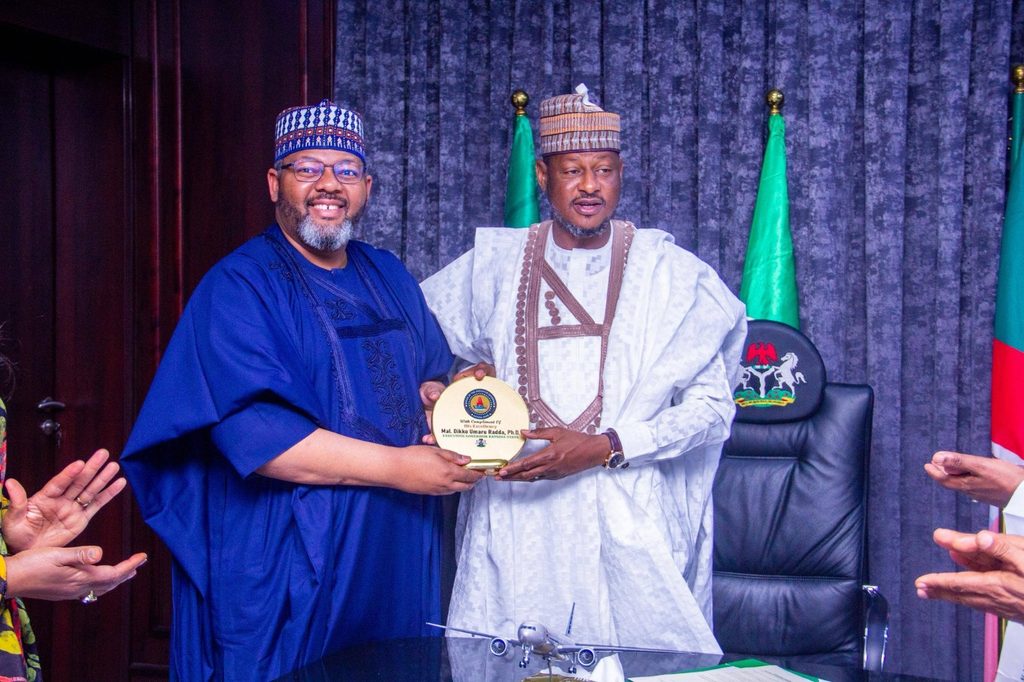
Reacting to the development, the Executive Chairman and Chief Executive Officer of Pi-CNG & EV, Barr. Ismaeel Ahmed, OON, described the governors’ position as an important step towards ensuring that the benefits of CNG investments reach ordinary Nigerians.
Ahmed said while the country has made progress in developing the CNG ecosystem, stronger collaboration among governments and other stakeholders would be necessary to achieve the desired impact.
He called for deeper cooperation between the Federal Government, state governments, private sector operators, transport unions, financial institutions, development partners and other stakeholders.
According to him, state-level support for vehicle conversions, fleets and supporting infrastructure will be particularly important in ensuring that the savings from CNG are reflected in passenger fares.
“Benefits of this policy must not only be for the vehicle owner; they must be felt by citizens as well,” Ahmed said.
States’ Role Critical to Lower Transport Costs

Ahmed noted that the commitment of state governments to support CNG conversions and enabling infrastructure could help accelerate the transition while making transportation more affordable for residents.
He said the initiative is ready to work with state governments and other stakeholders to translate the proposed CNG Transit Programme into practical benefits across the country.
“At Pi-CNG & EV, we look forward to working with the states and all stakeholders to make this a reality across the country,” he said.
The renewed cooperation between the Federal Government and state governments is expected to build on ongoing investments in CNG conversion and refuelling infrastructure.
The broader objective is to reduce the cost of moving people and goods across Nigeria while ensuring that the economic benefits of the country’s transition to CNG and electric mobility are felt by citizens.