
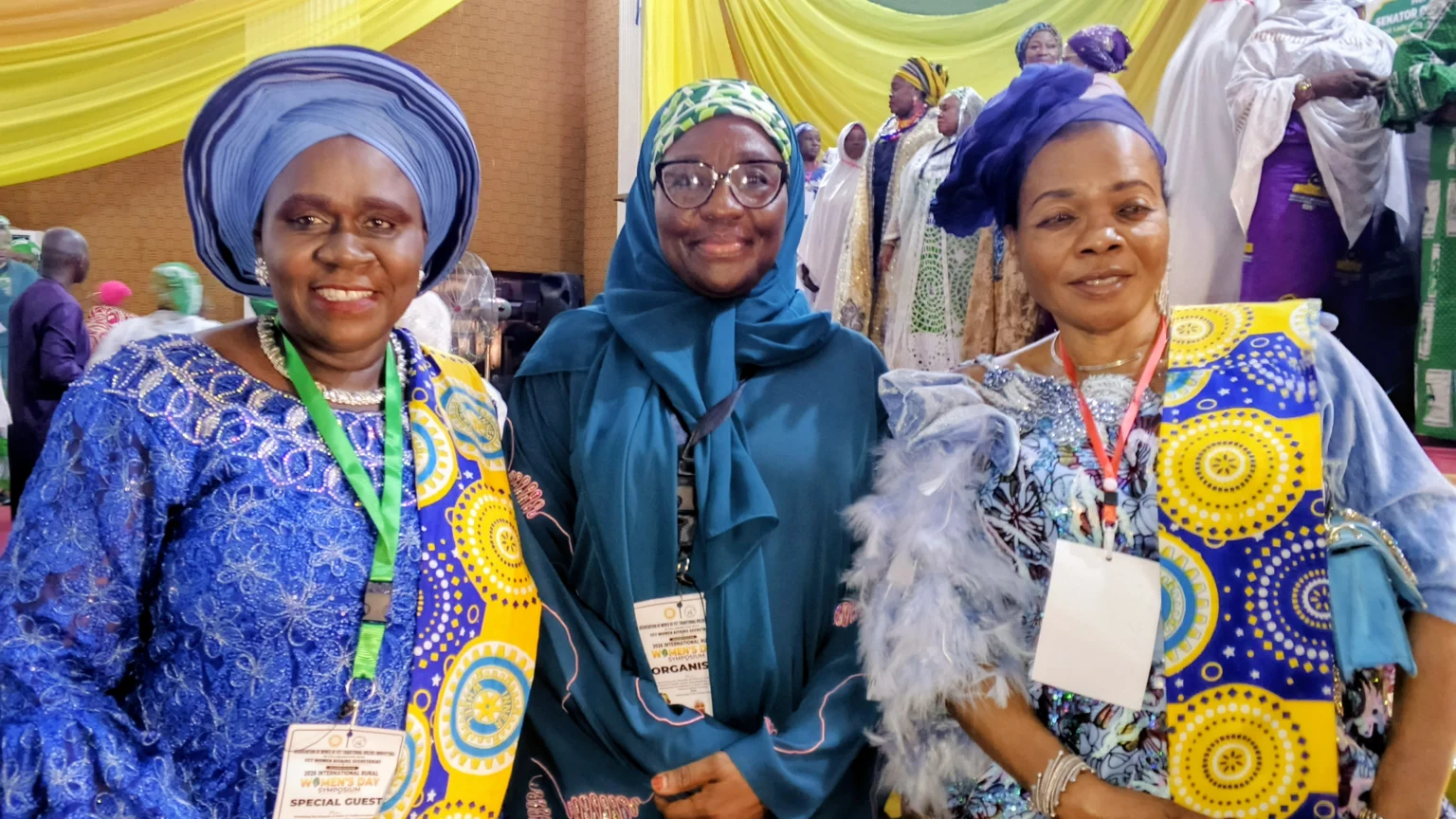

A powerful message emerged from Abuja during the 2026 International Rural Women’s Day celebration: when community leaders champion girls’ education and women’s empowerment, the benefits can reach far beyond individual families to strengthen entire communities.
The message came from Dr Fehintola Adeseun, District Chairman of Inner Wheel District 910, Nigeria, who spoke on Wednesday, October 14, at a symposium organised by the Association of Wives of FCT Traditional Rulers in collaboration with the FCT Women Affairs Secretariat.
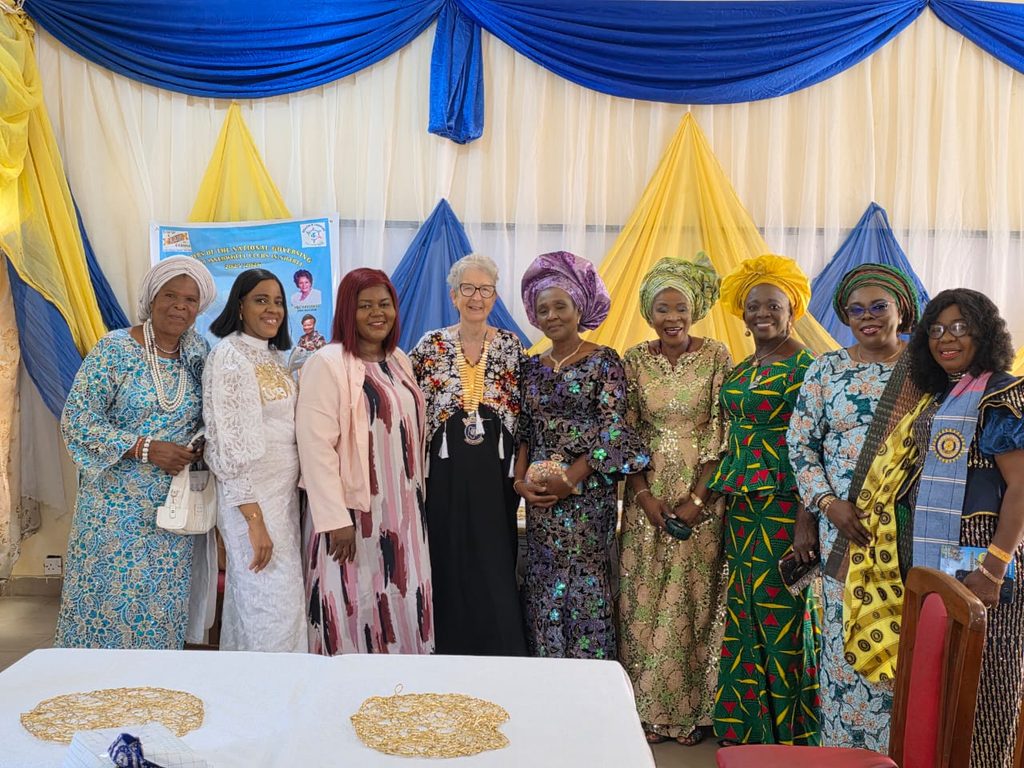
Adeseun called for stronger partnerships among government agencies, traditional institutions and civil society organisations to expand educational opportunities, improve women’s livelihoods and promote peaceful communities.
She highlighted the influential position of traditional rulers’ wives, explaining that their trusted relationships with families and communities could help transform attitudes towards education, economic participation and conflict resolution.
When a Queen speaks in support of education, the girl child listens; when she advocates for women’s empowerment, the community takes notice; when she promotes peace, her influence helps prevent conflicts and strengthen unity, she said.
This approach places community leadership at the heart of development communications in Nigeria, showing how trusted local voices can help bridge the gap between development programmes and the people they are designed to serve.

Adeseun noted that rural women contribute significantly to agriculture, small businesses, family welfare and cultural preservation. Yet many continue to face limited access to schooling, vocational training, healthcare, financial resources and opportunities to participate in community decision-making.
She urged traditional rulers’ wives and other stakeholders to help keep girls in school, promote equal educational opportunities, encourage sustainable businesses and livelihoods, and foster harmony within their communities.
Inner Wheel District 910 is already implementing initiatives that support these goals. Adeseun said the organisation had empowered more than 1,000 women with sewing machines, grinding machines, farming equipment, fertilisers and business grants.
Its interventions also include borehole projects in several FCT communities, classroom and administrative block construction, and a library serving Kuchiako and the Karamaijiji Disability Community.
- Sports Media Partnership Could Unlock Jobs
- NAF Assures Igbokoda Residents Of Action Over River Pollution Concerns
- CSO Leader Champions Kindness for Global Progress
- UN Proposes $3.3bn Budget As Nigeria Chairs Review
- Nigeria Moves to Strengthen Power and Digital Infrastructure
In Karshi, construction has commenced on a multipurpose Skills Acquisition Centre intended to provide continuing vocational training for women and young people.
These initiatives demonstrate how NGO impact stories in Nigeria can connect education, economic empowerment, inclusion and community wellbeing within a broader vision of sustainable development.
Founded in Manchester, England, in 1924 by Margarette Golding, Inner Wheel operates in more than 100 countries and has nearly 120,000 members worldwide. Its Nigerian District 910 covers the FCT and parts of Niger, Kogi and Nasarawa states, with nine active clubs and 160 members.
Adeseun stressed that no single organisation could achieve sustainable development alone. She called for collaboration among traditional rulers, public institutions, private enterprises and community-based organisations, with rural women actively involved in decisions affecting their lives.
“Let us ensure that rural women are active participants in identifying their needs, shaping policies, and implementing solutions,” she said.
For Nigeria’s development sector, this is an encouraging reminder that lasting progress requires more than providing assistance. It also requires listening to communities, strengthening trusted leadership and creating opportunities for women and girls to influence their futures.
Through stronger partnerships and effective NGO storytelling, initiatives like these can inspire public engagement, encourage collaboration and bring greater visibility to the people working to build inclusive and resilient communities.



