

Nigeria’s electricity and telecommunications sectors could be better prepared for emerging technologies as engineering professionals and regulators push for stronger standards, improved coordination and safer infrastructure.
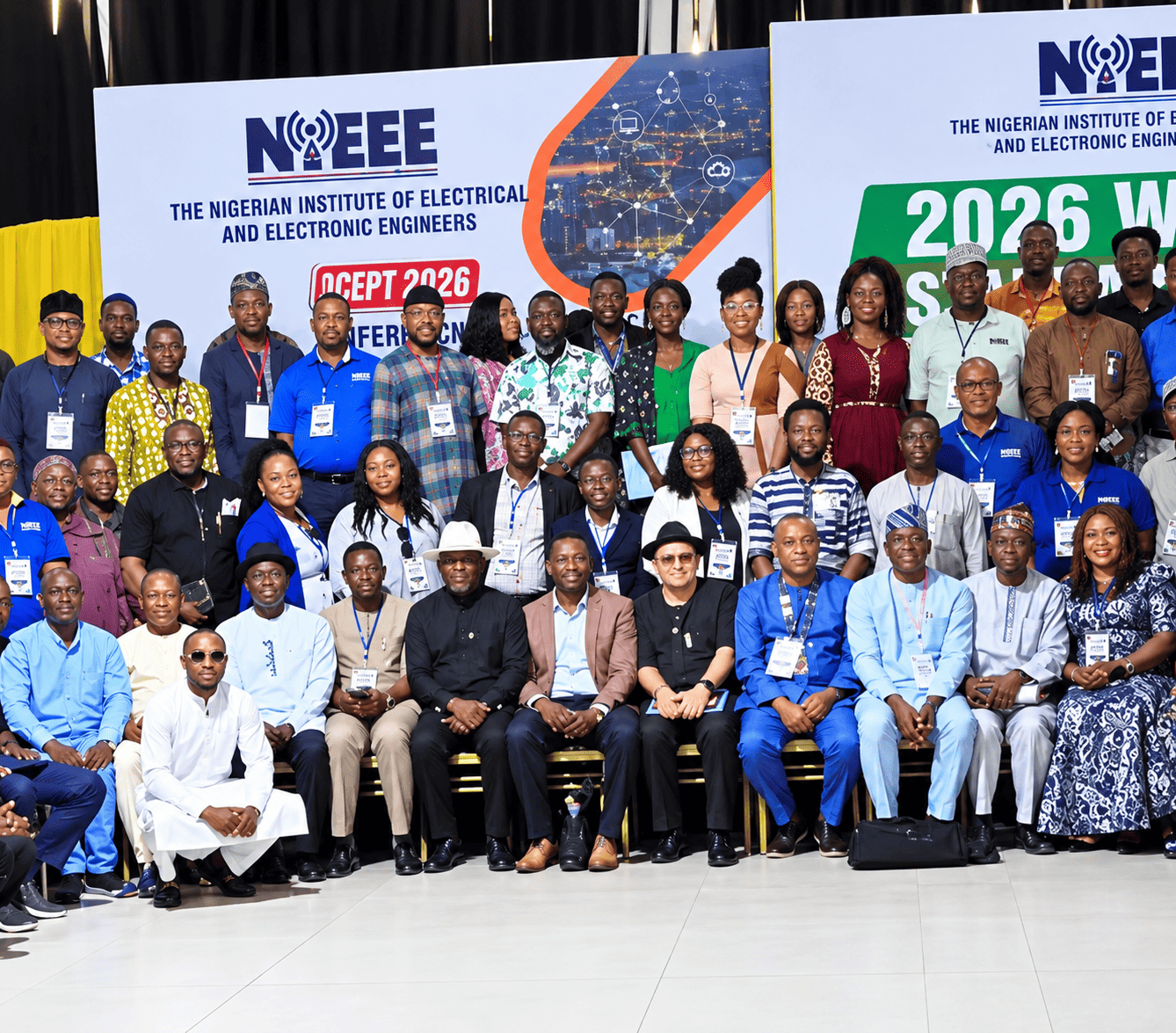
The developments featured at an event organised by the Nigerian Institute of Electrical and Electronics Engineers (NIEEE) to commemorate the 2026 World Standards Day in Port Harcourt on Monday, where industry leaders highlighted opportunities to modernise essential services and support economic growth.
One significant development came from the Nigerian Electricity Regulatory Commission (NERC), which is reviewing the national grid code to accommodate renewable energy, distributed energy resources and virtual power plants.
Speaking at the event, Mr Joseph John, who represented NERC as keynote speaker, said the review would align the grid code with the Electricity Act 2023 and address emerging technologies in the electricity sector.
According to John, the proposed review would clarify the responsibilities of the Nigerian Independent System Operator and other industry operators while strengthening grid security, transmission access and real-time monitoring.
He explained that maintaining grid stability requires effective control of frequency, voltage and phase angle, as well as a balance between electricity generation and supply.
The announcement offers an important angle in Nigerian news analysis: as energy systems evolve, clear technical rules and effective monitoring will be essential to integrating new sources of electricity while protecting the stability of existing infrastructure.
- Gospel Singer Toluwanisings Dies At 41
- Nigerian Authors Set For 45th International Convention In Abuja
- African Spoken Word Contest Opens New Doors
- ACReSAL Unites States To Transform Environmental Plans
- Kogi Police Boost Security Ahead Of Elections
The telecommunications sector also featured prominently in the discussions. Nigerian Communications Commission (NCC) Executive Vice Chairman, Dr Aminu Maida, represented by Mr Joseph Emeshili, called for stronger collaboration among telecommunications, power and engineering stakeholders.
Maida highlighted the importance of standardisation in network security, equipment compatibility, interoperability and quality service delivery. He also explained that the NCC’s Type Approval Process helps ensure that telecommunications devices meet established technical and safety requirements before deployment in Nigeria.
He urged government agencies, engineers and construction companies to protect telecommunications cables and facilities from damage during road construction, stressing the importance of safeguarding infrastructure that supports digital connectivity.
Emerging technologies, including the Internet of Things (IoT) and fifth-generation (5G) networks, were also identified as opportunities to improve infrastructure monitoring and digital services. However, the growing use of Artificial Intelligence in engineering requires appropriate human supervision to prevent errors and misleading results.
NIEEE President, Dr Felix Adeboye, called on engineers to enforce professional standards, reject unsafe practices and contribute more actively to developing international standards that reflect African needs.
Stronger standards alone will not solve every infrastructure challenge. However, effective implementation, professional accountability and cooperation among regulators and industry stakeholders could help Nigeria build safer, more reliable systems.
As what’s happening in Nigeria increasingly includes conversations about renewable energy, digital transformation and local industrial growth, the message from Port Harcourt is clear: technological progress works best when innovation is supported by safety, sound regulation and skilled professionals.


