
Have you ever reacted more strongly than you intended during an argument, sent a message in anger, or felt so overwhelmed that it became difficult to think clearly? Later, you may have wondered why the emotion felt so powerful. These experiences can happen to anyone, especially under stress. When managing intense emotions becomes a frequent difficulty, psychologists may explore emotional regulation.
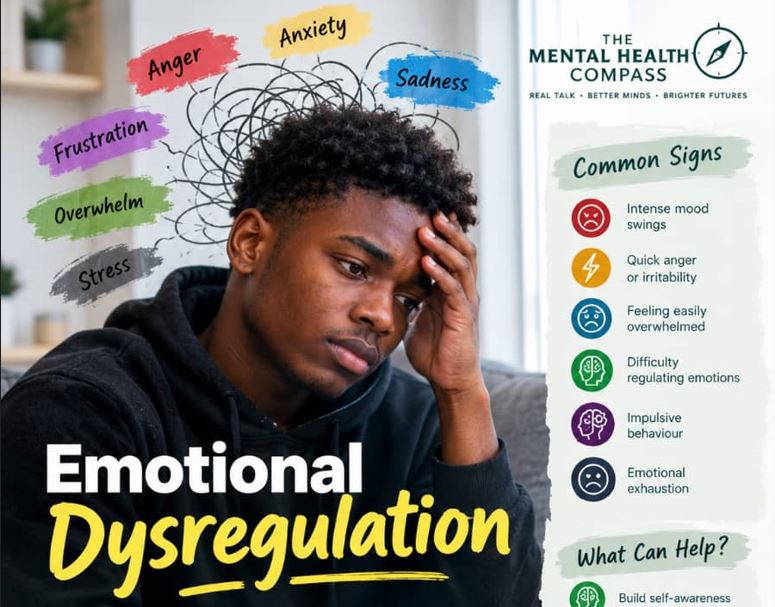
Emotional dysregulation describes difficulty recognising, tolerating, or managing emotional responses in ways that fit a situation. It is not a diagnosis on its own, and it does not mean someone is a bad person or deliberately chooses every reaction.
What might contribute to it?
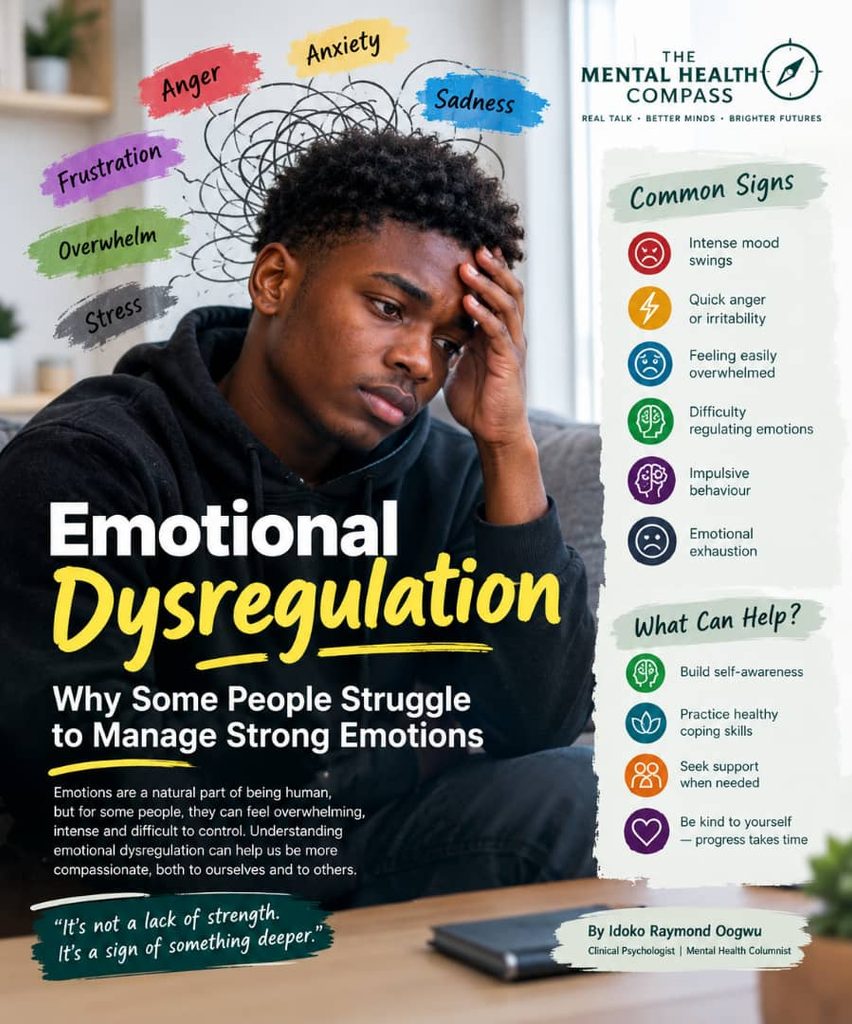
Stress, sleep deprivation, painful experiences, ongoing conflict, and limited opportunities to learn emotional skills can make regulation harder. Some mental health conditions may also involve difficulties managing emotions. The reasons vary from person to person, so it is important not to diagnose someone based on one outburst.
People respond differently when emotions rise. One person may shout or act impulsively; another may withdraw, shut down, or struggle to explain what is wrong. Both can experience intense internal distress, even when it looks different from the outside.
Psychology Insight
Emotions provide information, but they do not have to dictate every action. Effective regulation does not mean suppressing feelings or remaining calm at all times. It involves noticing an emotion, understanding what may have triggered it, and choosing a response that reduces harm and supports your longer-term goals.
Skills to practise
First, learn to recognise early warning signs. These may include a racing heart, tense muscles, faster speech, or the urge to leave or lash out. Naming the emotion such as shame, fear, sadness, or frustration can create a little space between feeling and action.
- WACOL Demands Justice for Banished Girl in Enugu
- Emotional Dysregulation: Why Some People Struggle to Manage Strong Emotions
- DEVELOPMENT INSIGHTS MORNING BRIEF, 19 OCTOBER 2026
- Gov. Eno Honours Former Teacher Nearly 50 Years Later
- Kemi Okenyodo’s Journey In Police Accountability And Justice Reform
Second, pause when it is safe to do so. Take a brief break from a heated conversation, breathe slowly and comfortably, or focus on what you can see and hear around you. You might say, “I want to discuss this properly, but I need a few minutes to settle first.” Make sure to return to the conversation when possible rather than using the pause to avoid every difficult discussion.
Third, reflect after the intensity has passed. What happened before the emotion rose? What did you need at that moment? What response would protect both your wellbeing and other people’s safety? Rehearsing alternative responses when calm can make them easier to use later.
If intense emotions regularly damage relationships, interfere with work, or lead to unsafe behaviour, a qualified mental health professional can help identify triggers and practise suitable strategies. Evidence-based approaches, including skills-focused therapies, may be useful depending on the person’s needs.
Reflection Corner
What is your earliest sign that an emotion is becoming too intense? What small pause or coping skill could help you respond more deliberately the next time it appears?
You may not choose every emotion that arrives, but with practice and support, you can learn new ways to respond to it.