

“I wish someone had warned me.”
That was the quiet response of a young man during a conversation about his struggle with substance use. Looking back, he couldn’t point to one dramatic event that changed his life. There was no grand plan to become addicted. It all started with what seemed like a harmless decision.
“It was just one try,” he said.
He was curious. His friends assured him it would help him relax and forget his worries for a while. Besides, everyone around him seemed to be doing it. He didn’t think that one decision could change the direction of his life.
But it did.
What began as an experiment slowly became a habit. The habit became a dependence.
Before he realised it, he wasn’t taking the substance to feel good anymore; he was taking it simply to feel normal.
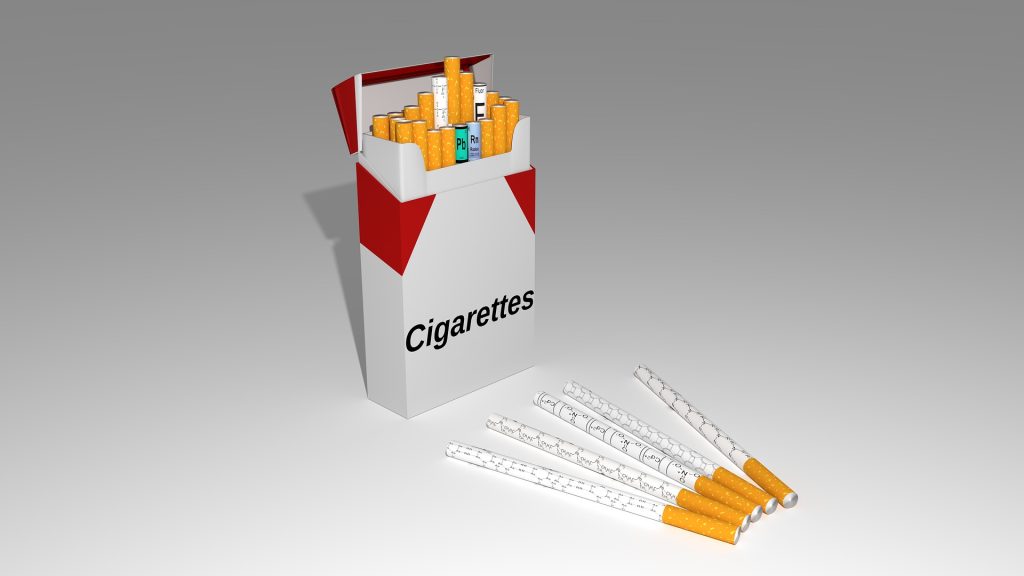
His story is not unique.
Many people think addiction happens only to “other people.” They imagine it affects those who are weak, irresponsible, or lacking discipline. The truth is more complicated.
Addiction often begins quietly, hidden behind curiosity, stress, loneliness, emotional pain, or the desire to belong.
Addiction often begins quietly, hidden behind curiosity, stress, loneliness, emotional pain, or the desire to belong.
The human brain is designed to repeat experiences that bring pleasure or relief. Certain substances interfere with this natural system, creating powerful cravings that become harder to resist over time. This is why addiction is not simply about poor choices; it is also about how repeated substance use changes the brain.
Understanding this should not make us excuse harmful behaviour, but it should make us replace judgment with compassion. People struggling with addiction need accountability, yes, but they also need understanding, support, and access to treatment.
If you have never used drugs or misused alcohol, don’t let anyone convince you that trying it “just once” carries no risk. No one can predict how their body or mind will respond. The safest decision is often the one you never have to regret.
And if you’re already struggling with addiction, please don’t believe the lie that your story is over. Recovery is possible. Many people have rebuilt their lives through professional treatment, family support, determination, and hope. Asking for help is not a sign of failure; it is one of the bravest decisions a person can make.
As we become more aware of mental health in Nigeria, let us also become more intentional about preventing addiction, supporting recovery, and creating communities where people can ask for help without fear of shame or rejection.
Because sometimes, the greatest act of courage is not saying, “I can handle it.”
It is saying, “I need help.”
🧭 Reflection Corner
Before you make a decision because everyone else is doing it, ask yourself: Will this choice bring me closer to the future I want, or take me further away from it
By Idoko Raymond Oogwu