

By Idoko Raymond Oogwu
“Sometimes, the person everyone depends on is the person who desperately needs someone to depend on.”
Everyone knows that person who seems to have everything under control.
When there is a problem, they are the first person others call. When someone needs encouragement, they are there. When their family needs help, they find a way.

They rarely complain. They rarely say, “I can’t do this anymore.”
But what happens when the person who is always strong becomes tired?
Sometimes, being strong becomes a role we feel we must constantly play. We convince ourselves that showing sadness is weakness, asking for help is failure, and admitting that we are struggling will disappoint the people who depend on us.
So we keep going.
We smile when we are hurting. We say “I’m fine” when we are not. We carry responsibilities while silently struggling with our own emotions.
- Is Anybody Listening?Dangote is Revealing Plans to Wean Africa from Aid
- FENRAD, HEDA Call For Probe Of Abia Pipeline Blast
- Debt Pressure Threatens Climate Action
- Rotary Club Pledges Hope Through Community Action
- Akweyatv Promote Language, Profile Influential Akweya Priest
The problem is that constantly suppressing difficult emotions does not make them disappear. They may eventually show themselves through irritability, withdrawal, poor sleep, loss of motivation, emotional exhaustion, or difficulty concentrating.
This does not mean that being strong is bad. Resilience is an important psychological strength. The problem begins when strength becomes the inability to admit that you need support.
Psychology Insight
From a psychological perspective, healthy emotional functioning does not mean being happy or strong all the time. Emotional well-being includes recognizing, understanding, and appropriately expressing difficult emotions. Seeking support can be a healthy coping strategy rather than a sign of weakness.
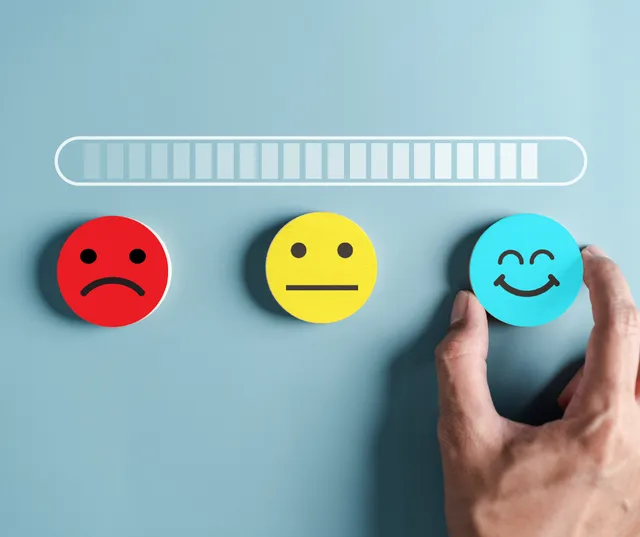
Sometimes, the strongest thing you can say is: “I need help.”
Talking to someone you trust can provide emotional relief and a different perspective. Setting boundaries can also protect you from carrying responsibilities that are beyond your capacity.
Rest is another important part of resilience. You cannot continuously give from an emotionally empty place and expect yourself to remain unaffected.
And if feelings of exhaustion, sadness, hopelessness, or anxiety persist and begin interfering with daily life, speaking with a mental health professional is an important step.
You don’t have to be everyone’s strength every day.
It is okay to have moments when you need someone to listen to you. It is okay to admit that something hurts. It is okay to rest.
Being vulnerable does not cancel your strength. Sometimes, vulnerability is part of strength.
Reflection Corner

When was the last time you allowed yourself to say, “I am not okay,” without feeling guilty about it?
“You don’t have to carry everything alone. Even strong people need a safe place to put down their burdens.