
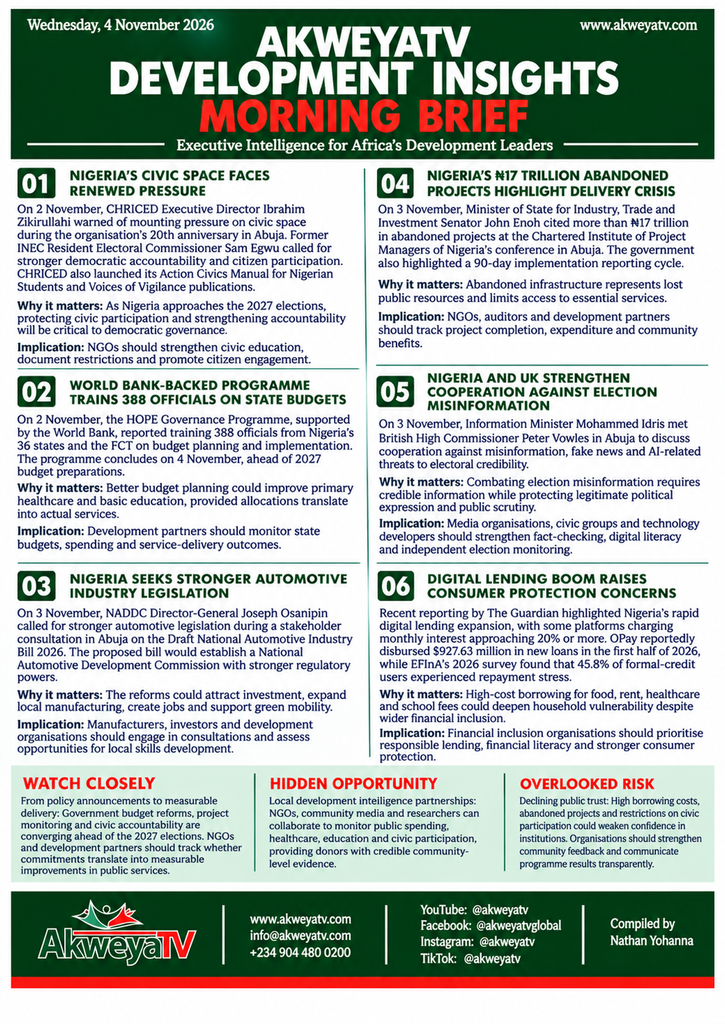
Nigeria’s Civic Space Faces Renewed Pressure
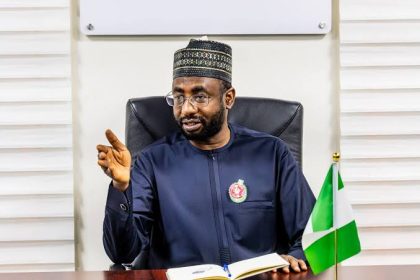
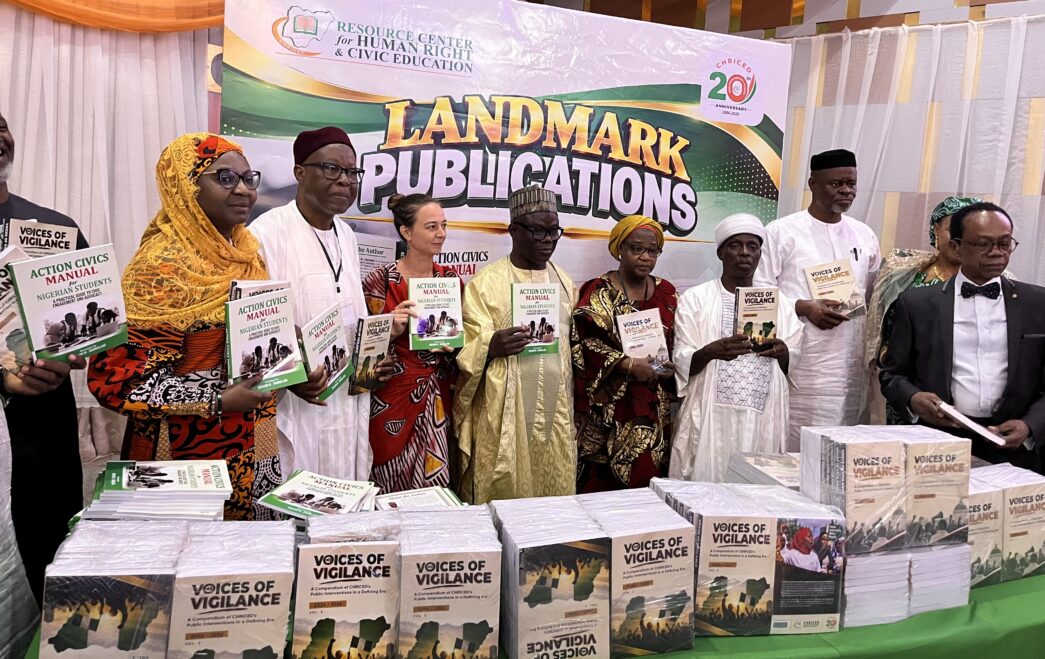
On 2 November, CHRICED Executive Director Ibrahim Zikirullahi warned of mounting pressure on civic space during the organisation’s 20th anniversary in Abuja. Former INEC Resident Electoral Commissioner Sam Egwu called for stronger democratic accountability and citizen participation. CHRICED also launched its Action Civics Manual for Nigerian Students and Voices of Vigilance publications.
- Nigeria’s Civic Space Faces Renewed Pressure
- World Bank-Backed Programme Trains 388 Officials on State Budgets
- Nigeria Seeks Stronger Automotive Industry Legislation
- Nigeria’s ₦17 Trillion Abandoned Projects Highlight Delivery Crisis
- Nigeria and UK Strengthen Cooperation Against Election Misinformation
- Digital Lending Boom Raises Consumer Protection Concerns
Why it matters: As Nigeria approaches the 2027 elections, protecting civic participation and strengthening accountability will be critical to democratic governance.
Implication: NGOs should strengthen civic education, document restrictions and promote citizen engagement.
World Bank-Backed Programme Trains 388 Officials on State Budgets
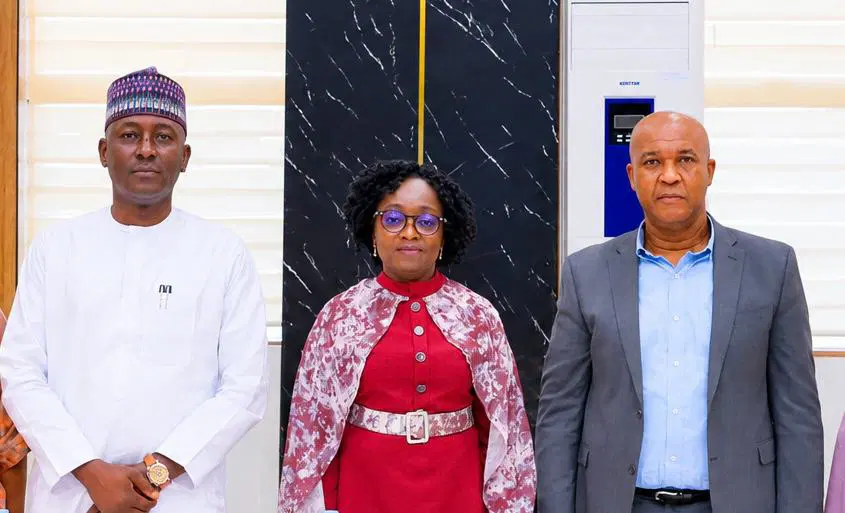
On 2 November, the HOPE Governance Programme, supported by the World Bank, reported training 388 officials from Nigeria’s 36 states and the FCT on budget planning and implementation. The programme concludes on 4 November, ahead of 2027 budget preparations.
Why it matters: Better budget planning could improve primary healthcare and basic education, provided allocations translate into actual services.
Implication: Development partners should monitor state budgets, spending and service-delivery outcomes.
Nigeria Seeks Stronger Automotive Industry Legislation
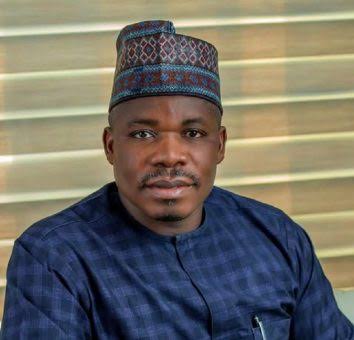
On 3 November, NADDC Director-General Joseph Osanipin called for stronger automotive legislation during a stakeholder consultation in Abuja on the Draft National Automotive Industry Bill 2026. The proposed bill would establish a National Automotive Development Commission with stronger regulatory powers.
Why it matters: The reforms could attract investment, expand local manufacturing, create jobs and support green mobility.
- Bukar Usman Makes Powerful Appeal to Nigerian Writers
- DEVELOPMENT INSIGHTS MORNING 4 NOVEMBER, 2026
- Awele Ilusanmi Foundation Offers ₦1.5m To Encourage Reading
- Remembering Francis Duru and His Love for Akweya
- DEVELOPMENT INSIGHTS MORNING BRIEF, 3 NOVEMBER 2026
Implication: Manufacturers, investors and development organisations should engage in consultations and assess opportunities for local skills development.
Nigeria’s ₦17 Trillion Abandoned Projects Highlight Delivery Crisis
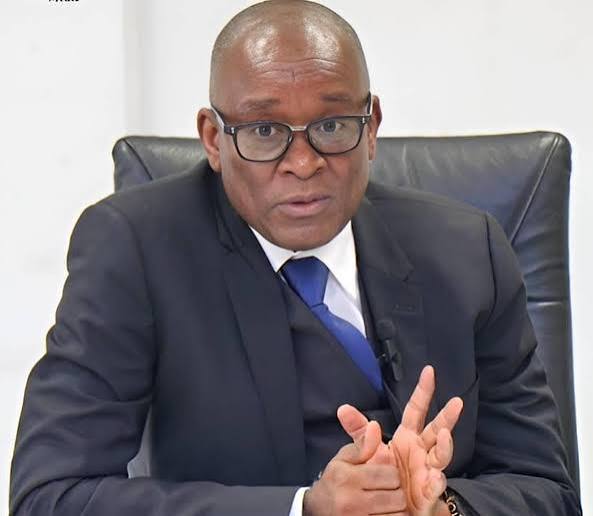
On 3 November, Minister of State for Industry, Trade and Investment Senator John Enoh cited more than ₦17 trillion in abandoned projects at the Chartered Institute of Project Managers of Nigeria’s conference in Abuja. The government also highlighted a 90-day implementation reporting cycle.
Why it matters: Abandoned infrastructure represents lost public resources and limits access to essential services.
Implication: NGOs, auditors and development partners should track project completion, expenditure and community benefits.
Nigeria and UK Strengthen Cooperation Against Election Misinformation
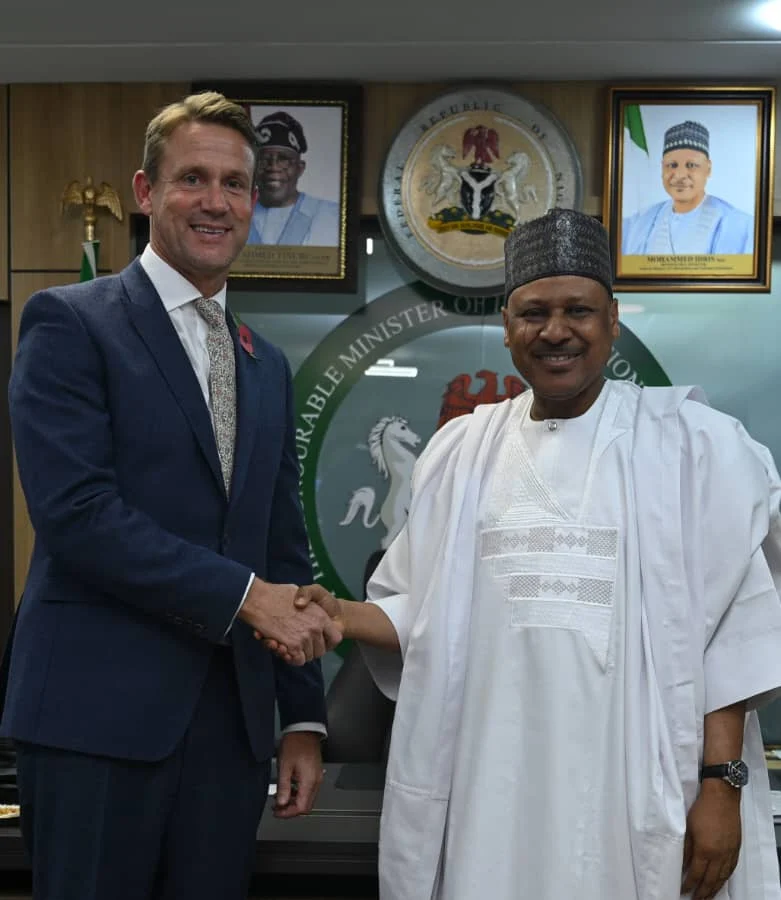
On 3 November, Information Minister Mohammed Idris met British High Commissioner Peter Vowles in Abuja to discuss cooperation against misinformation, fake news and AI-related threats to electoral credibility.
Why it matters: Combating election misinformation requires credible information while protecting legitimate political expression and public scrutiny.
Implication: Media organisations, civic groups and technology developers should strengthen fact-checking, digital literacy and independent election monitoring.
Digital Lending Boom Raises Consumer Protection Concerns
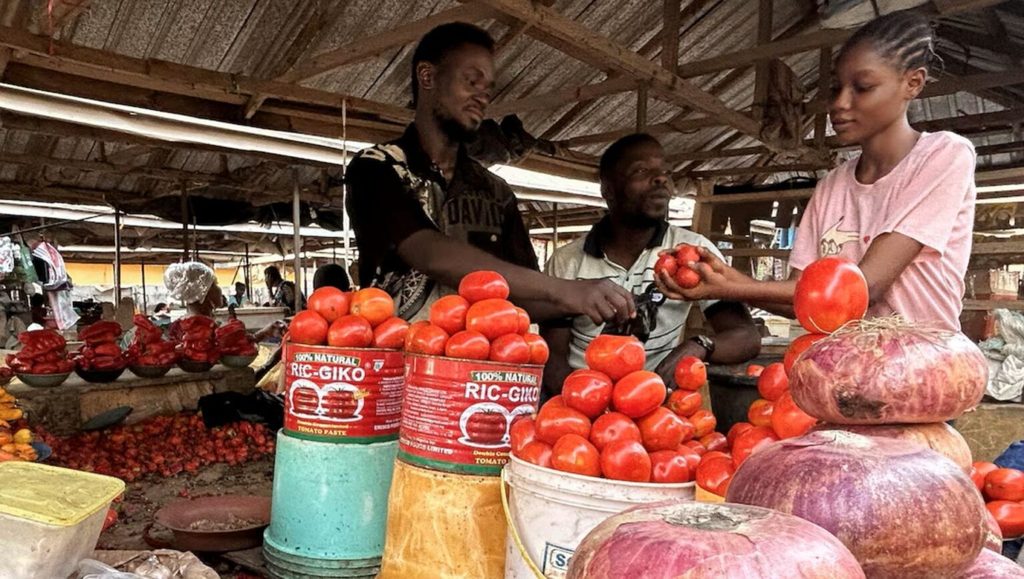
Recent reporting by The Guardian highlighted Nigeria’s rapid digital lending expansion, with some platforms charging monthly interest approaching 20% or more. OPay reportedly disbursed $927.63 million in new loans in the first half of 2026, while EFInA’s 2026 survey found that 45.8% of formal-credit users experienced repayment stress.
Why it matters: High-cost borrowing for food, rent, healthcare and school fees could deepen household vulnerability despite wider financial inclusion.
Implication: Financial inclusion organisations should prioritise responsible lending, financial literacy and stronger consumer protection.
WATCH CLOSELY
From policy announcements to measurable delivery: Government budget reforms, project monitoring and civic accountability are converging ahead of the 2027 elections. NGOs and development partners should track whether commitments translate into measurable improvements in public services.
HIDDEN OPPORTUNITY
Local development intelligence partnerships: NGOs, community media and researchers can collaborate to monitor public spending, healthcare, education and civic participation, providing donors with credible community-level evidence.
OVERLOOKED RISK
Declining public trust: High borrowing costs, abandoned projects and restrictions on civic participation could weaken confidence in institutions. Organisations should strengthen community feedback and communicate programme results transparently.
Compiled by Nathan Yohannna
For more inquiries:
Website: www.akweyatv.com
Email: info@akweyatv.com
Phone number: +234 904 480 0200
YouTube: @akweyatv
Facebook: @akweyatvglobal
Instagram: @akweyatv
TikTok: @akweyatv