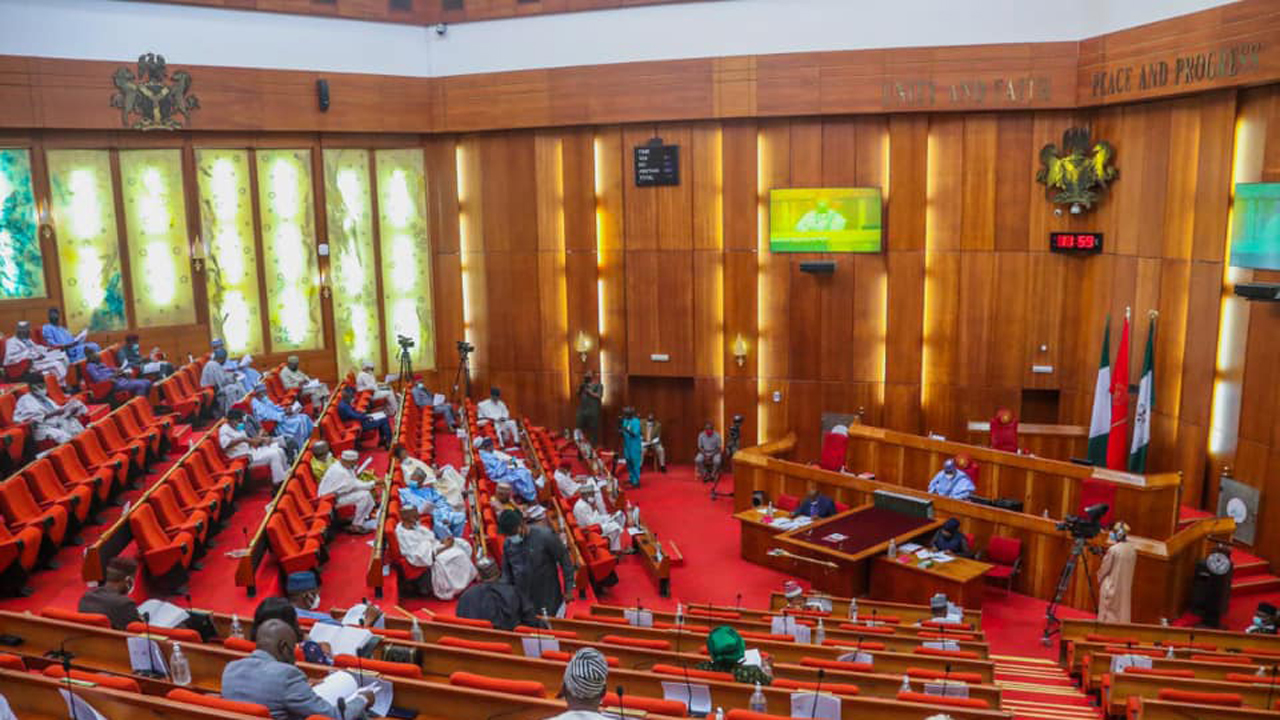

More than 90 Nigerian, African and international civil society organisations have called on the National Assembly to immediately withdraw the proposed Foreign Aid (Regulation, Coordination, Transparency and Disclosure) Bill, 2026, warning that the legislation poses a serious threat to democracy, constitutional freedoms and the country’s shrinking civic space.
- This Is More Than Just One Bill
- Why the Bill Is Sparking Concern
- Existing Agencies Already Perform These Functions
- Groups Reject Social Media Office Bill
- Coalition Cites Constitutional, International Law Violations
- Concerns Over Rising Pressure on Civic Space
- Foreign Aid Supports Critical Public Interest Work
- National Assembly Faces a Constitutional Test
The coalition, led by the Civil Society Legislative Advocacy Centre (CISLAC), said the bill would grant the Federal Government excessive control over civil society organisations, independent media and foreign-funded development projects under the guise of improving transparency.
The demand was contained in a joint statement issued in Abuja and endorsed by leading organisations including Amnesty International Nigeria, the Socio Economic Rights and Accountability Project (SERAP), BudgIT Foundation, ActionAid Nigeria, Yiaga Africa, the Centre for Democracy and Development (CDD), Media Rights Agenda, the International Press Centre (IPC), CLEEN Foundation, Transition Monitoring Group (TMG), the Wole Soyinka Centre for Investigative Journalism (WSCIJ), the Centre for Journalism Innovation and Development (CJID), and several other civic groups.
The organisations also called for the withdrawal of other pending bills they described as repressive, warning that they could further weaken democratic governance ahead of the 2027 general elections.
This Is More Than Just One Bill
Addressing journalists, CISLAC Executive Director, Musa Rafsanjani, said the proposed legislation should not be viewed in isolation but as part of a broader pattern of policies that restrict civic freedoms.
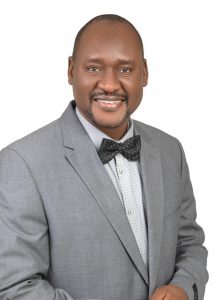
He accused the administration of President Bola Tinubu of creating an increasingly hostile environment for civil society through arbitrary arrests, politically motivated prosecutions, judicial intimidation and restrictive legislative proposals since assuming office in May 2023.
“The controversial bills should not be viewed as isolated legislative efforts but as part of a wider pattern aimed at tightening executive control over public discourse and weakening democratic accountability,“
Why the Bill Is Sparking Concern
At the heart of the controversy is Senate Bill 1034, sponsored by Senator Ibrahim Hassan Dankwambo, which proposes the establishment of a Foreign Aid Regulatory Commission to oversee all foreign grants, donations, technical assistance and development funding received in Nigeria.
Under the proposed law, government agencies, non-governmental organisations, civil society organisations and other recipients of foreign aid would be required to register with the commission, publicly disclose project details, integrate donor-funded programmes into government budgets and comply with regulatory oversight.
The bill also prescribes sanctions for fund diversion, false disclosures and implementing projects without official approval.
However, the coalition argued that the proposal extends far beyond ensuring transparency and instead creates a legal framework capable of placing independent organisations under direct government control.
Existing Agencies Already Perform These Functions
Musa Rafsanjani said the powers proposed for the commission including registering organisations, conducting inspections, demanding information and imposing sanctions are already being exercised by existing government institutions.
According to him, agencies such as the Corporate Affairs Commission (CAC), the Economic and Financial Crimes Commission (EFCC) and the Special Control Unit Against Money Laundering (SCUML) already regulate financial reporting, corporate compliance and anti-money laundering obligations.
He warned that the new commission could criminalise organisations that fail to register, force donor funded programmes to align with government priorities and expose civil society groups to severe administrative sanctions, imprisonment and even the loss of their operating licences.
Groups Reject Social Media Office Bill
Beyond the foreign aid proposal, the coalition also criticised another pending bill that would require social media companies to establish physical offices in Nigeria before operating in the country.
The organisations argued that such a requirement could increase government influence over digital platforms that citizens rely on for public debate, civic engagement and investigative journalism.
They warned that compelling technology companies to maintain local offices could encourage censorship, discourage innovation and investment, and pressure online platforms to prioritise political interests over internationally recognised human rights standards.
Coalition Cites Constitutional, International Law Violations
The coalition maintained that the proposed bills violate Sections 39 and 40 of the 1999 Constitution, which guarantee freedom of expression, peaceful assembly and association, as well as Section 22, which assigns the media the responsibility of holding government accountable.
The organisations also argued that the bills conflict with Nigeria’s obligations under international treaties, including the African Charter on Human and Peoples’ Rights, the International Covenant on Civil and Political Rights (ICCPR) and the International Covenant on Economic, Social and Cultural Rights (ICESCR).
Concerns Over Rising Pressure on Civic Space
The coalition pointed to what it described as growing attacks on civic freedoms, citing the continued prosecution of human rights activist Omoyele Sowore, alleged reprisals against SERAP and the increasing use of the Cybercrimes Act against journalists, bloggers and government critics.
It also referenced a May 2026 report by the Committee to Protect Journalists (CPJ), which documented 91 cases of journalists allegedly arrested, attacked or harassed across 13 states and the Federal Capital Territory during the first three years of the Tinubu administration.
Foreign Aid Supports Critical Public Interest Work
The organisations stressed that international development assistance remains a lifeline for many Nigerian organisations working in election observation, humanitarian response, anti-corruption advocacy, legal aid, human rights monitoring and public interest litigation.
They insisted that such partnerships represent legitimate international cooperation rather than foreign interference and warned that excessive regulation could undermine years of development progress.
National Assembly Faces a Constitutional Test
The coalition called on the Senate President, the Speaker of the House of Representatives and lawmakers in both chambers to withdraw the proposed bills and engage in broad consultations with stakeholders before introducing legislation affecting civic freedoms.
Musa Rafsanjani said lawmakers now have a historic responsibility to choose between strengthening democracy or expanding executive control.
“The National Assembly now faces a defining constitutional choice. It can enact legislation that expands executive control, shrinks civic space and accelerates democratic decline, or it can uphold the Constitution and reaffirm Nigeria’s commitment to democratic governance, accountability and the rule of law,”