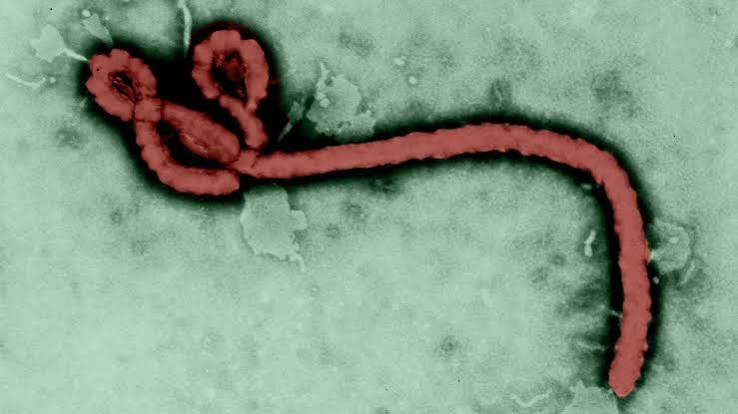

Nigeria is investigating how a 42-year-old woman, the wife of a Swiss diplomat based in Abuja, contracted Ebola after testing positive on October 20, 2026, following travel to Uganda. The investigation comes amid conflicting accounts of her travel history, with health authorities yet to establish whether she visited the Democratic Republic of the Congo, where the Bundibugyo Ebola outbreak was first reported in May.
Conflicting Accounts Over Travel History
Ugandan officials said the woman travelled to eastern Democratic Republic of the Congo before passing through Uganda. However, the World Health Organisation (WHO) and the Africa Centres for Disease Control and Prevention said they had not received verified information confirming the reported visit.
- Swiss Diplomat’s Wife Tests Positive For Ebola In Nigeria
- Farida Isiak Case Raises Press Freedom Concerns
- ISDEVCOM Delegation Pays Condolence Visit To Family Of Late Francis Duru
- Clement Nwankwo’s Fight For Human Rights And Democracy
- AEDC Announces Three-Day Power Disruption In Parts Of Abuja
Wessam Mankoula, an Africa CDC official, said Nigeria and Uganda were sharing information to reconstruct the woman’s movements and determine where she might have been exposed.
“So far, there is no validated information that this case traveled to DRC (Democratic Republic of Congo),” Mankoula said during an online press conference on Thursday.
Patient Remains Hospitalised
According to WHO representative in Nigeria, Pavel Ursu, the woman returned to Abuja on October 3 after being in Uganda from September 16.
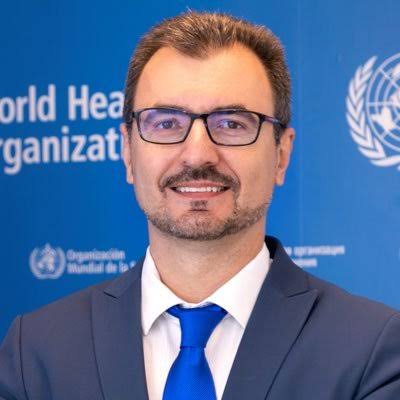
Ursu said she remained hospitalised, although her biochemical markers were improving. The Swiss government also disclosed that she had spent about a week at a private clinic in Abuja with symptoms before receiving her diagnosis.
In a statement to Reuters, Switzerland’s Federal Department of Foreign Affairs said the woman was believed to have contracted the virus during her trip to Uganda.
Husband Placed In Isolation
The woman’s husband, who travelled with her, has been isolated but has not developed symptoms, according to the Swiss government.
Meanwhile, WHO emergency response manager Patrick Otim said investigators were working to establish the source of the infection and identify the health facilities the woman visited after developing symptoms but before she was hospitalised.

Nigerian authorities have described the case as the country’s first confirmed Ebola infection in more than a decade. The virus spreads through direct contact with the bodily fluids of infected people, including those who have died from the disease.