
In a major push to save more mothers and newborns, the Federal Government has challenged states struggling with poor maternal health records to develop urgent, fully costed recovery plans as part of their 2027 health operational plans.
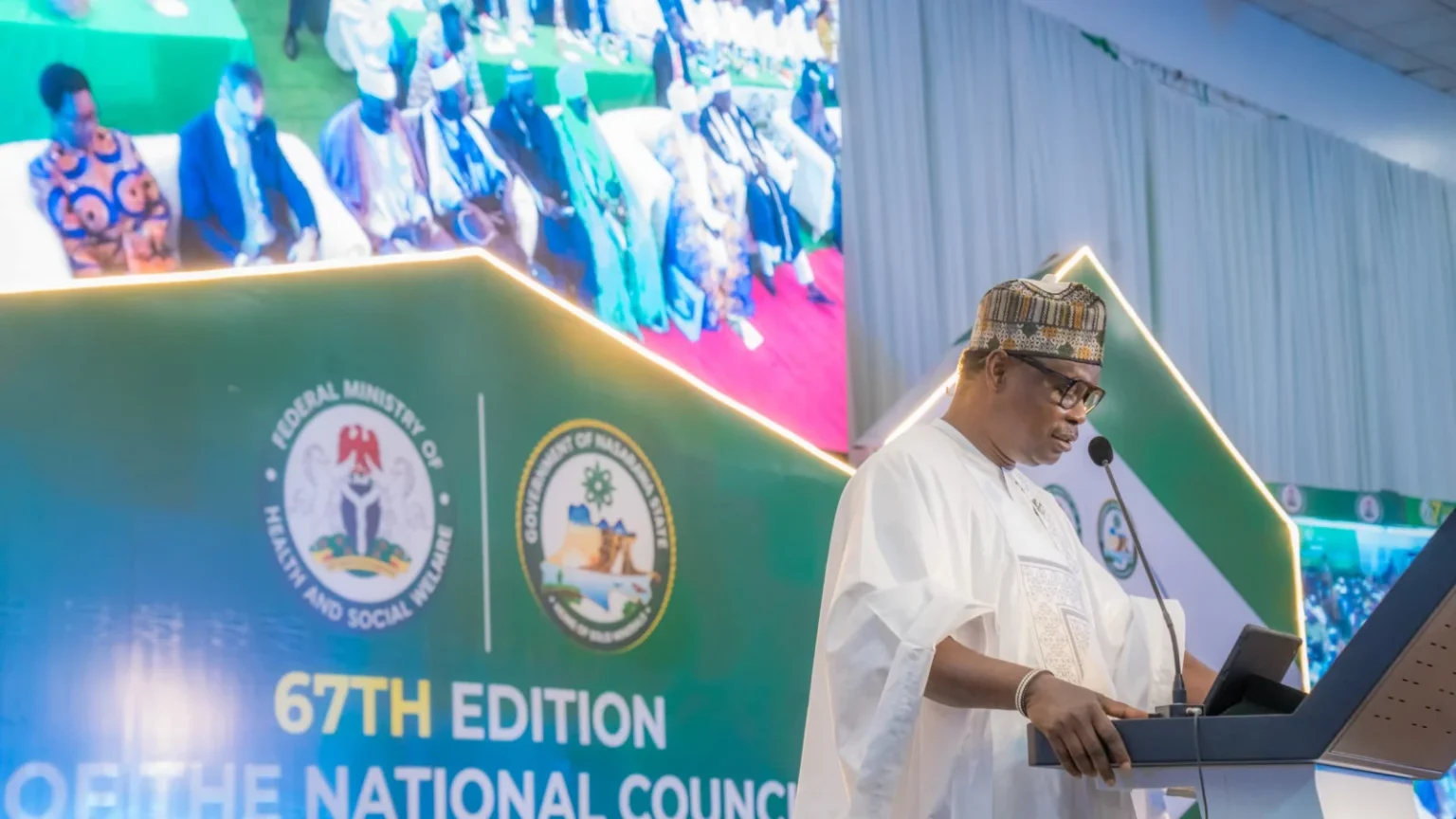
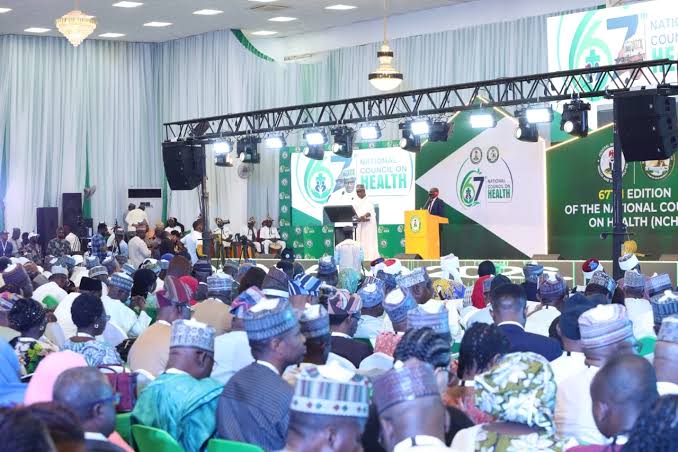
The Minister of State for Health and Social Welfare, Dr Iziaq Salako, gave the directive on Friday, November 20, 2026, during the opening of the 67th Regular Session of the National Council on Health (NCH) in Lafia, Nasarawa State.
Salako specifically directed states recording less than 50 per cent coverage of four antenatal care visits, or experiencing rising numbers of children who have not received any routine vaccination, known as zero-dose children, to develop practical recovery plans with clearly defined budgets.
“Each state below 50 per cent on four antenatal visits or with rising zero dose children must provide a costed recovery plan in its 2027 operational plan,” he said.
The directive is part of the Federal Government’s broader effort to turn healthcare commitments into measurable improvements, particularly in maternal and newborn survival.
At the meeting, themed “From Commitments to Results: Delivering Quality and Equitable Healthcare for All Nigerians,” the minister also called for stronger accountability in the implementation of health sector decisions.
- FG Pushes States Towards Safer Motherhood
- Over 425 People Pack Somaliland Film Screening
- African Films Set For Historic 21-Nation Showcase
- DEVELOPMENT INSIGHTS MORNING BRIEF, 20 November 2026
- Pharmacist JahLove Wins Gospel Reggae Award
He urged the council to increase the implementation rate of its resolutions from the current 75 per cent to at least 90 per cent, with progress to be assessed during the next Joint Annual Review.
In another significant development, Salako called for the expansion of Basic Emergency Obstetric and Newborn Care (BEmONC) facilities and the Maternal and Neonatal Mortality Reduction Innovation Initiative (MAMII) to all 774 local government areas from 2027.
He also urged state governments to accelerate healthcare funding towards the 15 per cent Abuja Declaration target, ensure timely budget releases and develop properly funded strategies for recruiting and retaining healthcare workers.
According to the minister, Nigeria has recorded progress through the revitalisation of thousands of primary healthcare centres, recruitment and training of frontline health workers, expanded health financing and improvements in digital health, local pharmaceutical manufacturing and health insurance.
However, he stressed that sustaining these achievements would require reliable electricity, essential medicines, functional equipment, adequate staffing and accountable financing that reaches communities.
The World Health Organization (WHO) Country Representative, Dr Pavel Ursu, welcomed the push for stronger implementation, emphasising that healthcare success should be measured by lives saved and improved access to quality services rather than policies and projects alone.
He called for sustained political commitment, domestic financing and improved access to healthcare for vulnerable and underserved populations.
Similarly, the Head of Health Civil Society Organisations, Dr Muhammad Lecky, urged greater citizen participation and accountability to ensure that health reforms produce meaningful results at the grassroots.
With the proposed expansion of maternal healthcare interventions across all 774 local government areas, the Federal Government’s latest directive presents an important opportunity to strengthen healthcare delivery and reduce preventable maternal and newborn deaths across Nigeria.