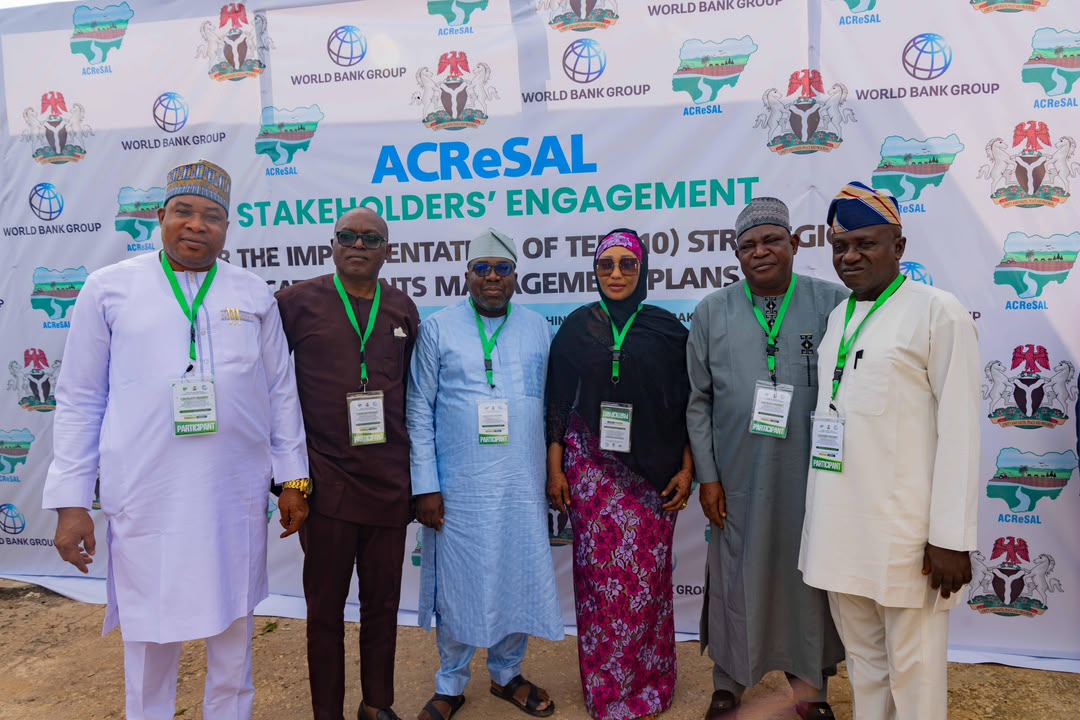

Nigeria’s fight against environmental degradation is entering a decisive phase as the Federal Government and the World Bank push for stronger state-level commitment to turn 20 Strategic Catchment Management Plans into practical interventions capable of delivering lasting results.
The renewed drive emerged during a high-level stakeholder engagement convened by the Agro-Climatic Resilience in Semi-Arid Landscapes (ACReSAL) project at Crispan Hotel in Jos, Plateau State. The meeting marked the conclusion of implementation-focused consultations for the remaining 10 strategic catchments, following the completion of similar engagements for the first 10.

The initiative covers 20 strategic catchments across 20 participating states, creating opportunities for governments and institutions to coordinate environmental investments across state boundaries rather than approach shared challenges in isolation.
The catchments considered during the final consultation phase are Aloma-Konshisha, Lokoja-Niger, Oshin-Oyi, Gurara-Gbako, Melinda, Kaduna-Mairiga, Golbin-Ka, Sokoto-Zamfara, Sarkin-Pawa-Kaduna and Rima.
Speaking at the workshop, ACReSAL Task Team Leader and World Bank Senior Environment Specialist, Dr. Iganya Joy Agene, emphasized that completing the technical plans would not be enough without active ownership by the institutions expected to implement them.
She urged relevant ministries, departments and agencies, state governments, development partners and local communities to integrate the plans into their policies, routine operations and budgets. According to her, environmental management must become a shared development responsibility rather than remain dependent on ACReSAL alone.
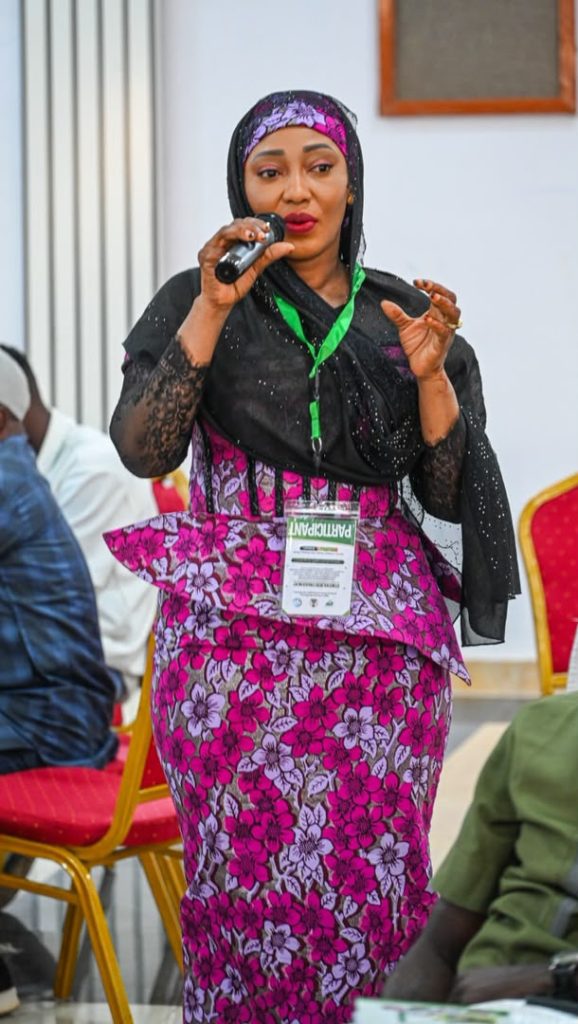
Representing National Project Coordinator Abdulhamid Umar, Water Resources Management Specialist Shettima Admas outlined the next steps towards implementation. He explained that stakeholders would collectively review the proposed investments, select priority interventions and agree on a pathway that balances feasibility, sustainability and available resources.
The plans are designed to provide scientifically grounded responses to land degradation, soil erosion, flooding, drought, biodiversity loss and declining ecosystem productivity. However, translating these recommendations into physical projects requires clear priorities, coordinated financing and firm commitments from participating states.
To support this transition, the selected interventions will be presented at high-level dialogues with the think-tanks and advisory teams of state governors before physical investments commence. The engagements are expected to help secure formal policy endorsement, align proposed activities with state development budgets, mobilize counterpart funding and strengthen institutional continuity beyond the project’s lifespan.
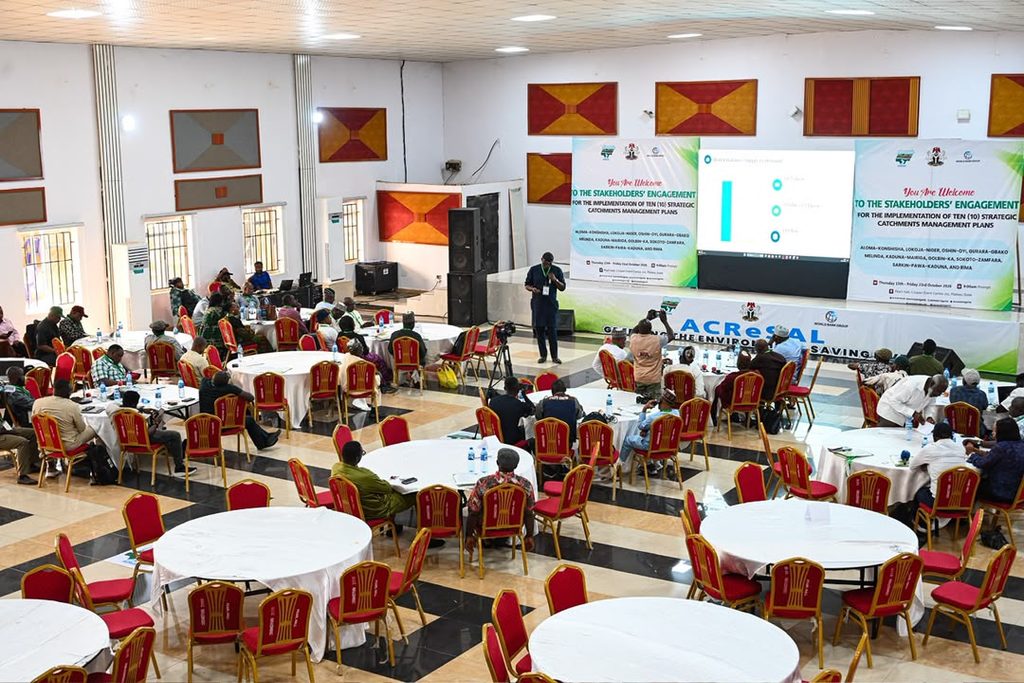
Participants at the Jos sessions included federal and state government agencies, River Basin Development Authorities, traditional institutions, academics, civil society organizations, development partners and newly integrated youth focal persons.
Their participation highlights the broad partnership required to coordinate environmental management across Nigeria’s diverse landscapes. By bringing technical expertise, public institutions and local perspectives together, the process offers an opportunity to connect environmental protection with economic development and community needs.
- ACReSAL Unites States To Transform Environmental Plans
- Kogi Police Boost Security Ahead Of Elections
- Kogi Election Preparations Reach Major Milestone
- DEVELOPMENT INSIGHTS MORNING BRIEF, 16 OCTOBER 2026
- Nigeria Rejects UN Budget Cuts Over Development, Peacekeeping
The successful implementation of the plans will depend on what happens after the consultations: whether governments allocate resources, institutions coordinate their activities and communities remain involved in decisions affecting their environments.
As ACReSAL and the World Bank press for urgent stakeholder ownership, the challenge now is to transform validated plans into measurable action that restores damaged landscapes, reduces climate-related risks and protects livelihoods.