


We talk a lot about improving maternal and child health in Nigeria.
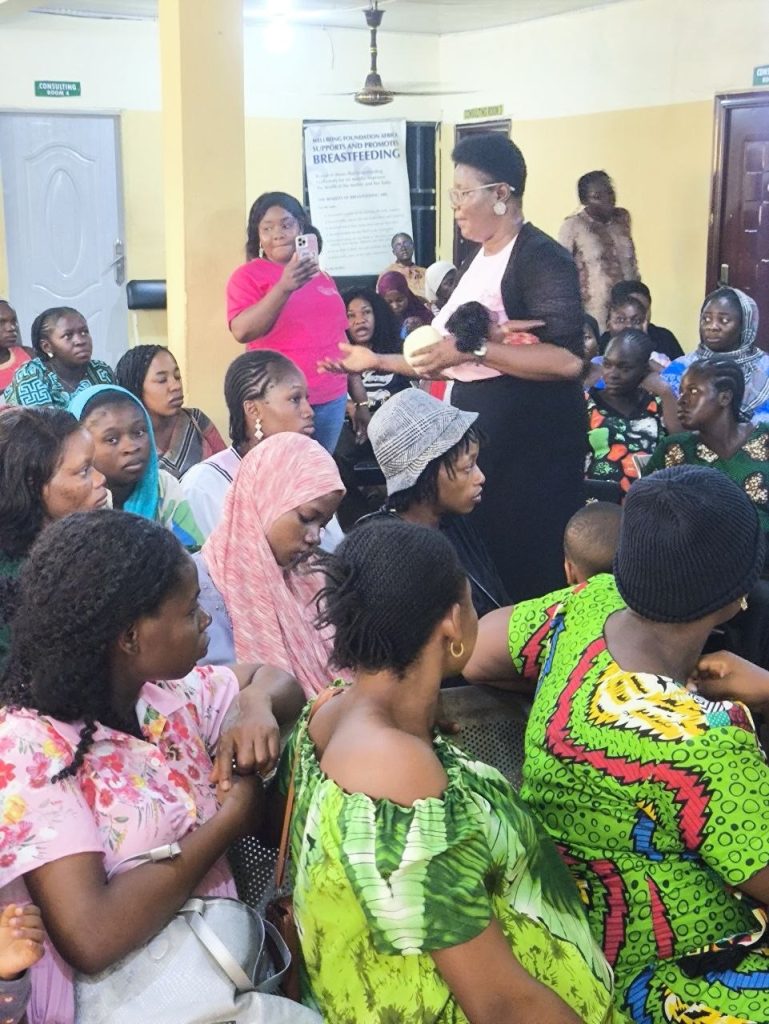
But one critical piece of the conversation is still missing: structured breastfeeding support, says Eunice Benu, Executive Director at Maternal Health & Digital Breastfeeding Support Platform (popularly known as Milky Mommas) and a Certified Breastfeeding Specialist.
When Breastfeeding Becomes a Personal Struggle
In an interview with AkweyaTV Benu shares her experience, third one at motherhood and what inspired her to create awareness, For many mothers, breastfeeding starts as a hopeful experience. But when challenges arise,pain, low milk supply, poor latch there is often nowhere to turn she says.
I have worked with mothers who were determined to breastfeed, but simply did not have the guidance they needed. And I have been in that position myself.
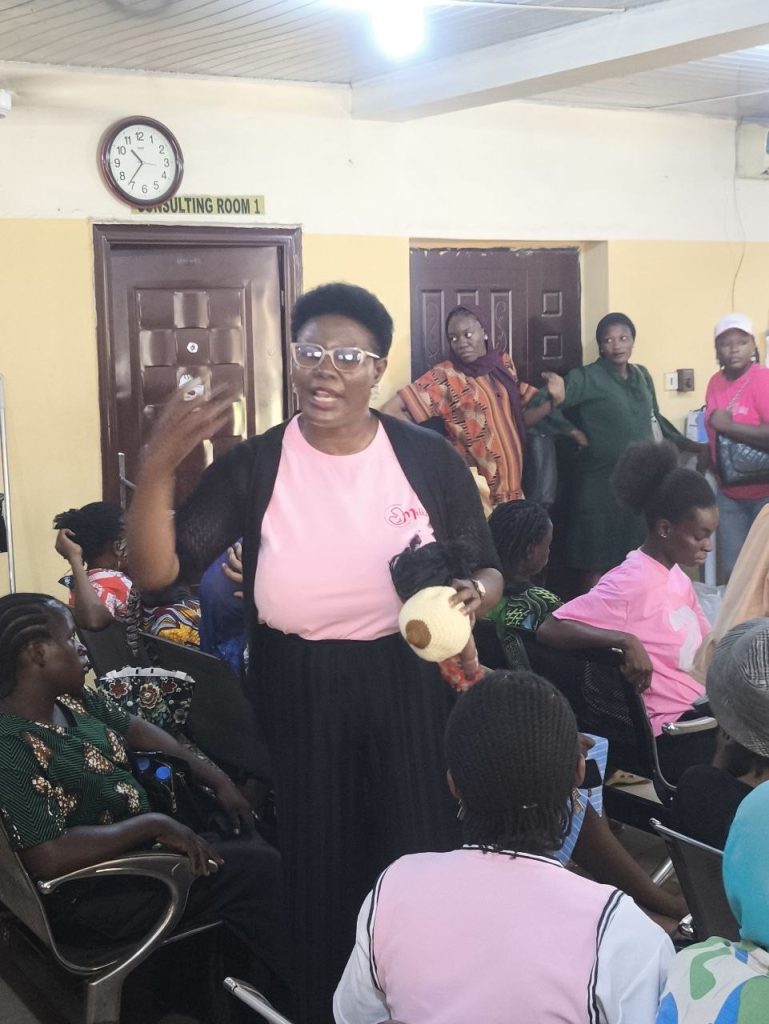
When I fell ill after the birth of my third child and had to be away for a few days, there was no system in place to protect my breastfeeding journey. No lactation plan. No structured support.
I returned to a completely different reality.
That moment changed my understanding of maternal care.
The Gap in the System
In many healthcare settings, the focus is understandably on the baby weight, feeding, immunization.
But what about the mother?
Who is supporting her when breastfeeding becomes painful?
Who is guiding her when she feels unsure?
Who is helping her maintain her supply during disruptions?
In most cases, the answer is: no one, she added.
Why This Matters More Than We Think
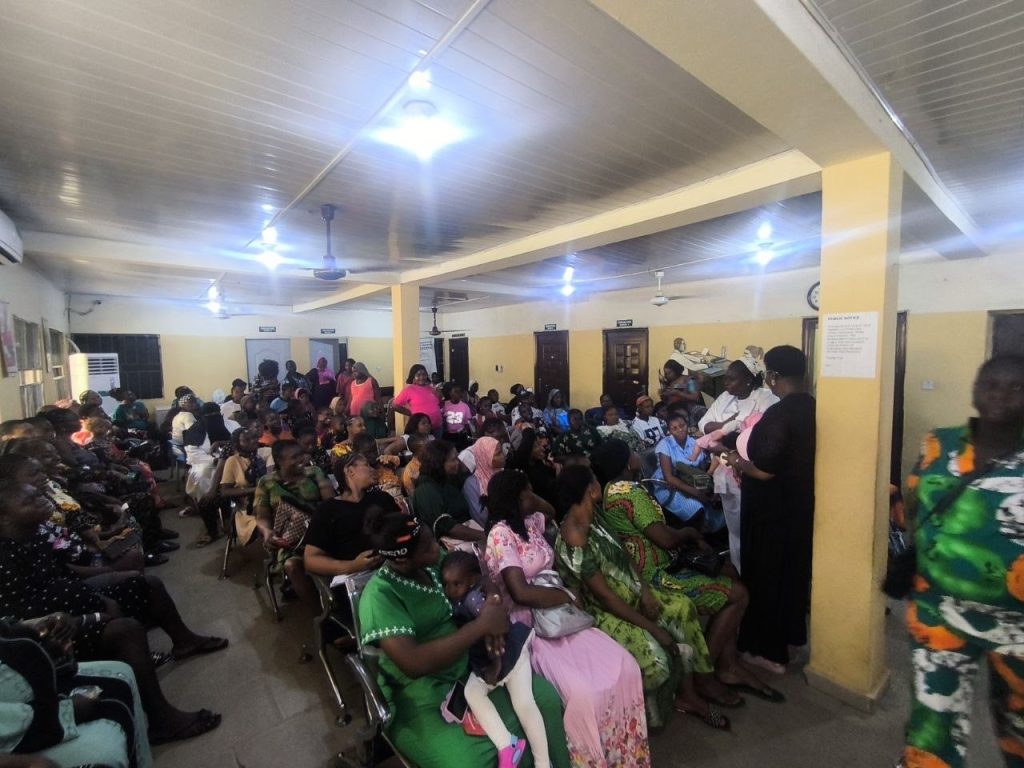
Breastfeeding is not just a personal choice it is a public health issue.
When mothers stop breastfeeding early due to lack of support, it affects:
infant nutrition
maternal health
healthcare outcomes
But beyond that, it affects confidence.
I have seen mothers feel like they have failed, when in reality, they were never given the support they needed to succeed.
What Support Should Look Like
If we want to improve outcomes, breastfeeding support must be built into the healthcare system.
This means:
access to trained lactation professionals
structured follow-up care after birth
education before and after delivery
integration of maternal mental health support
Breastfeeding should not be left to chance.
Moving From Awareness to Action
We have done well to promote breastfeeding as important. Now we must do better in supporting mothers through the reality of it, because telling mothers to breastfeed is not enough. We must equip them, guide them, and stand with them especially when it becomes difficult.
“Breastfeeding support should not be optional”.
“It should be a standard” she concluded.



