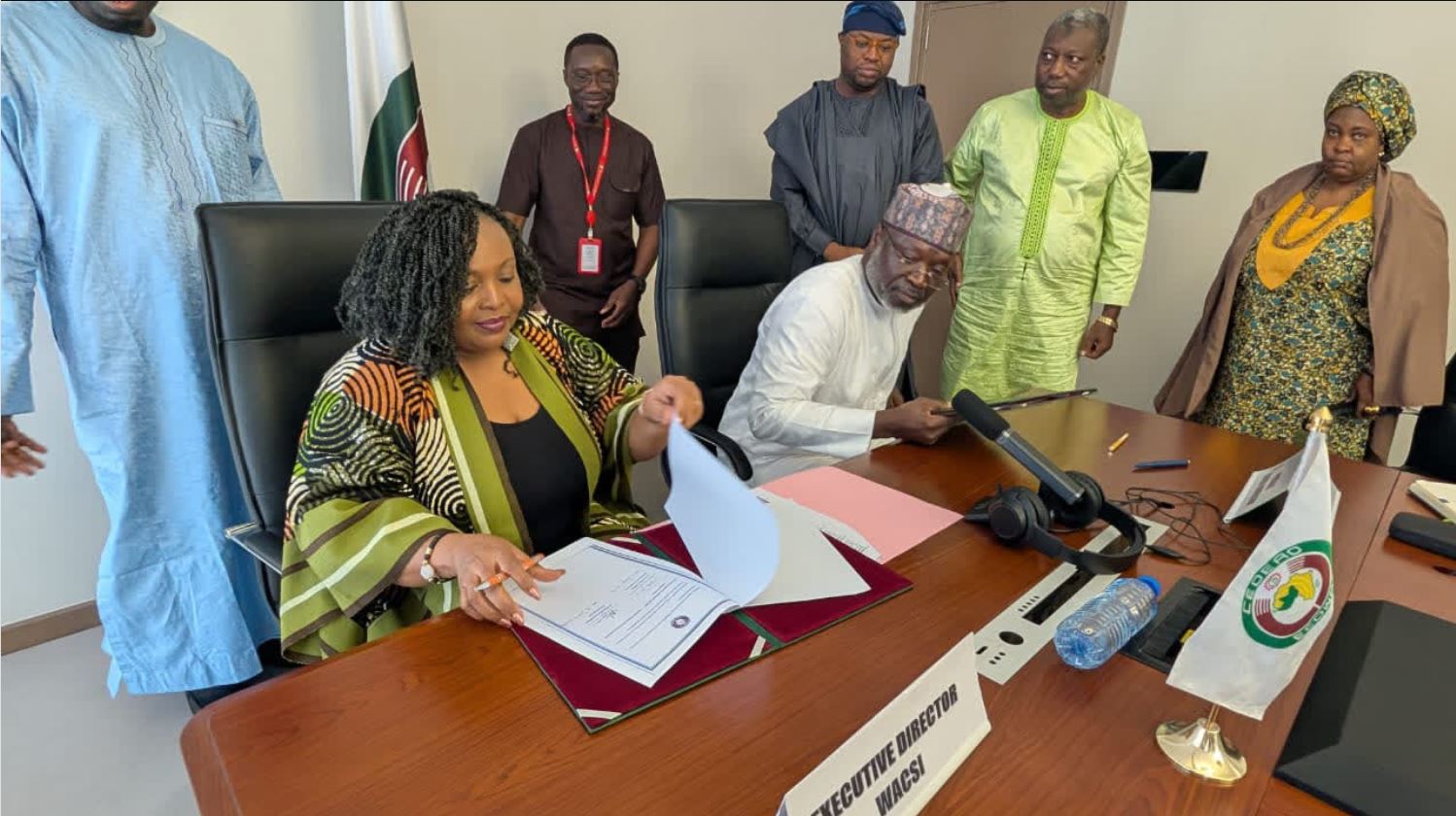

The Economic Community of West African States (ECOWAS) Commission and the West Africa Civil Society Institute (WACSI) have signed a five-year Memorandum of Understanding (MoU) aimed at deepening civil society participation in regional governance and advancing West Africa’s development agenda.
The agreement was signed on Friday, July 3, 2026, in Abuja by Omar Alieu Touray and Nana Asantewa Afadzinu in the presence of senior officials from both institutions.
The partnership establishes a strategic framework for cooperation across eight key areas, including strengthening the institutional and technical capacity of civil society organisations, promoting policy dialogue and advocacy, enhancing research and knowledge generation, improving citizen awareness and communications, supporting cross-sector coordination, providing technical assistance to the ECOWAS Economic, Social and Cultural Council (ECOSOCC), and strengthening monitoring, evaluation and learning systems.
The agreement is expected to reinforce the long-standing relationship between ECOWAS and WACSI while supporting the implementation of the regional bloc’s Vision 2050, which seeks to build an “ECOWAS of the Peoples: Peace and Prosperity for All.”
According to ECOWAS, the partnership reflects its commitment to institutionalising civil society engagement through ECOSOCC and creating more inclusive, participatory and accountable spaces that allow citizens to contribute meaningfully to regional integration.
Speaking during the signing ceremony, Dr. Afadzinu said WACSI’s vision of a peaceful, secure and prosperous West Africa driven by its people aligns closely with that of ECOWAS.
“The people’s element is what drives us. Engaging us in this manner and wanting to deepen this relationship shows ECOWAS’ commitment to engaging with the people in addressing the issues affecting this region,” Dr. Afadzinu said.
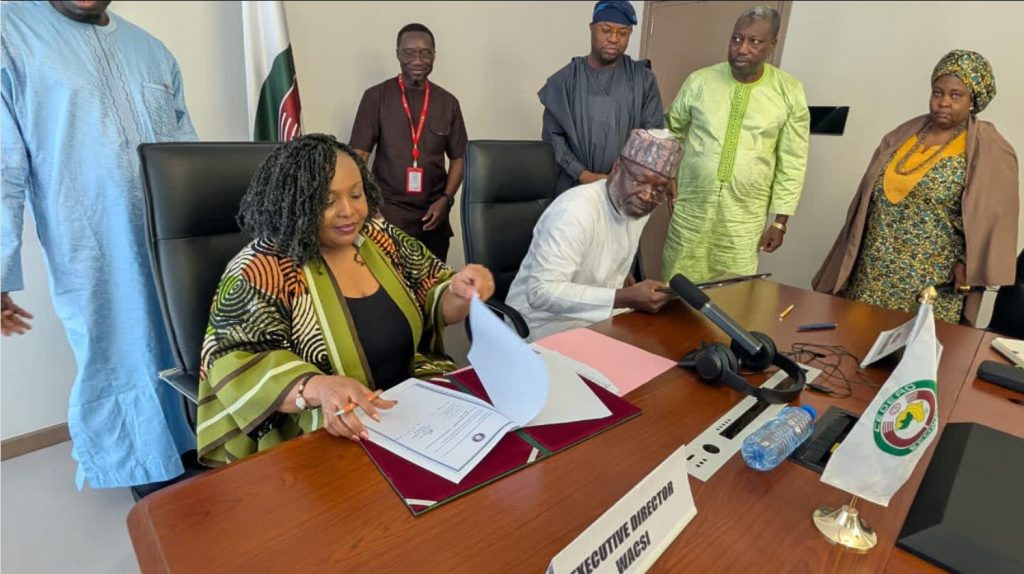
She added that the agreement strengthens the relationship between ECOWAS and civil society organisations by providing WACSI with a broader mandate to facilitate engagement between citizens and regional institutions.
“What this MoU does is really strengthen that bond and gives us, with the blessing of ECOWAS, a mandate to bring civil society closer to an institution that we truly believe in,” she said.
President of the ECOWAS Commission, Dr. Touray, said the agreement comes at a critical time when West Africa faces shrinking civic space, unconstitutional changes of government and growing socio-economic challenges.
“These challenges demand stronger partnerships, innovative approaches and coordinated responses that draw on the comparative strengths of governments, regional institutions and civil society,” he said.
Describing the Memorandum of Understanding as more than a formal agreement, Dr. Touray said it represents “a shared commitment to partnership, dialogue and collective action in pursuit of a peaceful, democratic, prosperous and resilient West Africa.”
The new partnership is expected to strengthen collaboration between ECOWAS and civil society organisations across the region, ensuring that citizens play a more central role in shaping policies and driving sustainable development in West Africa.