


A breakthrough rooted in Nigerian medicinal plants
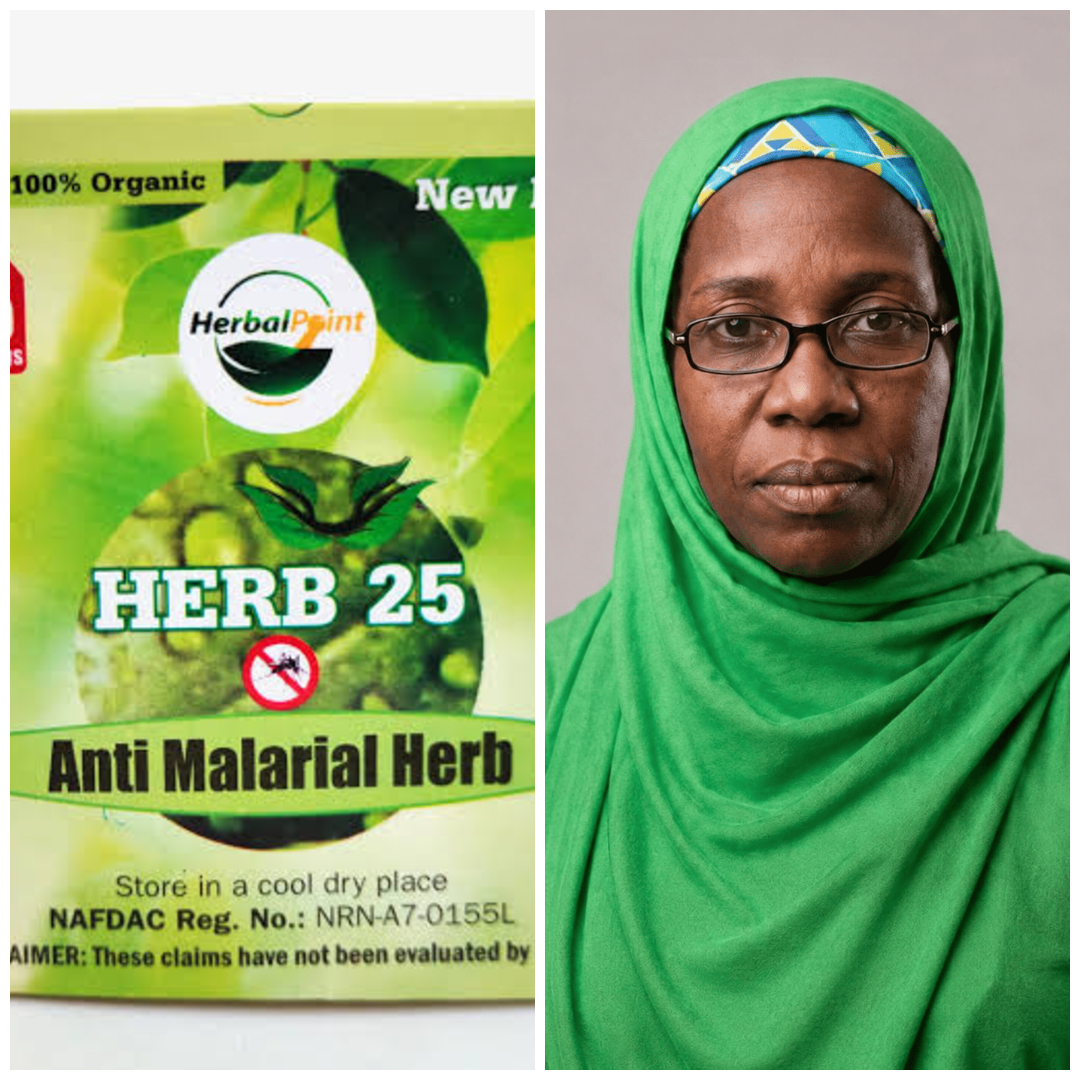
For more than a decade, Professor Hadiza Nuhu dedicated her career to finding a locally developed solution to one of Nigeria’s deadliest diseases—malaria. Her persistence paid off with the development of Herb 25, an anti-malaria herbal medicine designed to combat chloroquine-resistant malaria using indigenous medicinal plants.
The Nigerian pharmacist, researcher and herbal medicine expert spent 12 years researching traditional herbal remedies before successfully formulating the drug, which is now regarded as a landmark achievement in Nigeria’s pharmaceutical research.
A simple herbal tea with life-saving potential
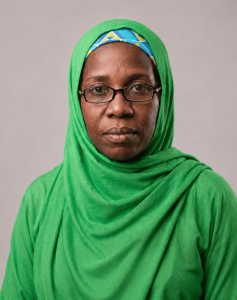
Born on August 23, 1965, Professor Nuhu is an Associate Professor in the Department of Pharmacognosy and Drug Development at Ahmadu Bello University.
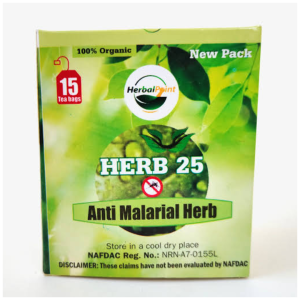
Her invention, Herb 25, is produced from carefully selected herbs traditionally used across Nigeria to treat malaria. To make the medicine easy to use, it is packaged in tea bags, allowing patients to prepare it simply by adding hot water.
According to Ahmadu Bello University, “Herb 25 is the first anti-malaria herbal drug developed and produced by a Nigerian university,” making it a significant milestone in the country’s efforts to promote indigenous medicine and scientific innovation.
Years of research driven by a common goal
Professor Nuhu’s research has focused on medicinal plants and developing affordable treatments for diseases that disproportionately affect Nigerians.
Speaking about the significance of the breakthrough, Ahmadu Bello University noted that “Herb 25 is the first anti-malaria herbal drug developed and produced by a Nigerian university,” highlighting its importance in strengthening locally driven healthcare solutions.
Her work demonstrates how scientific research can harness Nigeria’s rich biodiversity to provide practical and affordable healthcare options.
Championing indigenous medical innovation
Professor Nuhu earned her PhD from Ahmadu Bello University and is a member of the Nigerian Society of Pharmacognosy. Throughout her career, she has remained committed to advancing research into medicinal plants while promoting the use of evidence-based traditional medicine.
Her contributions have earned recognition for expanding access to affordable healthcare and encouraging greater investment in homegrown pharmaceutical research.



