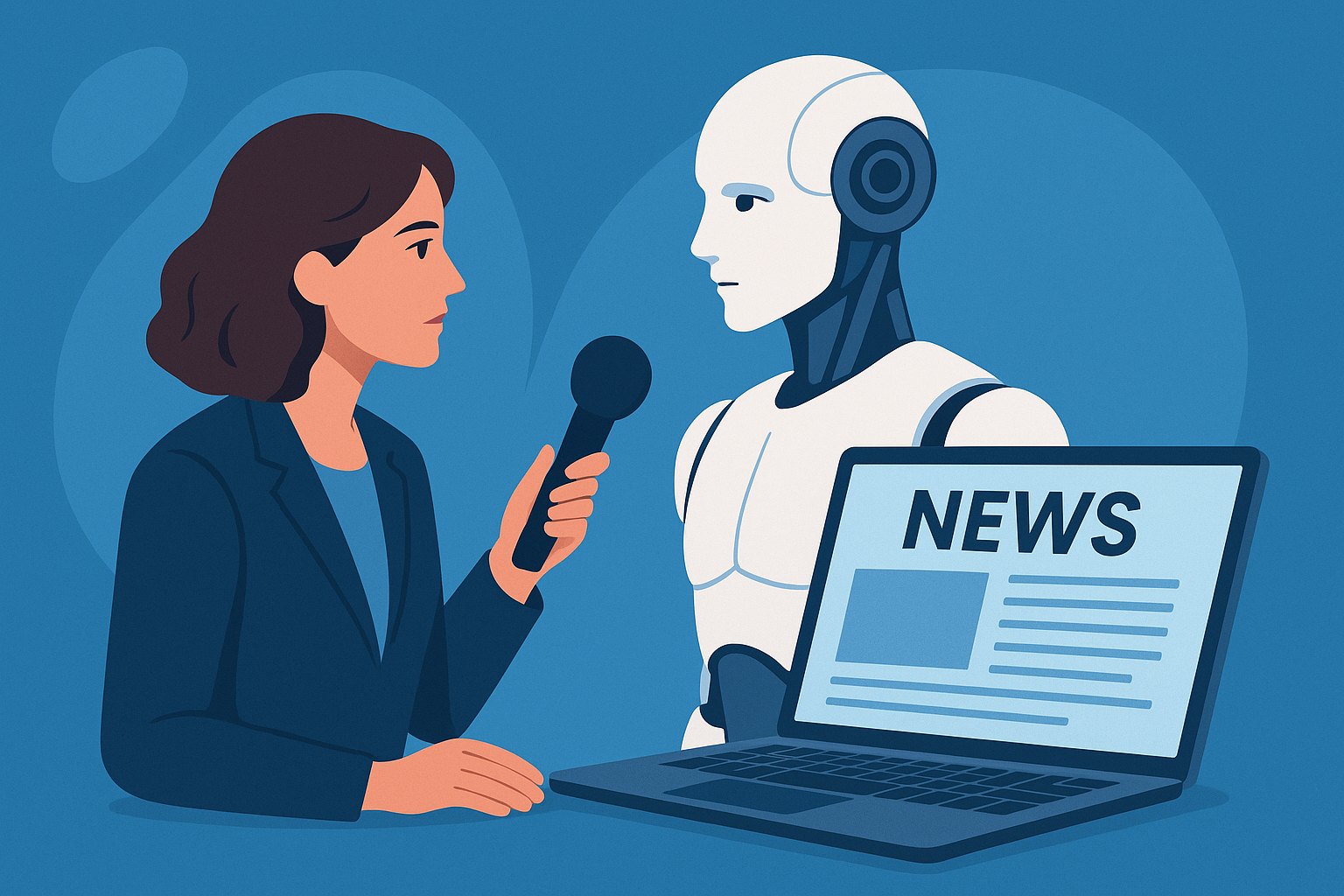


For decades, radio and television have been at the centre of how Nigerians get their news, information and entertainment. Now, however, a new force is changing the way the industry works, Artificial Intelligence (AI).
AI can already help write scripts, transcribe interviews, summarise reports, edit videos, generate voice-overs and even create digital presenters.
For broadcasters, the appeal is clear: faster production, lower costs and the ability to turn one story into different formats for television, radio, websites and social media.
But as the technology becomes more advanced, one question is becoming difficult to ignore, could AI eventually replace the human broadcaster?
The change is not happening only inside newsrooms. Audiences are changing too.
Many young people now get news and entertainment through YouTube, TikTok, podcasts, streaming platforms and other digital channels instead of waiting for a scheduled television or radio programme.
The Reuters Institute’s 2025 Digital News Report found that traditional news media are facing increasing competition as audiences shift towards social media and video platforms. The report also found that younger audiences are particularly reliant on these platforms for news..
AI could push this change even further by helping audiences receive personalised news summaries, translations and explanations based on their interests.
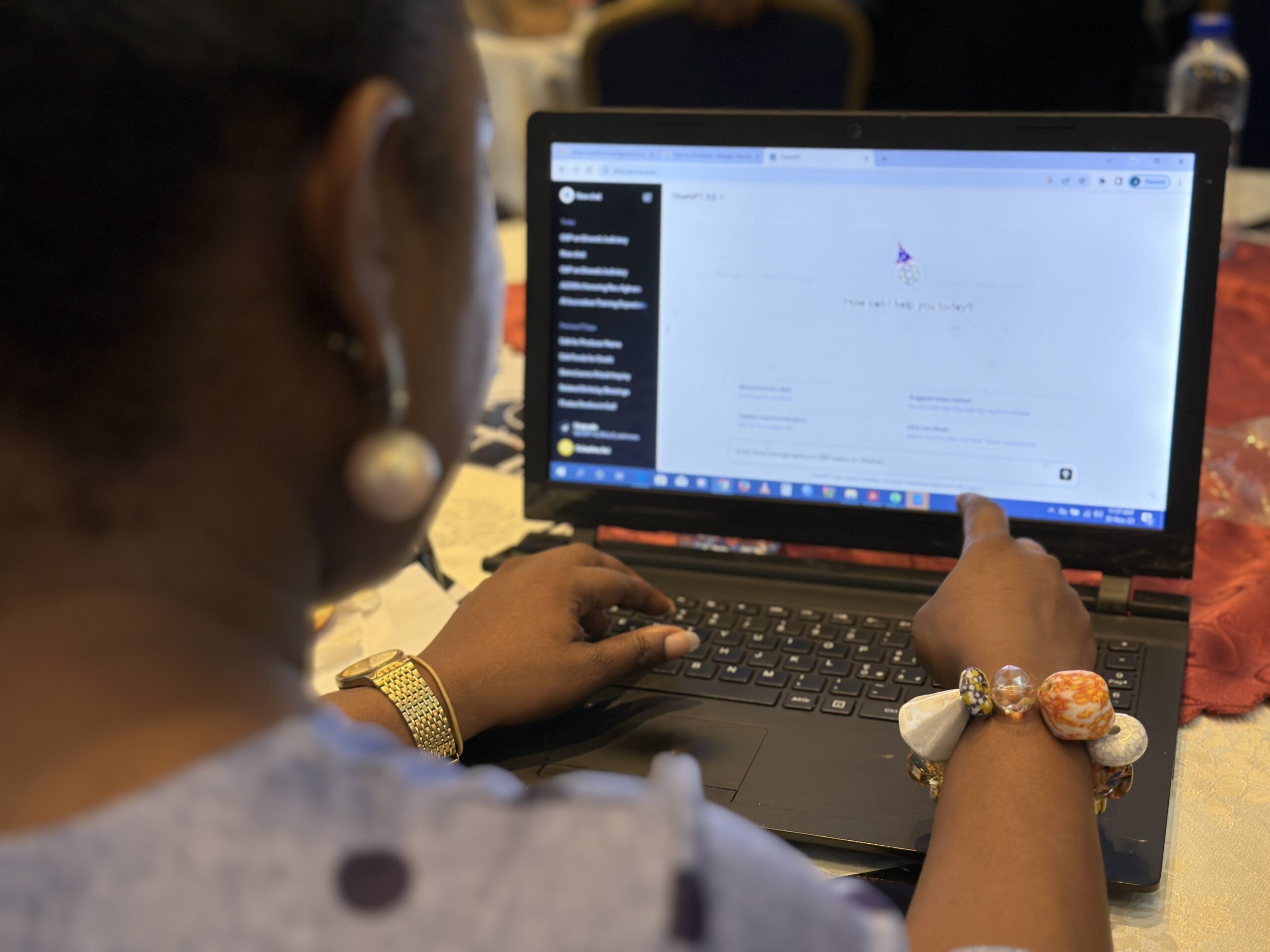
News organisations are already experimenting with the technology. The Reuters Institute reported that 87 percent of publishers surveyed said generative AI was transforming their newsrooms, either fully or to some extent.
For journalists, this could mean spending less time on repetitive tasks and more time on reporting, investigation, interviews and storytelling.
But there is a catch.
AI can produce information quickly and convincingly including information that is wrong.
That makes human verification more important, not less.
A journalist reporting from the scene of a flood, election, conflict or other crisis does more than gather facts. They speak to people, observe what is happening, ask difficult questions and make editorial decisions about what the public needs to know.
Most importantly, a journalist can be held accountable for the information they publish.
AI cannot independently take that responsibility.
This is why the future of broadcasting may not be a battle between humans and machines. Instead, it could be about humans using machines to do journalism better.
Radio is likely to become increasingly digital, while television will continue moving towards streaming and on demand content. A single news story could be adapted for television, radio, podcasts, websites and social media, with AI helping broadcasters produce each version more efficiently.
For Nigerian broadcasters, the message is simple: adapt or risk being left behind.
Those who learn to use AI while protecting accuracy, ethics, human connection and public trust could be better positioned for the future.
- Gov. Eno Honours Former Teacher Nearly 50 Years Later
- Kemi Okenyodo’s Journey In Police Accountability And Justice Reform
- Why Are the Idoma Celebrating?
- INEC Targets Safer, Smoother 2027 Elections
- Nigeria Plans Power-Telecom Integration to Boost Rural Connectivity
AI may change how news is produced. It may even change how news is presented.
When the facts are unclear and the stakes are high, people will still need someone who can ask the right questions, challenge the official version and stand behind the story being told.
AI may help produce the news faster, but it cannot replace the human responsibility that comes with telling it. The technology may change the newsroom, but the need for credible journalism will remain.
For more stories, news and updates, visit AkweyaTV. https://www.akweyatv.com/