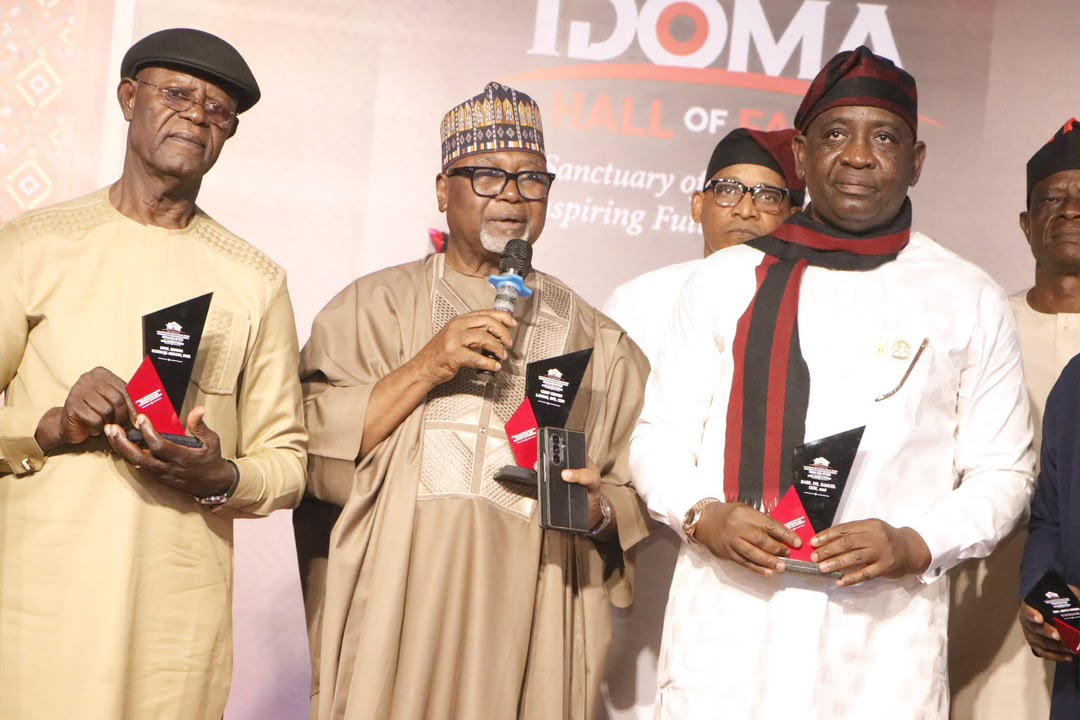


By Iorliam Shija
On 15 October 2026, the Idoma community gathered in Abuja for the Idoma Hall of Fame induction ceremony. The event is part of the Idoma Centenary-Plus Celebration, a nine-month programme running from March to December 2026. Why are the Idoma celebrating, and what should the Tiv learn from it?
The celebration commemorates over a hundred years since the creation of Idoma Division by the British colonial administration in 1923. Its theme, “From Idoma Division to Benue South Senatorial Zone: Honouring Our Century, Forging Our Future,” captures the journey of the Idoma people from a colonial administrative arrangement to their present political and cultural identity.
It is important to clarify that the Idoma people did not begin to exist in 1923. Their communities, traditions, languages, and histories predated colonial rule. What happened in the early 1920s was the administrative consolidation of communities that had previously been governed through different jurisdictions.
Before the creation of Idoma Division, parts of what is now Idoma land were administered from Abakaliki, Nsukka, Ankpa, and Lafia. Following surveys and administrative reorganisation by the British, these communities were brought under a more unified arrangement. Historical accounts indicate that the administration considered different names, including Akpoto District, before adopting Idoma as the designation for the new division.
- Why Are the Idoma Celebrating?
- INEC Targets Safer, Smoother 2027 Elections
- Nigeria Plans Power-Telecom Integration to Boost Rural Connectivity
- Gospel Singer Toluwanisings Dies At 41
- Nigerian Authors Set For 45th International Convention In Abuja
The headquarters was initially associated with the Okpoga area before being moved to Otukpo, whose strategic location and connection to the developing railway network favoured its emergence as an administrative centre.
The creation of Idoma Division was therefore an important episode in the colonial history of the region. It helped shape subsequent administrative, political, and cultural developments that eventually contributed to the emergence of the area now known as Benue South Senatorial District.The 2026 celebration recognises this historical milestone while looking towards the future.
The programme goes beyond cultural displays and ceremonies. It includes academic and policy summits, youth and innovation activities, cultural festivals, and the establishment of institutions intended to preserve Idoma history and promote development.
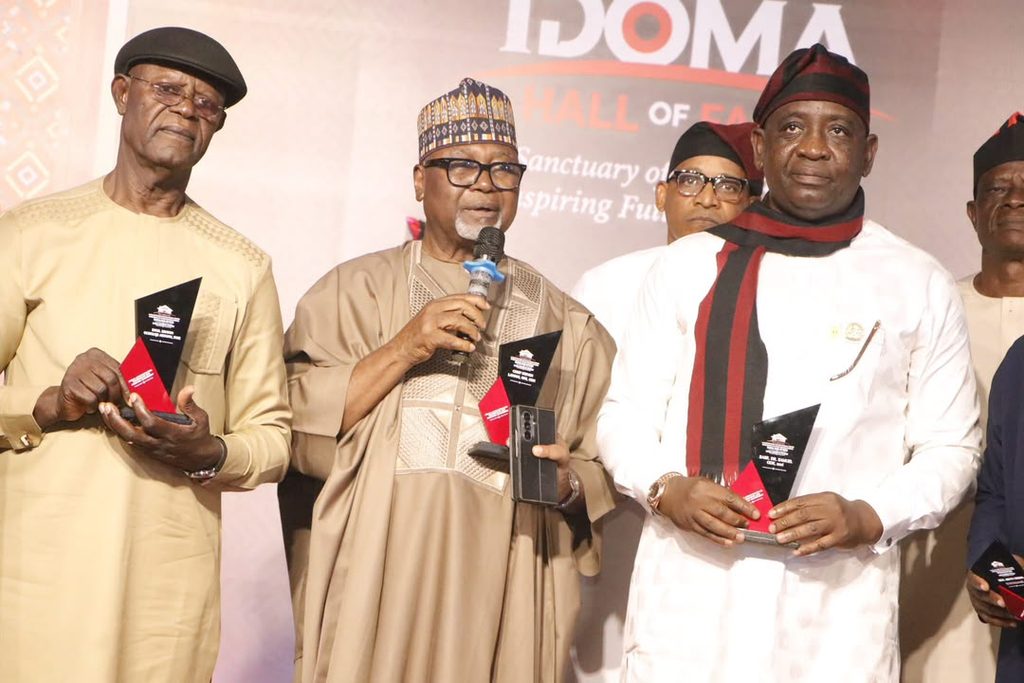
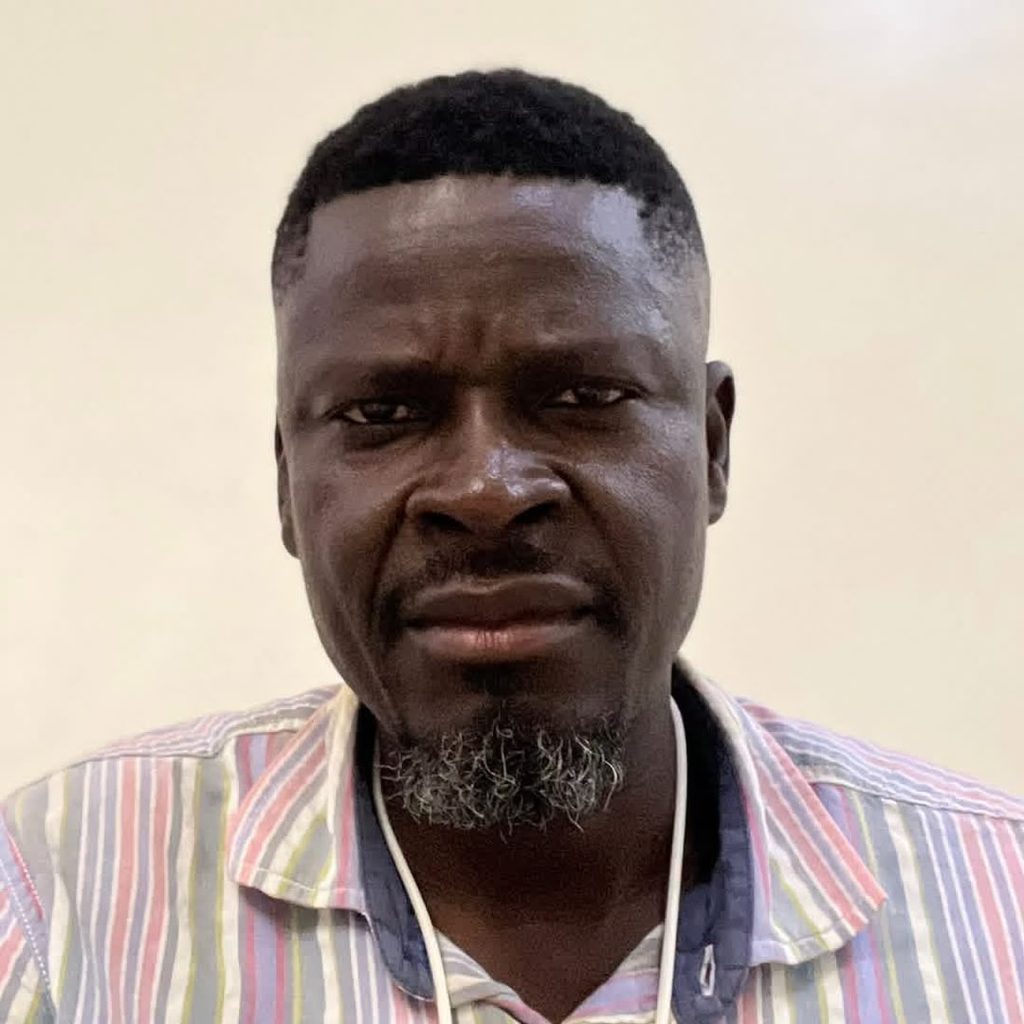
The Abuja Hall of Fame ceremony honoured distinguished Idoma sons and daughters from different fields. Among the prominent personalities associated with the induction are Senator David Mark, former senate president, musician Innocent Idibia, popularly known as 2Baba, Dr Paul Enenche, the general overseer of Dunamis among many others.
The organisers have also proposed a digital museum, an Apa Leadership Academy, a scholarship and innovation fund, and a time capsule to be opened during the bicentenary in 2123.
These initiatives demonstrate an attempt to connect historical remembrance with institutional development.
For me, the most interesting aspect of the Idoma Centenary-Plus Celebration is not the ceremonies themselves but the historical consciousness behind them.
The Idoma have identified a significant milestone in their administrative history and are using it to tell their story, celebrate their achievers, preserve their heritage, and inspire younger generations.
When will the Tiv make a similar deliberate attempt to celebrate their historical essence?
The Tiv possess a rich history of migration, settlement, social organisation, cultural development, political struggle, and interaction with neighbouring peoples. Their experiences under colonial administration, the emergence of Tiv political consciousness, the contributions of leaders and the evolution of Tiv institutions provide sufficient material for a comprehensive historical commemoration.
Yet, despite the many cultural festivals and annual celebrations across Tivland, we have not sufficiently developed a single, sustained initiative that brings together our history, historical personalities, intellectual achievements, cultural heritage, and collective aspirations in the manner the Idoma are attempting to do.
This is not to suggest that Tiv people have done nothing to preserve their heritage. Traditional institutions, cultural organisations, historians, writers, and community associations have made important contributions. However, these efforts have not yet produced the kind of comprehensive, coordinated historical commemoration that could engage Tivland across generations and institutions.
The Tiv must begin to ask ourselves fundamental questions. What defining historical milestones should we commemorate? How do we document our oral traditions before the elders who preserve them pass away? Where is our permanent repository of historical documents, photographs, biographies, and records of our traditional institutions? How do we systematically celebrate Tiv men and women whose contributions deserve recognition beyond their immediate communities?
We have often celebrated individual personalities, political achievements, and cultural festivals. What remains necessary is a deliberate effort to connect these activities to a broader historical narrative that explains who we are, how we evolved, and what we hope to become.
The Idoma experience offers an opportunity for reflection. We do not have to copy their programme or adopt their historical milestones. Our history is different, and our commemoration must reflect that difference.
What we need is a serious initiative driven by our traditional institutions, historians, intellectuals, cultural organisations, and other stakeholders to document and celebrate the Tiv historical experience.
Such an initiative should go beyond speeches and entertainment. It should produce historical publications, establish accessible archives, preserve oral traditions, recognise deserving personalities, and educate younger Tiv people about their heritage.Above all, it must be sustained.
The Idoma are using a century of administrative history to reflect on their past and articulate their future. The Tiv should ask what we are doing with the wealth of our own history.
A people who do not deliberately document and celebrate their history risk leaving others to tell their story for them.
The Idoma have given us something to think about. It is time the Tiv did some serious thinking of our own.
Shija writes from Abuja (08051990203)