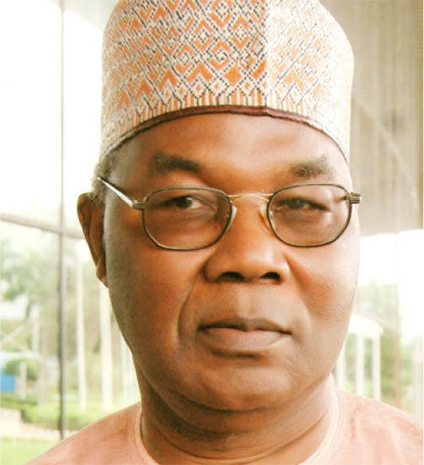

BIU, BORNO STATE — Imagine a town where residents once had to walk long distances simply to find water, especially when the dry season arrived. Then, in 1992, one son of the community decided to do something remarkable he helped bring water closer to the people.
That is the story of Dr. Bukar Usman, OON, whose intervention in Biu Town and its immediate environs became one of the most significant private contributions to the town’s modern water-supply history.
At the time, Biu was still grappling with water shortages despite earlier government interventions. The town had moved from relying mainly on traditional sources such as wells, springs, streams and rivers to modern water infrastructure, including the first mechanized borehole drilled in 1954 and another public borehole constructed in 1975.
But water remained a challenge for many communities.
In 1992, Dr. Bukar Usman responded to that challenge by funding and facilitating the drilling of several motorized boreholes across Biu Town and its immediate environs. The goal was straightforward but powerful: reduce the hardship residents faced when accessing water.
The boreholes were deliberately distributed across locations where they could serve densely populated communities, public institutions and vulnerable residents.
Among the locations were the area around his family house in Zarawuyaku Ward, his private residence in the GRA, the former Biu Community Bank on Gombe Road, the Emir’s Palace, General Hospital Biu, the Divisional Police Headquarters “Charge Office,” Nasarawa Area, Biu Oil Mill, Dugja Dizza Ward, Galdimare Primary School, Garuwashina Community and other locations across the town.
The impact was immediate and deeply human.
The report notes that the boreholes reduced the burden on women and children, while also improving hygiene and health outcomes in benefiting communities. Some were initially equipped with hand pumps and were subsequently upgraded to solar or motorized systems through community and government efforts.
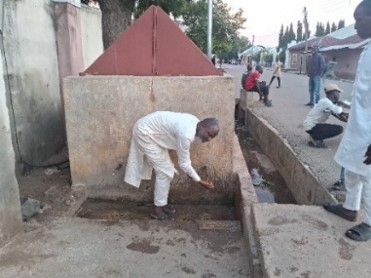
And here comes the remarkable part: according to the report compiled in August 2026, almost three decades after the intervention, all but two of the listed boreholes were still functional.
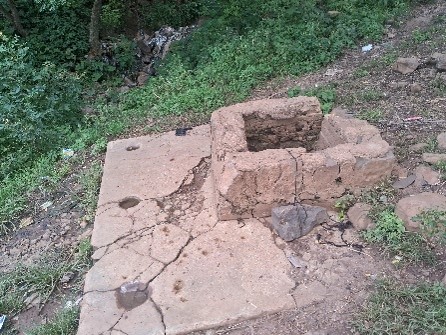
Two locations around Dr. Usman’s family house in Zarawuyaku Ward and Dugja Dizza Ward were reported as non-functional as of August 2026, while the others continued serving their communities.
- Swiss Diplomat’s Wife Tests Positive For Ebola In Nigeria
- Farida Isiak Case Raises Press Freedom Concerns
- ISDEVCOM Delegation Pays Condolence Visit To Family Of Late Francis Duru
- Clement Nwankwo’s Fight For Human Rights And Democracy
- AEDC Announces Three-Day Power Disruption In Parts Of Abuja
This means a decision made in 1992 continues to tell a powerful story about what happens when philanthropy meets a basic community need.
Dr. Usman’s intervention was not simply about drilling boreholes. It demonstrated how individual leadership and community-focused philanthropy can create infrastructure that outlives the moment that inspired it.
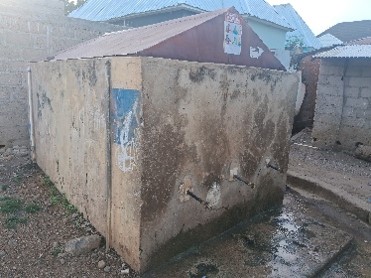
Today, the boreholes remain part of Biu’s development history and a surprising reminder that sometimes, one person’s response to a community problem can continue touching lives decades later.
The report, written by Mohammed Umar Midala, Deputy Education Secretary, Biu Local Education Authority, on August 19, 2026, calls for the intervention to be properly documented, maintained and preserved as part of the developmental history of Biu Emirate.
For Biu, the story is more than water.
It is a story of legacy, service and the extraordinary power of investing in something every community needs.