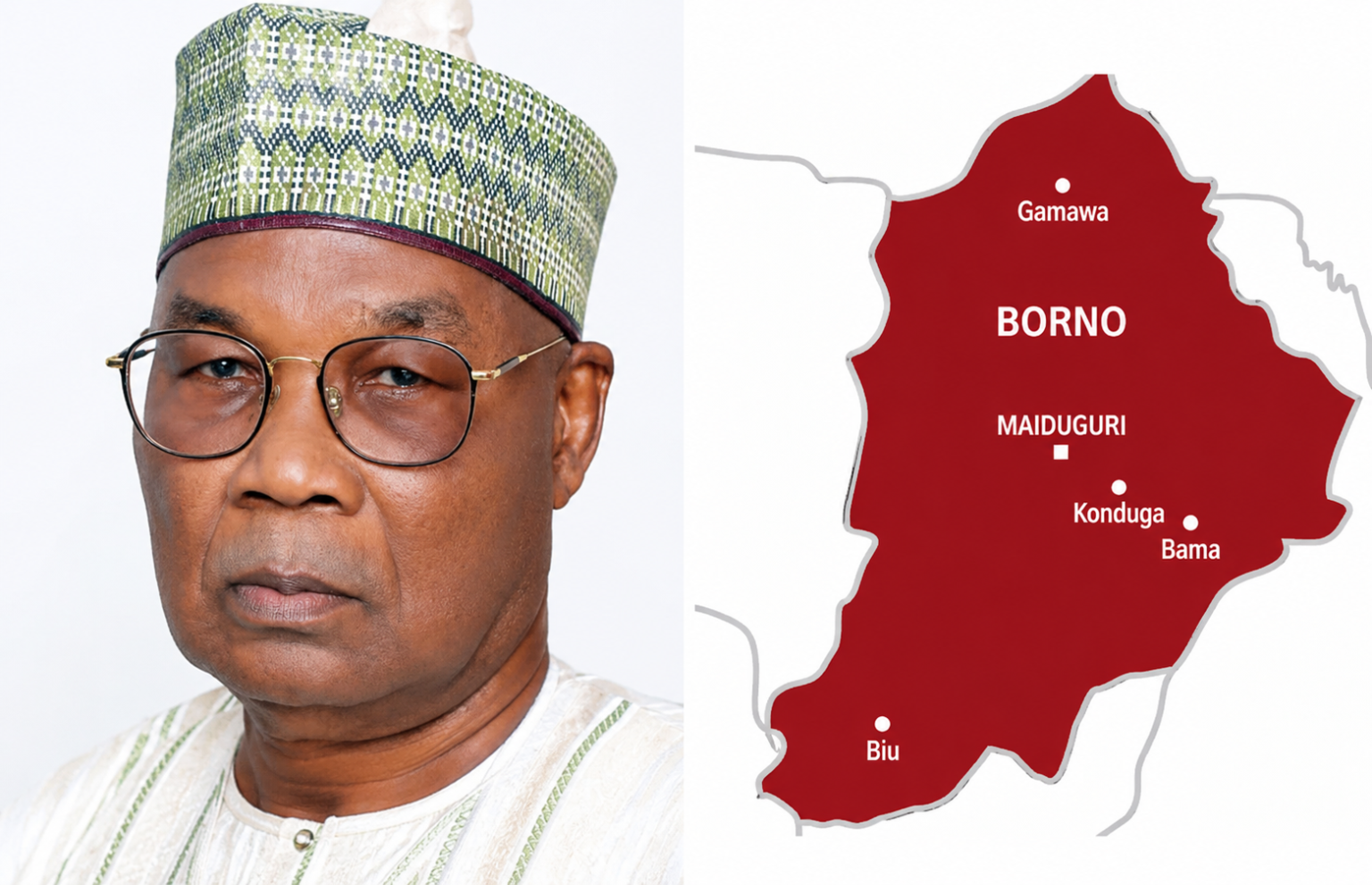

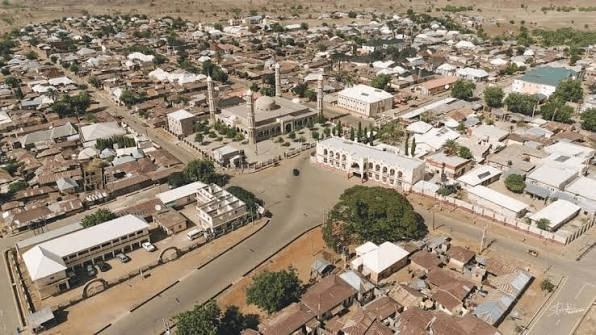
BIU, BORNO STATE — Biu’s water story did not begin with boreholes, pipes or modern infrastructure. It began with springs, wells, streams and rivers and with communities determined to survive, grow and protect the resources that sustained them.
Today, more than 150 years of that history can still be traced across the town.
According to oral history cited in a report by Mohammed Umar Midala, the people of Biu relied heavily on natural and traditional water sources as far back as 1873.
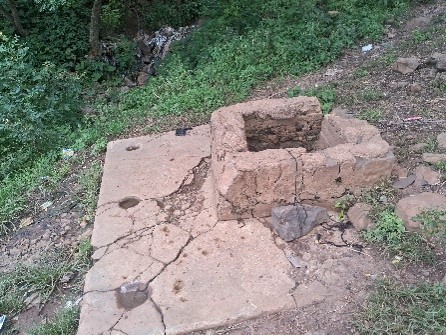
Among them was Jibir Thlema, an ancient well in Garuwashina Ward, believed to have been dug by the early Hona and Gwi settlers. The well became dependable enough to support drinking, farming and livestock, helping the settlement around it grow.
There was also Jibir Mambila in Zarawuyaku Ward, a natural spring that emerged during the migration of the Biu Kingdom from Pelaminta to present-day Biu in 1873. Its water was described in oral accounts as clean, cold and constant.
Then there was Jibir Yapana Yero, believed by community elders to be more than 220 years old. Its history offers a fascinating glimpse into traditional community governance. A female elder, Yapana Yero, was appointed caretaker, and the well was reportedly closed every evening at 7:30 p.m. and reopened at 7:30 a.m. to control wastage, prevent contamination and ensure fair access.
Another historic source, Jibir Kuthli, also known as Gadina Kuthli, was developed into a well in 1908 during the reign of Kuthli Ari Dogo, the 24th Kuthli of Biu. It supplied water for activities around the palace and supported an orchard established by the Kuthli.
Then came a new chapter.
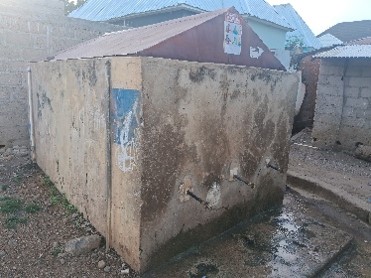
In 1954, modern water infrastructure arrived when Mr. J. G. Davies, the then District Administrative Officer, initiated Biu’s first mechanized borehole. It supplied pipe-borne water to the Government Residential Area, the Emir’s Palace and a public fetching point at Dole in the Palace Square.
In 1975, another important intervention followed when Brigadier Musa Usman, then Military Governor of the North-Eastern State, provided a public borehole at Sil’umthla, serving Galdimare, Zarawuyaku and surrounding areas.
In 1982, the Borno State Government under Governor Mohammed Goni initiated construction of the Biu Dam, designed to provide potable water to Biu and 35 other towns and villages within a four-kilometre radius. However, the project remained incomplete as of August 2026.
- Fuel Hike Puts Pressure on Businesses and Households
- Overthinking: When Your Mind Refuses to Rest
- Zikirullahi Ibrahim A Voice For Rights And Democracy
- Biu’s Water Legacy Runs Surprisingly Deep
- Christian Group Rejects Religious Quotas
And then came another major milestone.
In 1992, Dr. Bukar Usman, OON, a son of Biu, responded to acute water scarcity by funding and facilitating several boreholes across Biu Town and its immediate environs.

His intervention extended across communities and strategic institutions, including the Emir’s Palace, General Hospital Biu, Police Headquarters, Galdimare Primary School, Garuwashina, Nasarawa and several parts of Zarawuyaku.
What makes the story particularly striking is its longevity.
As of August 2026, the report stated that all but two of the listed 1992 boreholes attributed to Dr. Usman remained functional. Some had also been upgraded from hand pumps to solar or motorized systems.
From ancient springs to modern boreholes, Biu’s water history therefore tells a bigger story: communities, traditional institutions, government and private citizens have all played a role in solving one of humanity’s most basic needs.
The evidence is visible in old wells that still function, historic sites that remain remembered and boreholes installed decades ago that continue to serve residents.
The report’s message is ultimately one of preservation.
Biu’s water infrastructure is not merely a collection of wells, pumps and projects. It is a record of community resilience, leadership, public service and development across generations.
And perhaps the most surprising discovery is this: in Biu, some of yesterday’s water solutions are still helping shape today’s story.