
The Special Agro-Industrial Processing Zones (SAPZ) Kaduna , a project by the African Development Bank and led by Dr. Kabir Yusuf, National Project Coordinator SAPZ, has concluded a four-day capacity-building training aimed at strengthening communication, reporting, teamwork and project implementation among members of the project team. The training, held at Petrus Hotel, Abuja, focused on improving the team’s ability to communicate effectively, prepare quality reports, engage stakeholders and use modern digital and artificial intelligence tools to support project delivery.
- ACI Africa Experts Tackle Airport Development Challenges
- AfDB-Funded Project Gears Up for Increased Visibility
- Accountants Are Turning Numbers Into Opportunities
- Nigeria’s Electricity Bill Has A Surprise
- DEVELOPMENT INSIGHTS MORNING BRIEF, 25 SEPTEMBER 2026
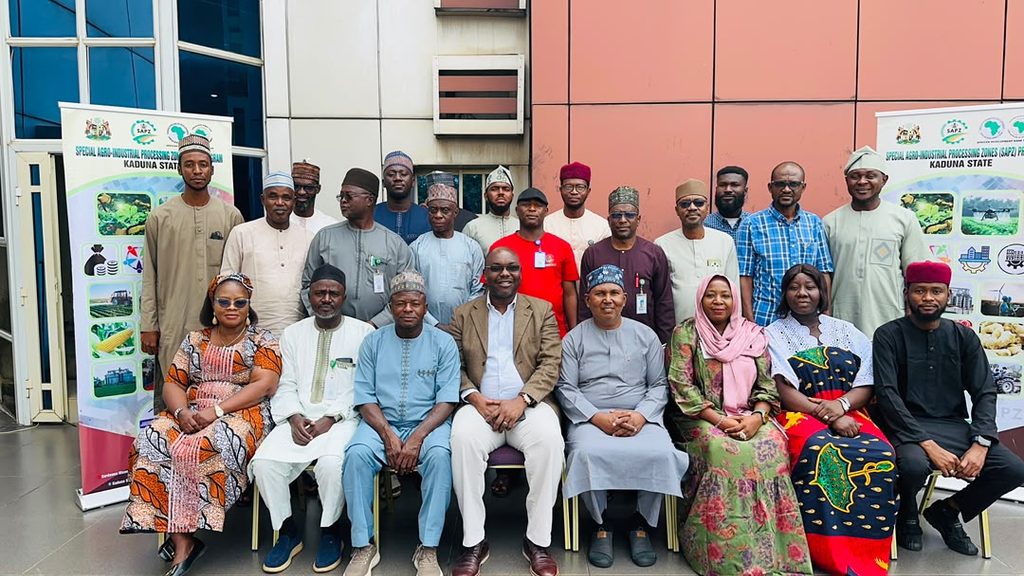
Development communication expert, Mr Odoh Diego Okenyodo, served as the lead facilitator for the training, taking participants through practical sessions on effective communication, report writing, stakeholder engagement, strategic storytelling, field documentation and the use of AI tools for productivity.
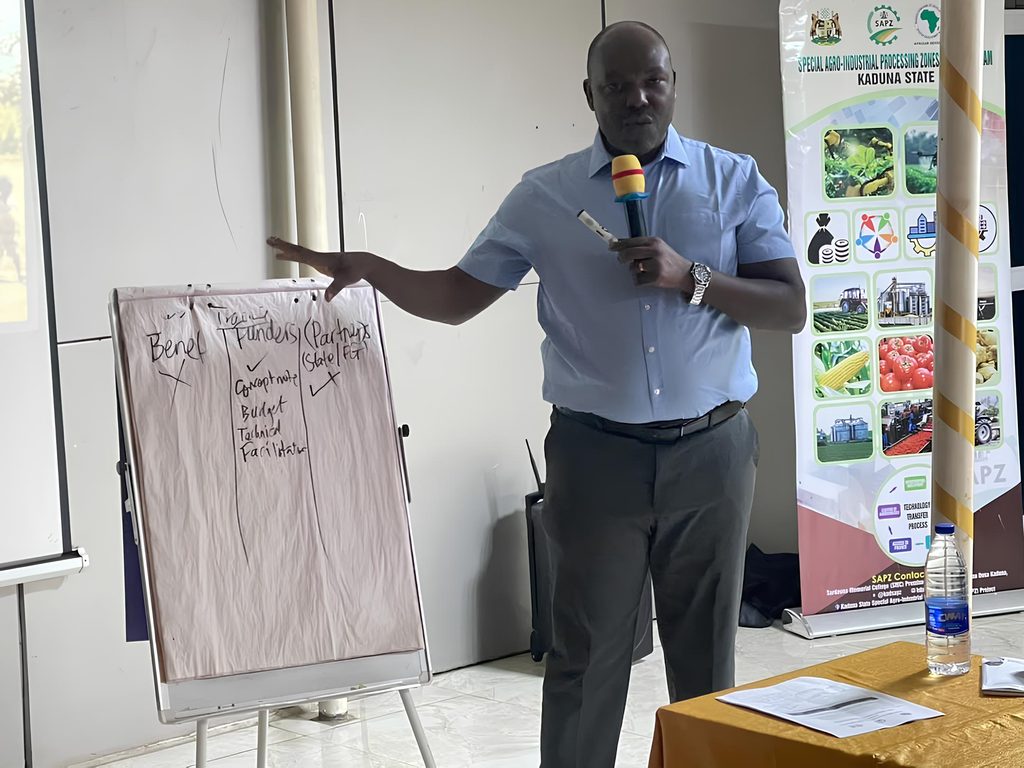
The programme also covered emotional intelligence, interpersonal communication, conflict resolution, donor visibility requirements and knowledge management practices
Focus on Better Project Implementation
Speaking at the end of the four day training, the State Project Coordinator, Abbas Sani Dangaji, expressed confidence that participants would apply the knowledge gained to their work
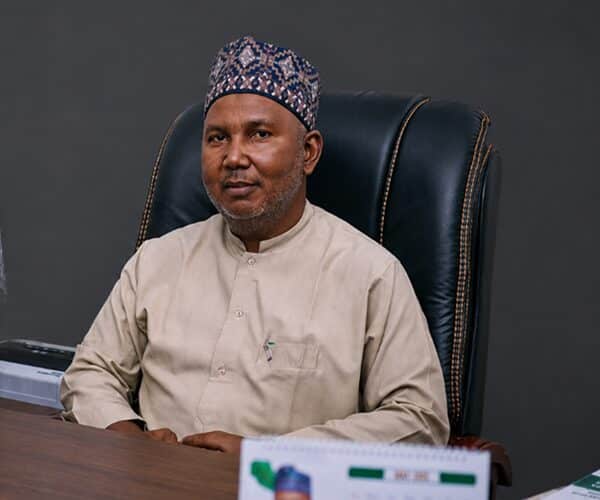
I am confident that the team will return to their respective roles and implement all that they have learnt. The knowledge gained from this training will help us improve project implementation and achieve better results as well as increase visibility”
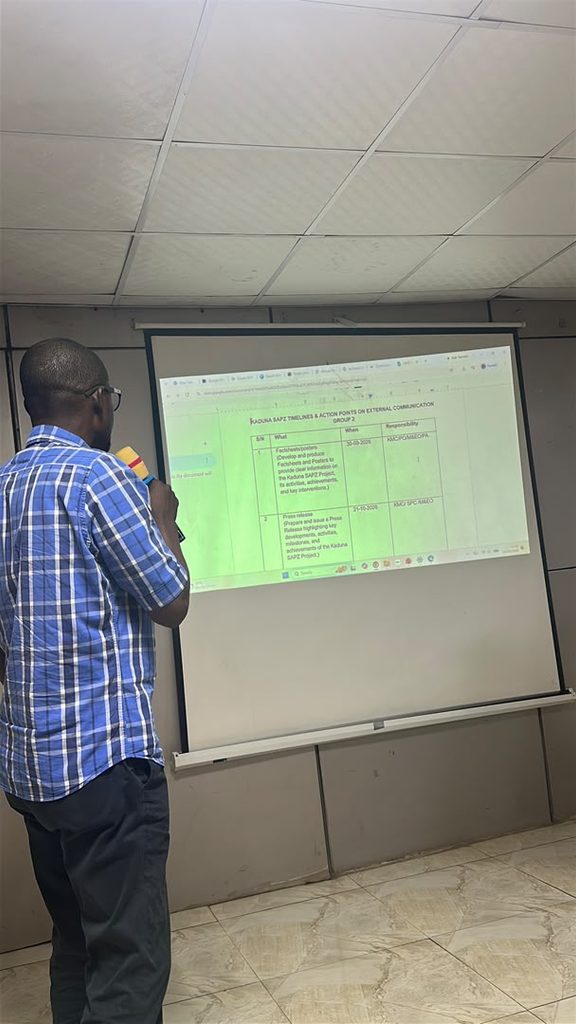
The training included practical assignments, case studies and group exercises designed to help participants address communication and implementation challenges, the team also had a session on the development of a communication and visibility plans for individual units, giving participants a practical roadmap for applying the lessons from the training after returning to their various responsibilities.
The Knowledge Management and Communication (KMC) Manager, Rose Ndandok, also emphasised the need for participants to put their new knowledge into practice.
We have learnt a lot during these four days, and we are committed to using all that we have learnt to improve our work. The knowledge will help us communicate better, document our activities properly and support the project more effectively she said”
Faster Disbursement for Project Activities
The Programme Accountant, Mark Chumbi, said the training had reinforced the need for efficient financial processes to support project implementation.
“We will work to ensure that funds are disbursed more speedily so that activities can be implemented without unnecessary delays”
The final day focused on advanced AI workflows, unit-specific communication and visibility action plans, management alignment and post-training implementation