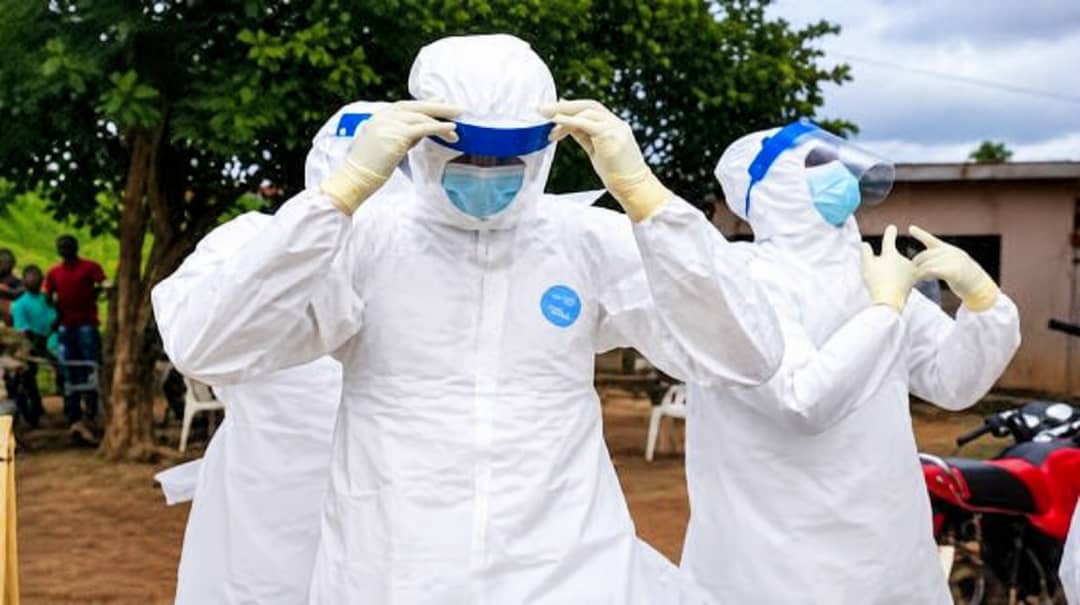

Nigeria has confirmed one imported case of Bundibugyo virus disease in the Federal Capital Territory (FCT), prompting contact tracing and heightened surveillance across the country. The Federal Ministry of Health and Social Welfare announced the confirmation on October 20, 2026, involving a woman who recently travelled from Uganda.
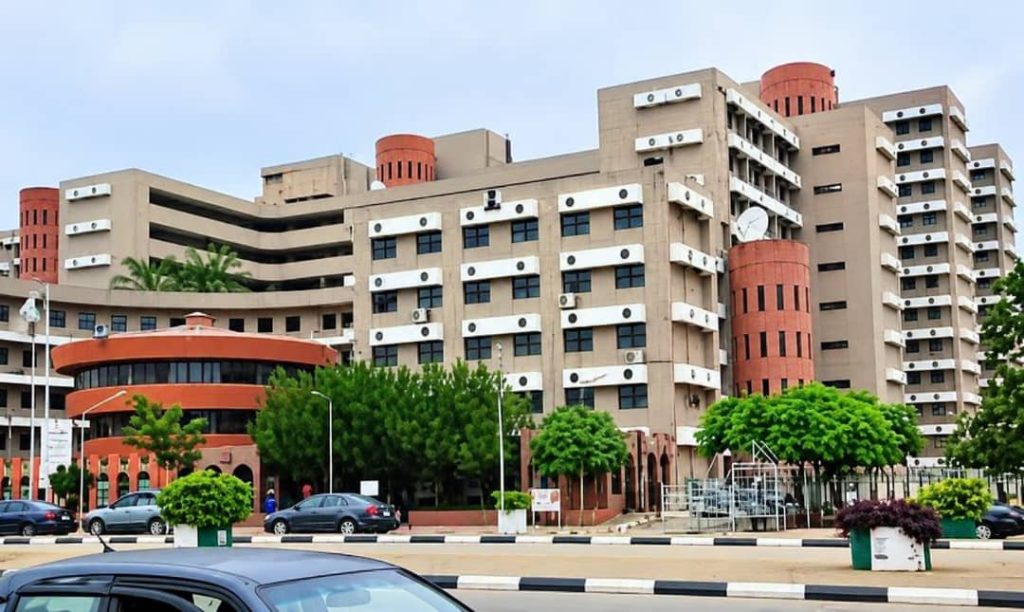
The patient developed symptoms on October 7 and sought treatment at a private hospital in Abuja on October 11. Laboratory tests confirmed the infection on October 20. She is currently in isolation and receiving medical care, while investigations continue to establish her exposure history.
The Nigeria Centre for Disease Control and Prevention (NCDC) has identified 44 contacts for monitoring, including people who may have been exposed at the hospital. The Federal Government has directed healthcare facilities to promptly identify, isolate and report suspected cases.
Nigeria’s Experience with Ebola in 2014
Nigeria previously experienced an Ebola outbreak in July 2014, when an infected traveller arriving from Liberia entered Lagos despite being ill. He was admitted to a private hospital and later tested positive for Ebola. He died on July 25.
According to the US Centers for Disease Control and Prevention, the outbreak resulted in 20 cases, comprising 19 confirmed cases and one probable case, with eight deaths. The infection spread through contact networks involving healthcare facilities in Lagos and Port Harcourt.
- Nigeria Revisits Ebola Lessons as New Case Emerges
- Lawyers Bring Child Rights Lessons Into Rivers Schools
- DEVELOPMENT INSIGHTS MORNING BRIEF, 21 October 2026
- Federal Government Confirms Ebola Case In Abuja
- LITACO Takes Reading Campaign to Lagos Secondary Schools
Nigeria contained the outbreak through coordinated emergency response efforts, laboratory testing, isolation and extensive contact tracing. Approximately 900 contacts were identified and monitored, while thousands of follow-up visits were conducted. The World Health Organization declared Nigeria Ebola-free on October 20, 2014.
Ogun and Ekiti Strengthen Preparedness
Following the latest confirmation, Ogun State intensified surveillance and preparedness measures, assuring residents that no case had been recorded in the state as of October 21, 2026.
The state’s Commissioner for Health, Dr. Tomi Coker, said 111 persons of interest had completed the required monitoring period and been discharged from follow-up. She also highlighted training for health workers, public sensitisation and strengthened infection prevention measures.
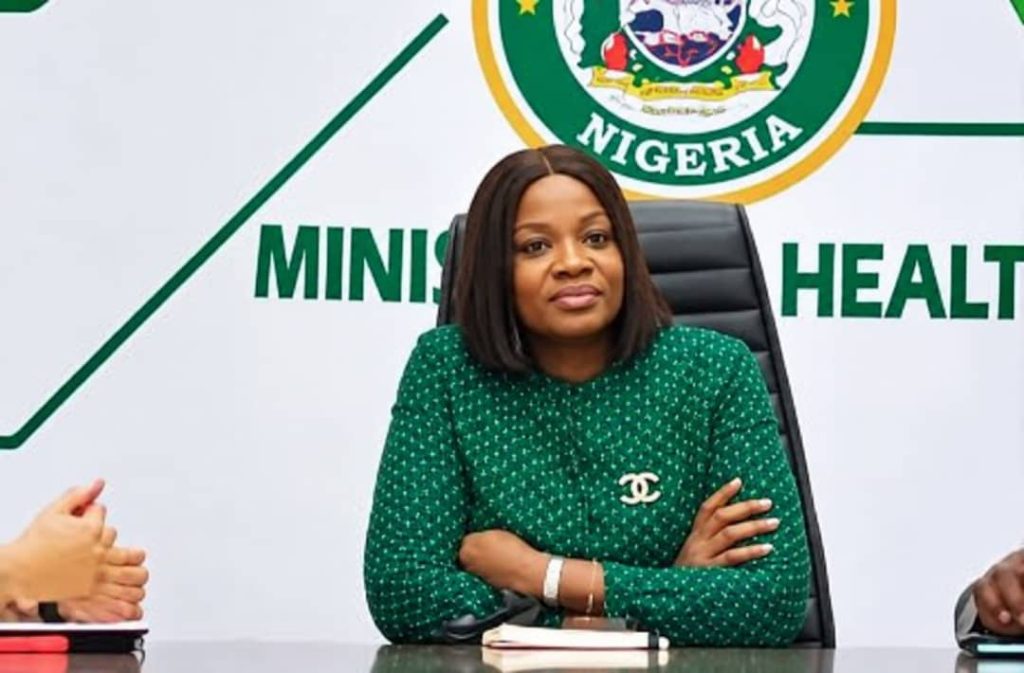
Ekiti State has also increased its preparedness through training for laboratory personnel and surveillance teams, airport screening orientation, public awareness campaigns and the stockpiling of protective equipment. The state has additionally conducted simulation exercises and strengthened arrangements for safe and dignified burials.
Treatment and Supportive Care
According to the World Health Organization (WHO), early and intensive supportive care can improve survival among people infected with Ebola. Treatment focuses on replacing lost fluids and electrolytes, managing pain, fever, vomiting and other symptoms, monitoring blood sugar and blood pressure, and treating complications such as malaria or bacterial infections.
Patients with severe illness may require intravenous fluids, oxygen support or other critical care, depending on their condition. Early diagnosis and appropriate medical attention are essential.
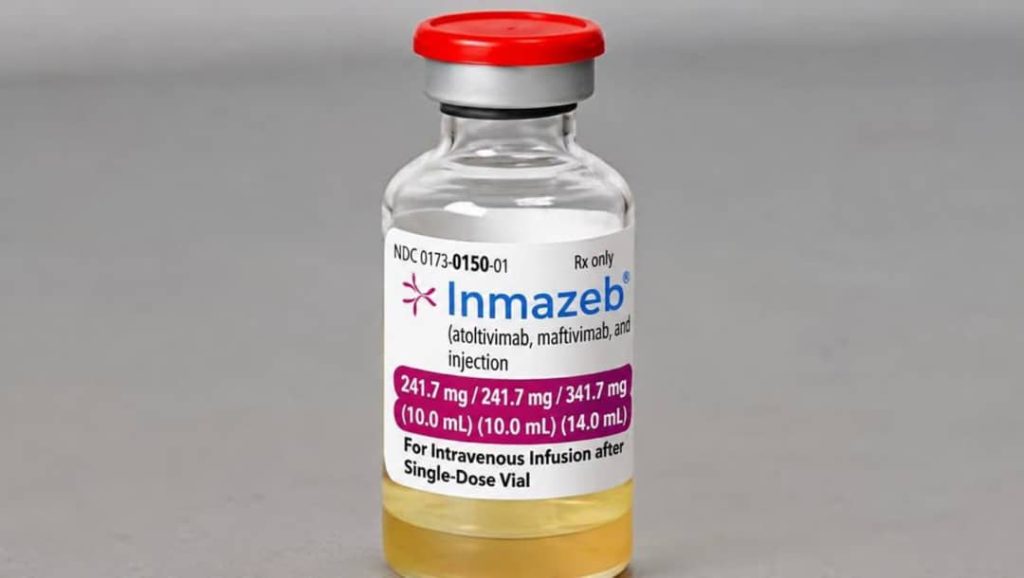
Two monoclonal antibody treatments, Inmazeb and Ebanga, have been approved in the United States for Ebola disease caused by the Zaire ebolavirus. However, these medicines are not approved treatments for Bundibugyo virus disease, the strain confirmed in Nigeria. There is currently no approved specific treatment or vaccine for this strain, making supportive care and public health measures central to the response.
What Nigerians Should Know About Ebola
Ebola disease is a severe illness that can cause death. Symptoms may include fever, fatigue, headache, muscle pain, vomiting and diarrhoea, usually appearing between two and 21 days after exposure.
The disease spreads through direct contact with the blood or other body fluids of an infected person who has developed symptoms, the body of someone who has died from the disease, or contaminated objects.
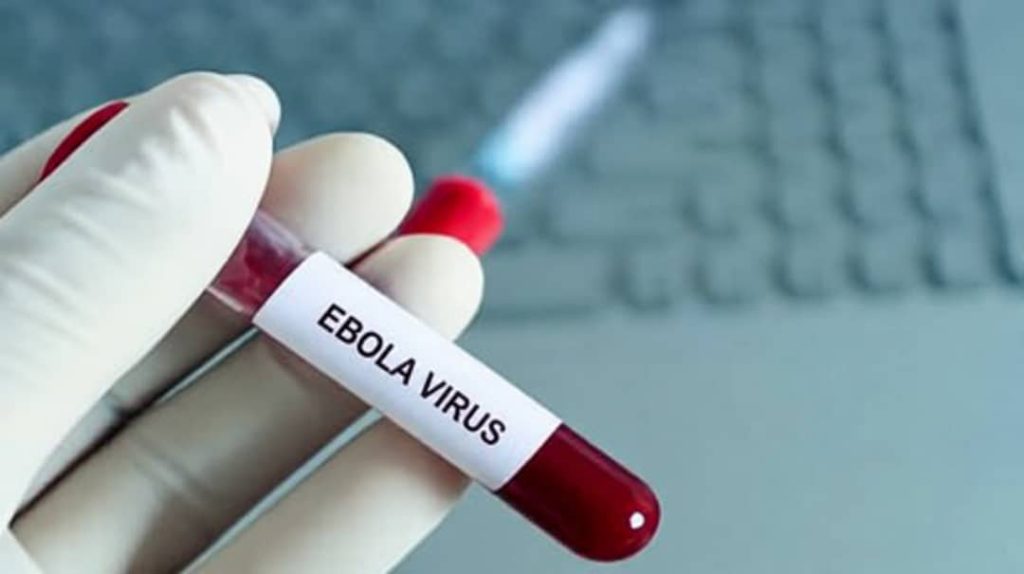
Bundibugyo virus is one of the viruses known to cause Ebola disease outbreaks. Unlike Ebola virus disease, for which approved vaccines and treatments exist, there is currently no approved vaccine or specific treatment for Bundibugyo virus disease. Early supportive medical care can improve survival.
The World Health Organization is supporting Nigerian authorities with case investigation, contact tracing, infection prevention and control, and essential protective supplies. The priority remains identifying possible exposures connected to the Abuja case and preventing further transmission.