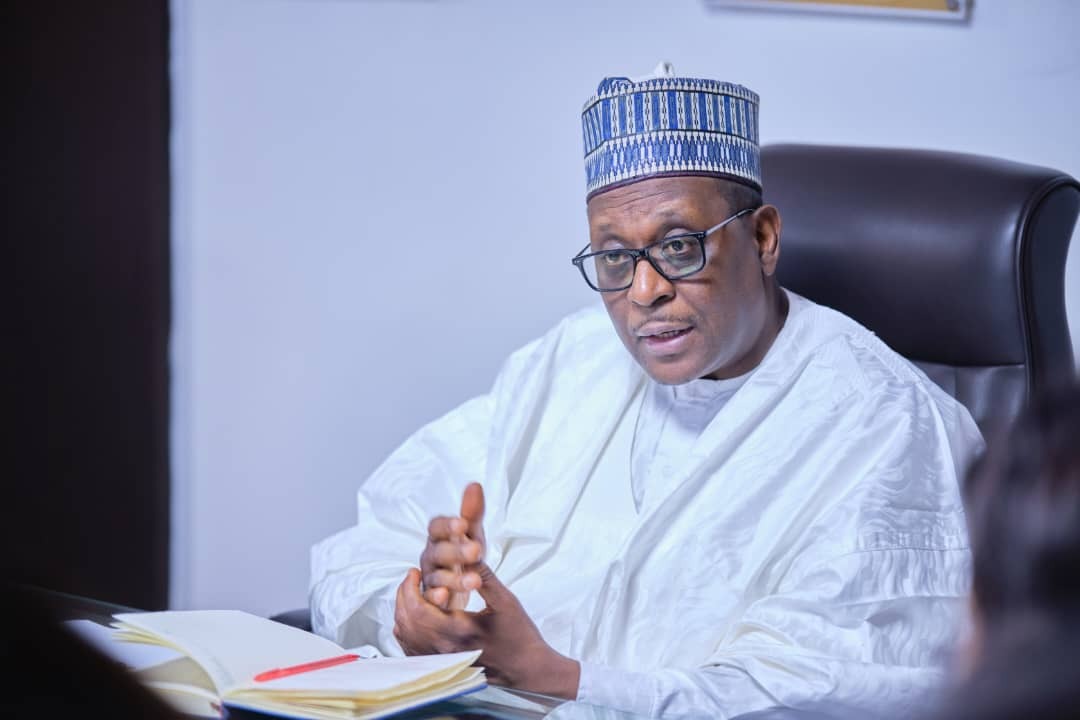

The Federal Government has confirmed an imported case of Ebola disease in the Federal Capital Territory, Abuja, and commenced contact tracing to prevent further spread of the infection.
The Coordinating Minister of Health and Social Welfare, Professor Muhammad Ali Pate, announced the development on Tuesday, October 20, following laboratory confirmation of the virus.
According to the ministry, the patient is a woman who recently arrived in Nigeria on an international flight from Uganda. She developed symptoms on October 7 and sought medical attention at a private hospital in Abuja on October 11.
The woman is currently in isolation and receiving medical care, while health authorities investigate the circumstances surrounding her infection.
The World Health Organization confirmed that laboratory tests detected the Bundibugyo strain of the Ebola virus on October 20.
- Nigeria Revisits Ebola Lessons as New Case Emerges
- Lawyers Bring Child Rights Lessons Into Rivers Schools
- DEVELOPMENT INSIGHTS MORNING BRIEF, 21 October 2026
- Federal Government Confirms Ebola Case In Abuja
- LITACO Takes Reading Campaign to Lagos Secondary Schools
The Federal Government says 44 contacts have so far been identified, with public health teams working to trace and monitor people who may have been exposed to the virus.
The contacts include healthcare workers, patients, caregivers and people linked to the patient’s travel.
The Federal Ministry of Health and Social Welfare, the Nigeria Centre for Disease Control and Prevention, the FCT Health Services Secretariat and other partners are coordinating efforts to contain the infection.
Surveillance has also been intensified, while the private hospital where the patient received treatment is receiving support to strengthen infection prevention and control measures.
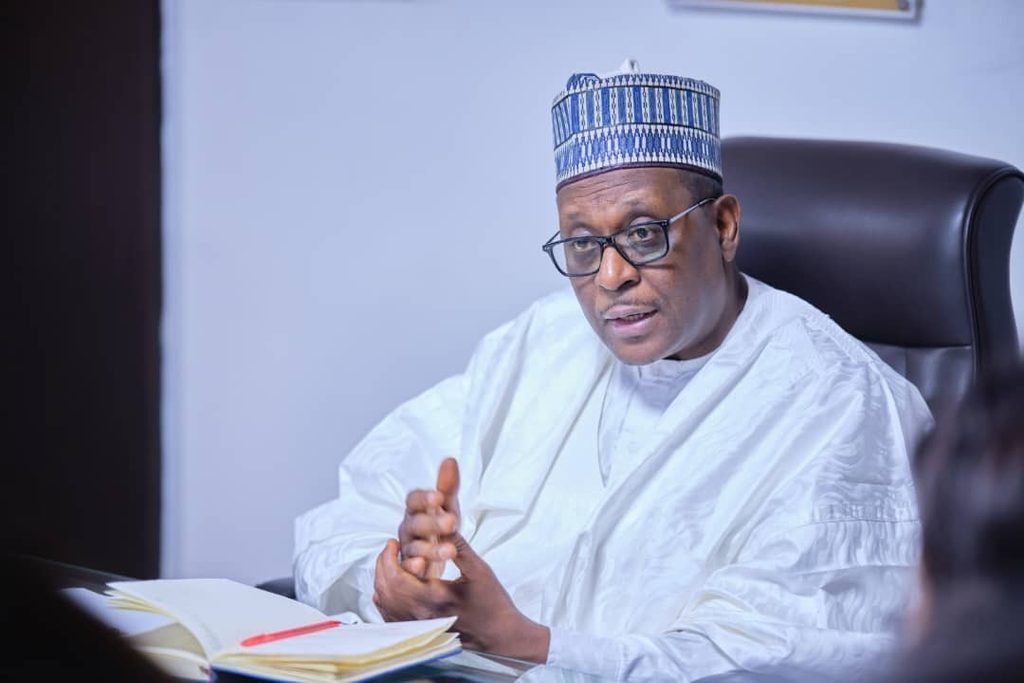
Professor Muhammad Ali Pate urged public and private healthcare facilities across the country to remain on high alert, stressing the importance of early detection, prompt isolation of suspected cases and immediate reporting to public health authorities.
The minister has called on Nigerians to remain calm, stay vigilant and cooperate with health officials as investigations continue.
Members of the public are advised to practise regular handwashing and avoid direct contact with the blood or other body fluids of anyone suspected of having Ebola.
Symptoms may include fever, severe weakness, headache, vomiting and diarrhoea. Anyone who develops symptoms after possible exposure should contact public health authorities promptly for guidance before visiting a healthcare facility.
The Nigeria Centre for Disease Control and Prevention has also urged the public to rely on verified information and avoid spreading unconfirmed reports about the outbreak.
Nigeria is drawing on its experience in containing the 2014 Ebola outbreak, when coordinated surveillance, isolation, contact tracing and public cooperation helped stop further transmission.
The confirmation comes amid an ongoing outbreak of Bundibugyo Ebola virus disease that was declared in the Democratic Republic of the Congo in May 2026.
The outbreak has spread across several countries, with Kenya also reporting cases linked to the wider regional emergency.
The World Health Organization says Nigeria is the fifth country to detect the virus since the outbreak was declared in the DRC.
Health authorities across the region are strengthening surveillance, laboratory testing, contact tracing and infection prevention measures to reduce the risk of further transmission.
The Federal Government says investigations are ongoing and has pledged to provide updates as the response progresses.
Members of the public can contact the NCDC’s toll-free call centre on 6232 for information or to report a suspected case.
For more news, updates and stories, visit: https://www.akweyatv.com/