
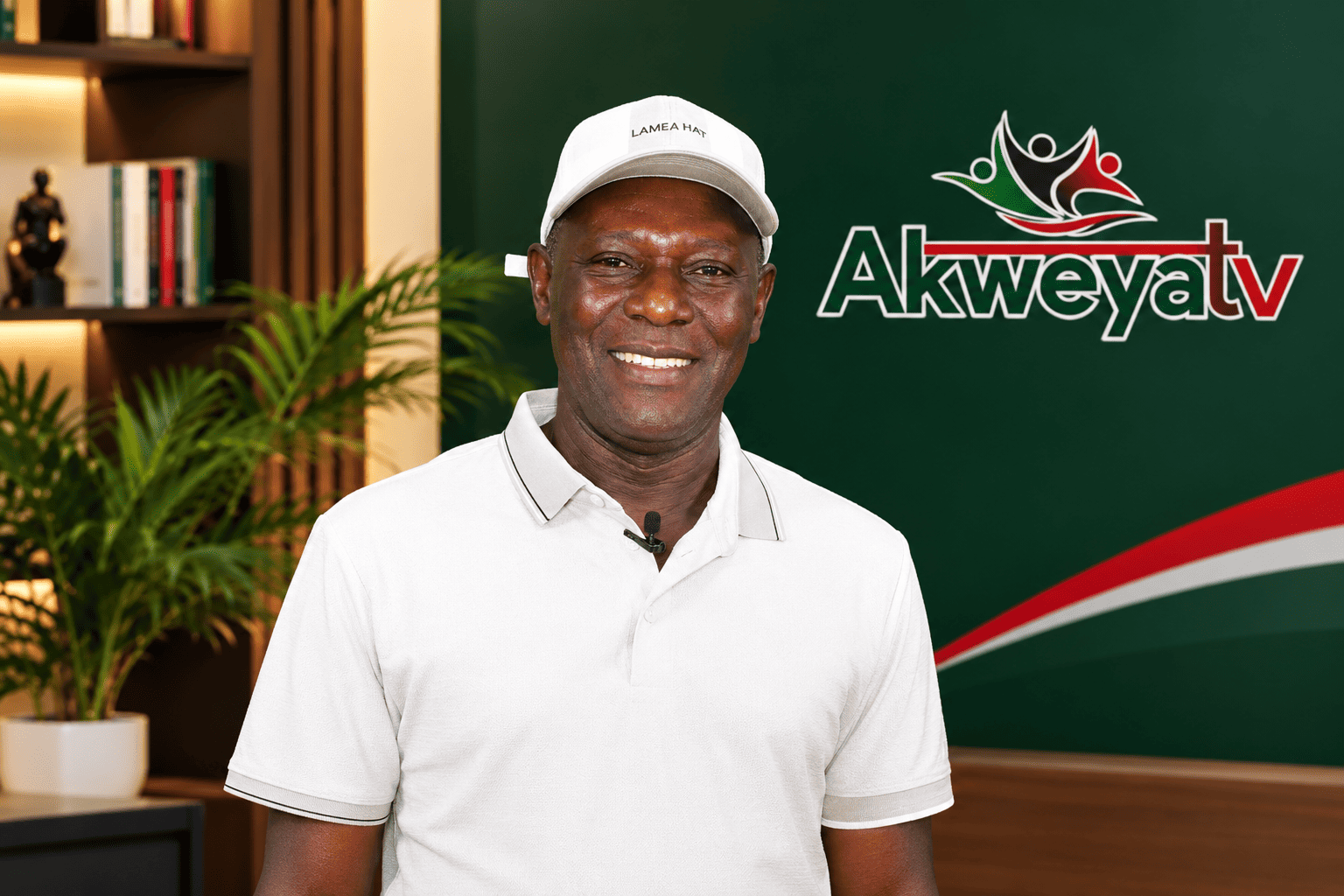

Electrical engineer Engr. Raphael Idoko has outlined an ambitious vision to make the Akweya people one of Nigeria’s most educated sub-tribal communities within the next decade, calling for greater investment in professional education, technical training and access to national institutions.
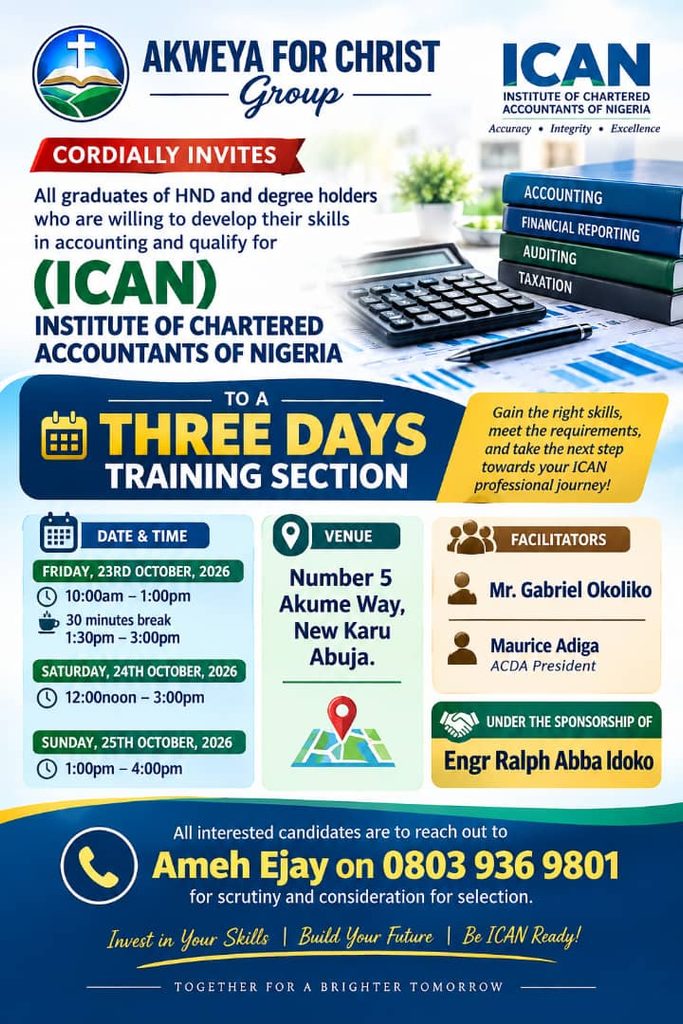
Idoko shared the vision during an interview with AkweyaTV in Abuja on Monday, 26 October 2026, following an accounting training initiative designed to equip Akweya graduates with professional knowledge and improve their employment prospects.
He said the accounting programme was only the beginning of a broader effort to expand educational and career opportunities for young people, particularly those whose qualifications and abilities have not translated into sufficient employment opportunities.
According to Idoko, the initiative introduced participants to basic accounting and prepared them to pursue professional qualifications through the Institute of Chartered Accountants of Nigeria (ICAN). He hopes that continued training and mentorship will help produce approximately 10 new chartered accountants from Akweya land within the next two to four years.
However, his plans extend well beyond accounting. Idoko said he intends to work with professionals and community leaders to explore opportunities in engineering, information and communications technology, and other technical fields, including mechanical engineering, hydraulics, plumbing and carpentry.
He also revealed plans to pursue wider access to educational and professional institutions, including the Nigerian Defence Academy, the Police Academy, the Federal University of Petroleum Resources and maritime training institutions.
- How Eze Onyekpere Advances Accountability And Human Rights In Nigeria
- Akweya Youths Find New Hope Through Accounting
- Nigeria’s Nonprofits Drive Billions in Economic Growth
- DEVELOPMENT INSIGHTS MORNING BRIEF 26 OCTOBER, 2026
- ENTERTAINMENT & LIFESTYLE BRIEF 24 October, 2026
Idoko said the objective is to create more pathways through which Akweya people can acquire relevant qualifications, develop practical skills and compete for opportunities across Nigeria and internationally.
He pointed to the resilience of people from the community, arguing that the difficult conditions in some rural environments demonstrate their capacity to overcome challenges when given the right support and opportunities.
For him, the challenge is to harness that resilience and combine it with education, professional mentorship and better access to resources.
He also highlighted the importance of collaboration, acknowledging the encouragement he receives from fellow engineers, community figures and other Akweya professionals. He said discussions with prominent members of the community, including Diego Okenyodo and the Akweya Community Development Association president, form part of his efforts to broaden the initiative.
Idoko stressed that the work cannot be accomplished by one person alone. Instead, he believes that professionals, community leaders and other stakeholders must work together to create sustainable opportunities for younger generations.
His vision is to see Akweya professionals living and working in places such as New York, Tokyo and Singapore, contributing to the global economy while helping to transform their communities back home.
He also hopes that those who benefit from educational and professional opportunities will eventually support others, creating a cycle of mentorship, skills development and community investment.
Reflecting on the motivation behind his efforts, Idoko said the achievements and encouragement of fellow Akweya people continue to inspire him. He described the initiative as a collective undertaking rather than an individual accomplishment.
We have a lot of input from a lot of people, and I think together we can achieve more for our people, he said.
With plans for additional accounting classes and broader technical training, Idoko’s long-term ambition is to help build a generation of educated, skilled and globally competitive Akweya people.



