
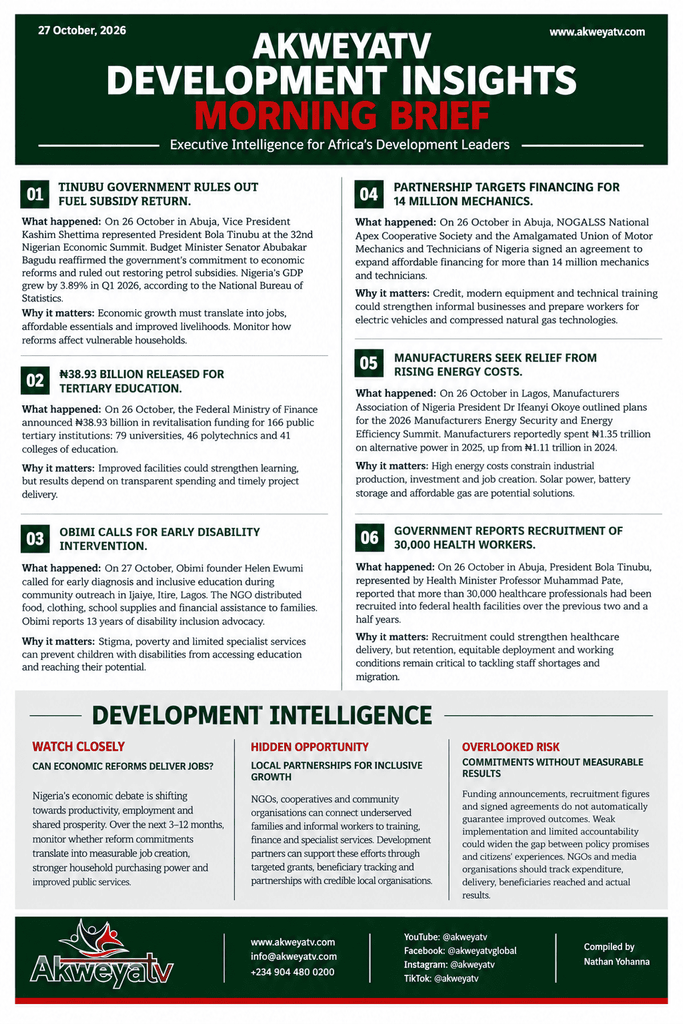
Tinubu Government Rules Out Fuel Subsidy Return
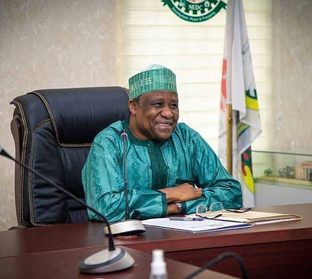
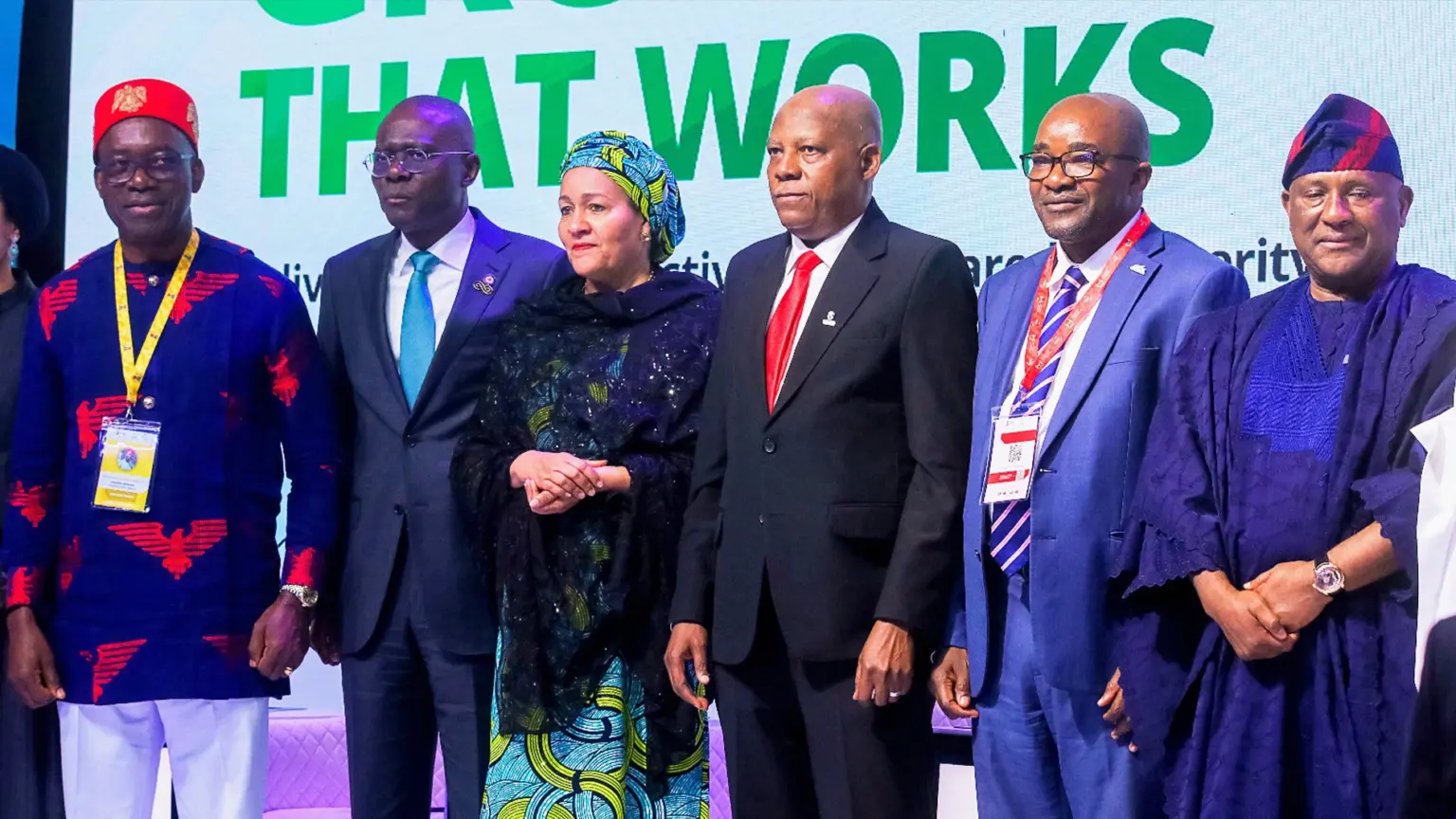
What happened: On 26 October in Abuja, Vice President Kashim Shettima represented President Bola Tinubu at the 32nd Nigerian Economic Summit. Budget Minister Senator Abubakar Bagudu reaffirmed the government’s commitment to economic reforms and ruled out restoring petrol subsidies. Nigeria’s GDP grew by 3.89% in Q1 2026, according to the National Bureau of Statistics.
Why it matters: Economic growth must translate into jobs, affordable essentials and improved livelihoods. Decision-makers should monitor the effects of reforms on vulnerable households.
₦38.93 Billion Released for Tertiary Education
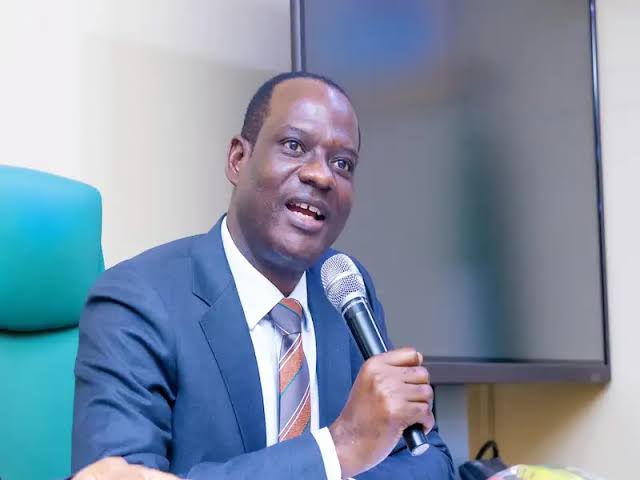
What happened: On 26 October, the Federal Ministry of Finance announced ₦38.93 billion in revitalisation funding for 166 public tertiary institutions, including 79 universities, 46 polytechnics and 41 colleges of education.
Why it matters: Improved facilities could strengthen learning, but results depend on transparent spending and timely project delivery.
Obimi Calls for Early Disability Intervention
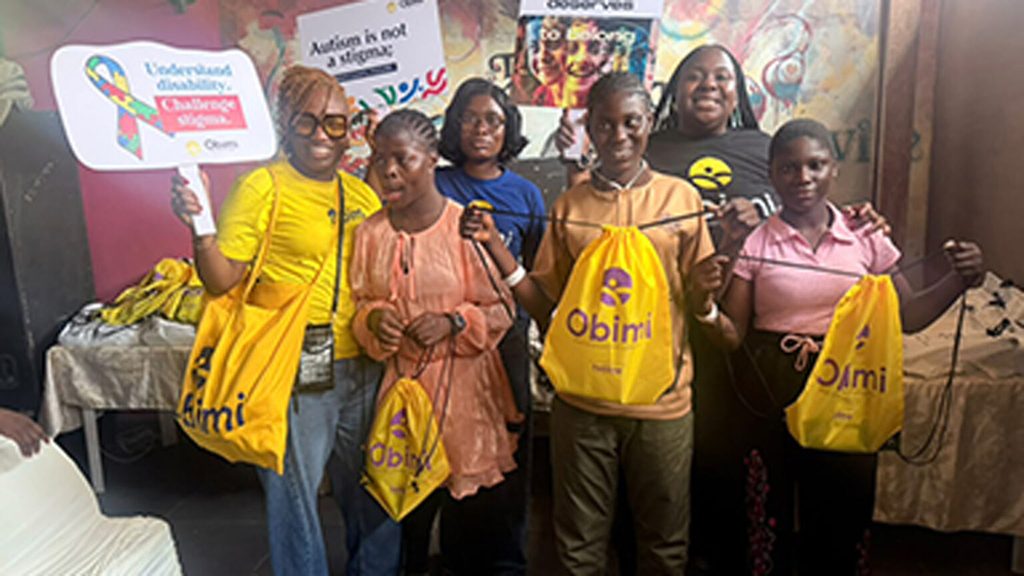
What happened: On 27 October, Obimi founder Helen Ewumi called for early diagnosis and inclusive education during a community outreach in Ijaiye, Itire, Lagos. The NGO distributed food, clothing, school supplies and financial assistance to families. Obimi reports 13 years of disability inclusion advocacy.
Why it matters: Stigma, poverty and limited specialist services can prevent children with disabilities from accessing education and reaching their potential.
Partnership Targets Financing for 14 Million Mechanics
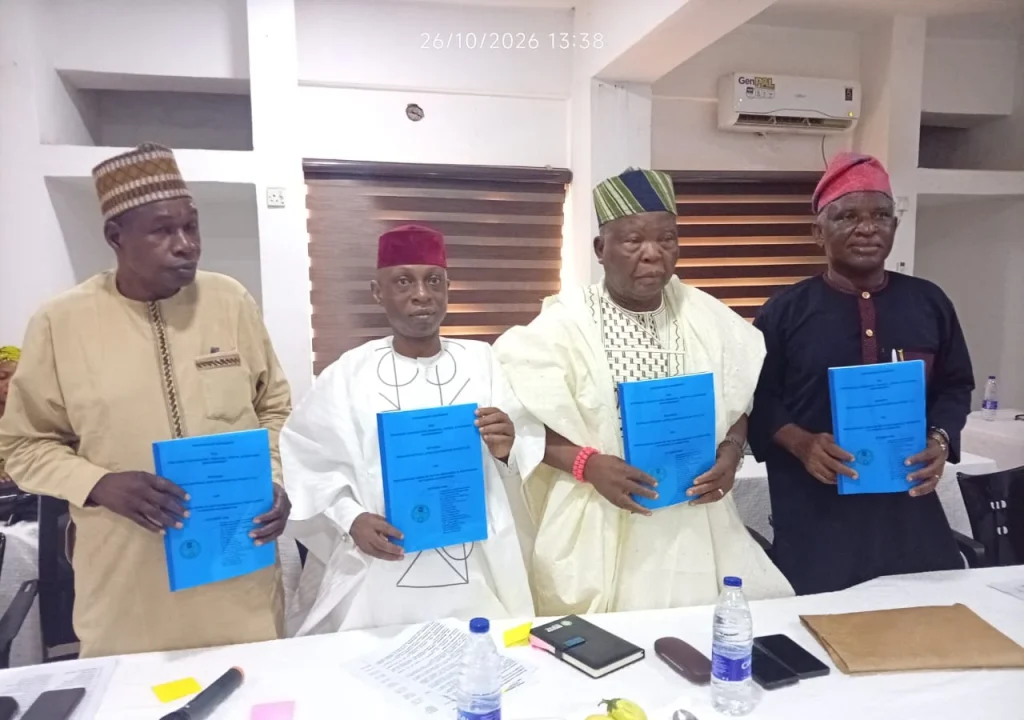
What happened: On 26 October in Abuja, NOGALSS National Apex Cooperative Society and the Amalgamated Union of Motor Mechanics and Technicians of Nigeria signed an agreement to expand affordable financing for more than 14 million mechanics and technicians.
Why it matters: Credit, modern equipment and technical training could strengthen informal businesses and prepare workers for electric vehicles and compressed natural gas technologies.
- Nigeria Builds Global Alliance to Fight Child Malnutrition
- NEMA Advises Nigerians On Safety Measures Against El Niño Risks
- House Of Representatives Considers Bill To Limit Advance Rent In Abuja
- Cognitive Distortions: When Your Thoughts Become Your Worst Enemy
- Nigeria Launches Historic Pan-African Film Campaign
Manufacturers Seek Relief From Rising Energy Costs
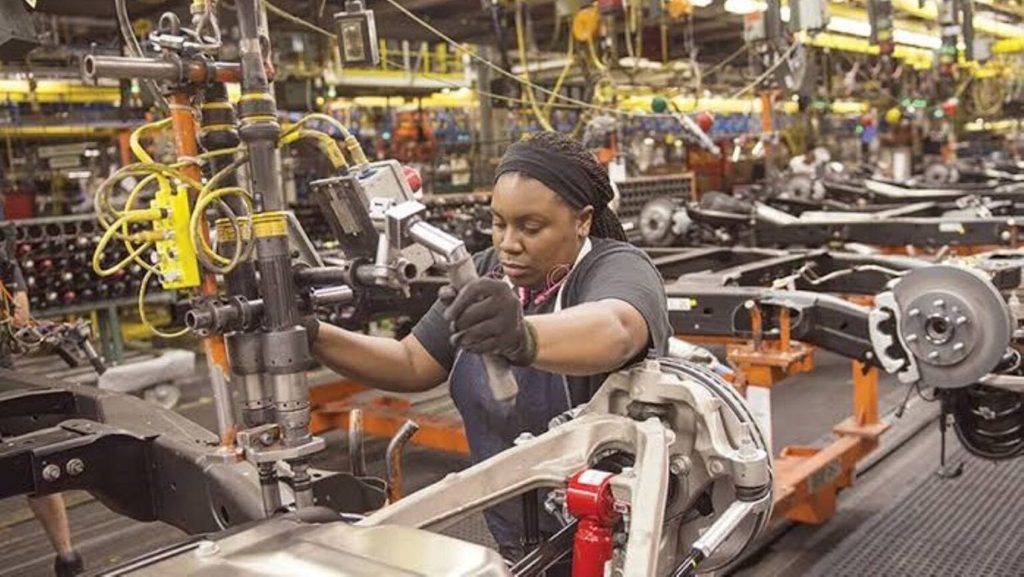
What happened: On 26 October in Lagos, Manufacturers Association of Nigeria President Dr Ifeanyi Okoye outlined plans for the 2026 Manufacturers Energy Security and Energy Efficiency Summit. Manufacturers reportedly spent ₦1.35 trillion on alternative power in 2025, up from ₦1.11 trillion in 2024.
Why it matters: High energy costs constrain industrial production, investment and job creation. Solar power, battery storage and affordable gas are potential solutions.
Government Reports Recruitment of 30,000 Health Workers
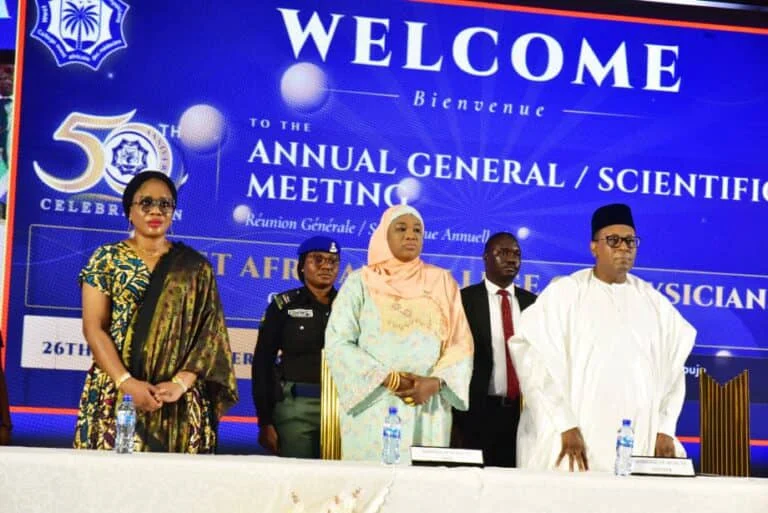
What happened: On 26 October in Abuja, President Bola Tinubu, represented by Health Minister Professor Muhammad Pate, reported that more than 30,000 healthcare professionals had been recruited into federal health facilities over the previous two and a half years.
Why it matters: Recruitment could strengthen healthcare delivery, but retention, equitable deployment and working conditions remain critical to tackling staff shortages and migration.
DEVELOPMENT INTELLIGENCE
WATCH CLOSELY — Can Economic Reforms Deliver Jobs?
Nigeria’s economic debate is shifting towards productivity, employment and shared prosperity. Over the next 3–12 months, monitor whether reform commitments translate into measurable job creation, stronger household purchasing power and improved public services.
HIDDEN OPPORTUNITY — Local Partnerships for Inclusive Growth
NGOs, cooperatives and community organisations can connect underserved families and informal workers to training, finance and specialist services. Development partners can support these efforts through targeted grants, beneficiary tracking and partnerships with credible local organisations.
OVERLOOKED RISK — Commitments Without Measurable Results
Funding announcements, recruitment figures and signed agreements do not automatically guarantee improved outcomes. Weak implementation and limited accountability could widen the gap between policy promises and citizens’ experiences. NGOs and media organisations should track expenditure, delivery, beneficiaries reached and actual results.
Compiled by Nathan Yohanna
For inqiuries
YouTube: @akweyatv
Facebook: @akweyatvglobal
Instagram: @akweyatv
TikTok: @akweyatv