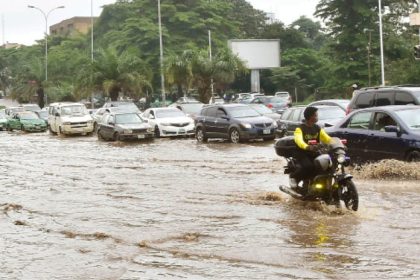

The National Emergency Management Agency (NEMA) has urged Nigerians to take precautionary measures against the possible effects of El Niño, which can influence temperatures and rainfall patterns and increase the risk of extreme heat, drought and flooding in some areas.
In an advisory titled “Super El Niño Is Coming: What You Can Do to Protect Yourself, Your Family and Your Community,” the agency outlined practical steps individuals, households and communities can take to protect their health, food supplies and livelihoods.
El Niño is a natural climate phenomenon that occurs when sea surface temperatures in parts of the tropical Pacific Ocean become warmer than normal. It can affect weather patterns across the world, although the impact varies from one region to another.
- Nigeria Builds Global Alliance to Fight Child Malnutrition
- NEMA Advises Nigerians On Safety Measures Against El Niño Risks
- House Of Representatives Considers Bill To Limit Advance Rent In Abuja
- Cognitive Distortions: When Your Thoughts Become Your Worst Enemy
- Nigeria Launches Historic Pan-African Film Campaign
The Nigerian Meteorological Agency (NiMet), in its 2026 seasonal climate update, reported the development of a strong El Niño event and highlighted its possible implications for temperatures and rainfall patterns in Nigeria.
NEMA advised Nigerians to take the following precautions to reduce potential risks.
Precautions Against El Niño
1. Avoid Excessive Exposure to Heat
- Limit outdoor activities between 11 a.m. and 4 p.m. when temperatures are high.
- Drink clean water regularly to prevent dehydration.
- Wear light clothing and use hats or caps when outdoors.
- Check on children, older people and others who may be more vulnerable to extreme heat.
2. Conserve Water
- Use water wisely and repair leaking taps and pipes.
- Store water in clean, covered containers.
- Keep water sources and surroundings clean to prevent contamination.
3. Maintain Good Hygiene
- Keep your environment clean to reduce the risk of disease.
- Practise regular handwashing and proper sanitation.
- Seek medical attention promptly when you feel unwell.
4. Prepare for Possible Food Shortages
- Keep essential food supplies for emergencies.
- Support local farming and home gardening where possible.
- Protect livestock and poultry from extreme heat.
- Explore available agricultural support programmes.
5. Protect Farming and Livelihoods
- Consider drought resistant crops and improved farming methods where suitable.
- Follow weather forecasts when planning farming activities.
- Explore alternative sources of income where possible.
- Take advantage of relevant government and agricultural support programmes.
6. Stay Informed
- Follow weather updates from NEMA and NiMet.
- Pay attention to official warnings about extreme heat, rainfall and other hazards.
- Share verified safety information with family members and neighbours.
- Report emergencies to the appropriate authorities.
7. Support Community Safety
- Participate in community emergency preparedness activities.
- Share early warnings and safety information with others.
- Check on vulnerable people in your neighbourhood.
- Work with community leaders to identify and respond to potential risks.
NEMA’s advisory highlights the importance of early preparation, reliable weather information and community cooperation in reducing the potential impact of climate related hazards.
For more news, information and stories visit: https://www.akweyatv.com/