
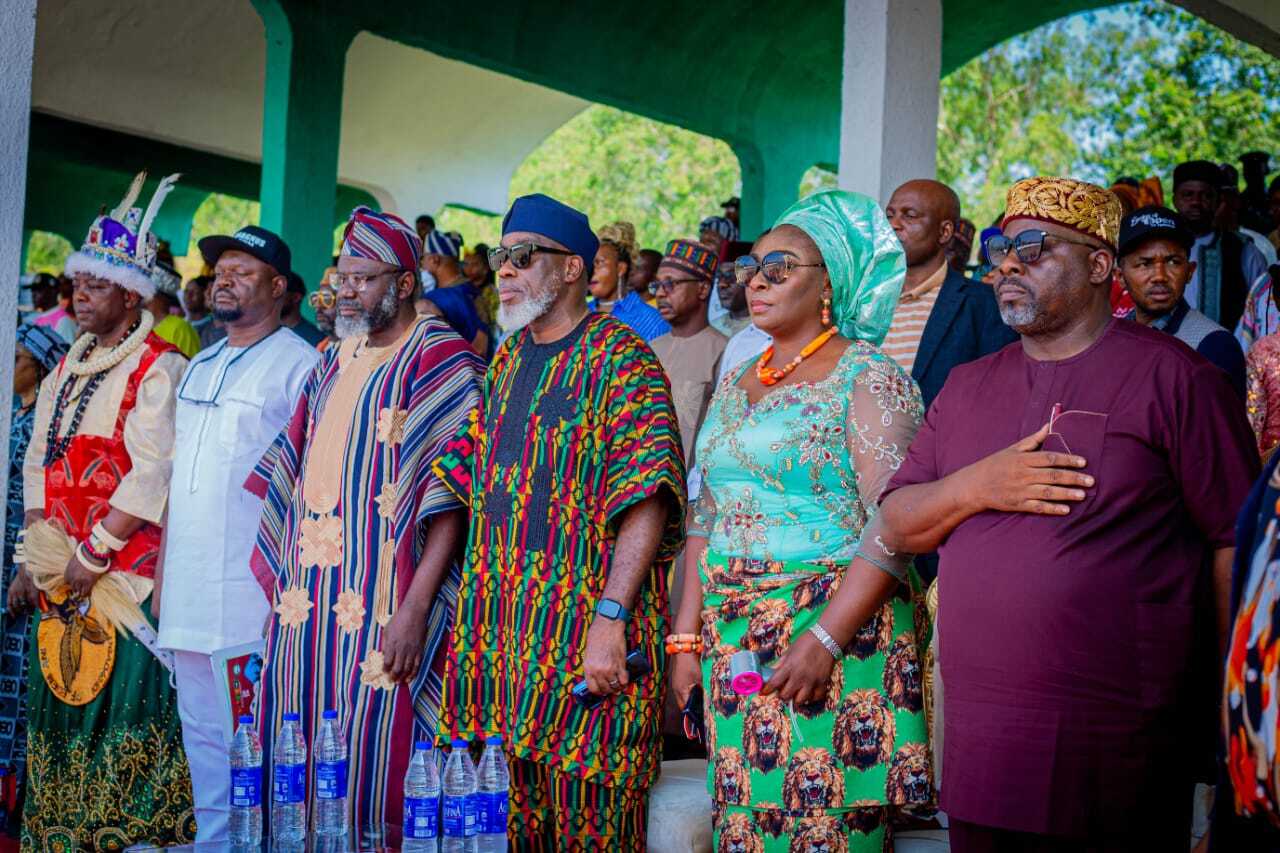

The 37th National Festival of Arts and Culture (NAFEST 2026) has opened in Enugu State, bringing together delegates from across the country for an eight day celebration of Nigeria’s rich cultural heritage.
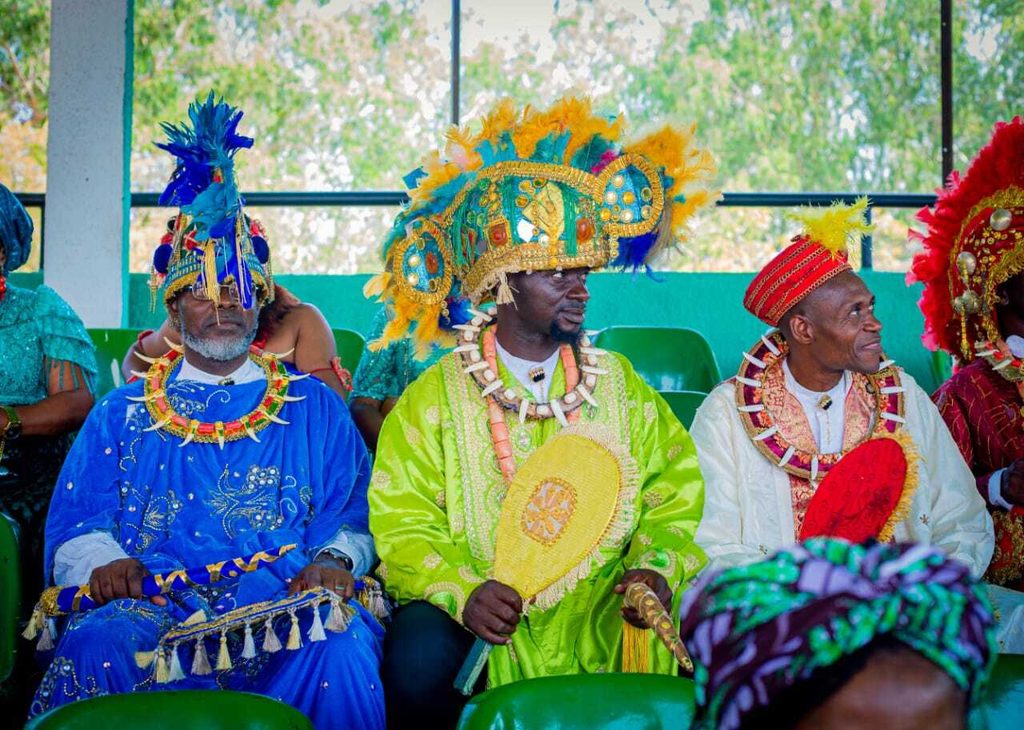
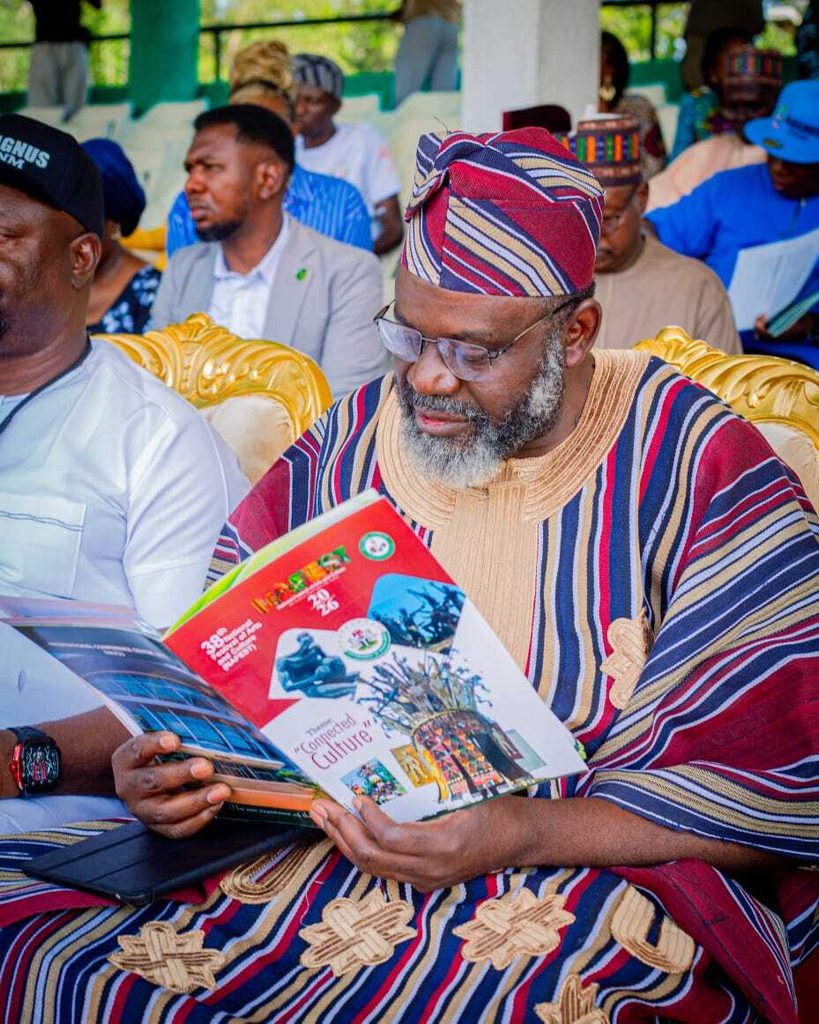
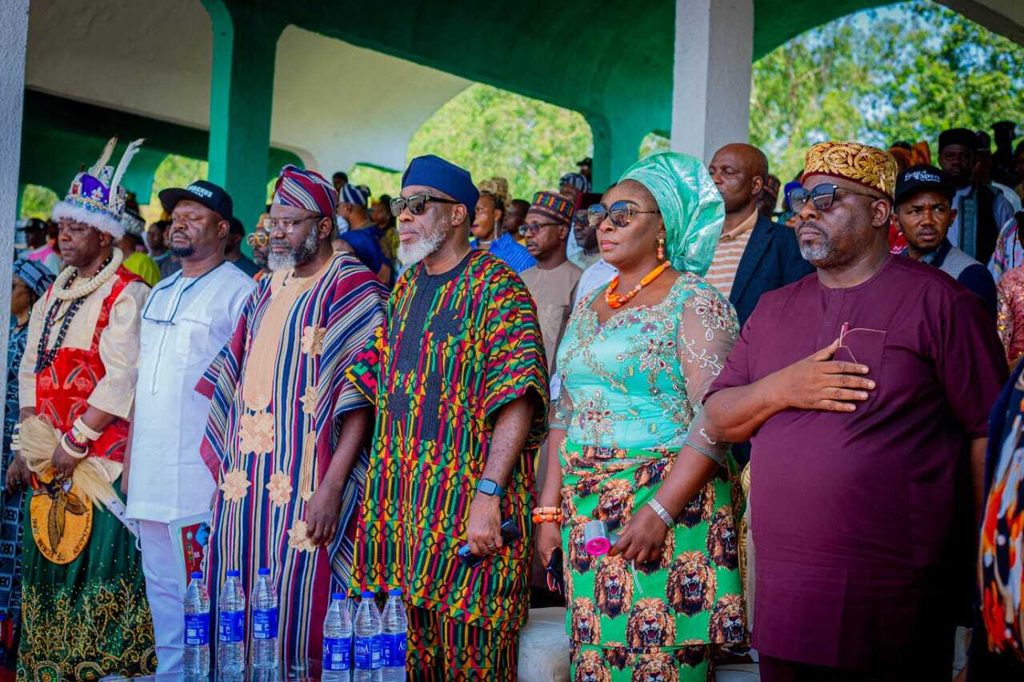
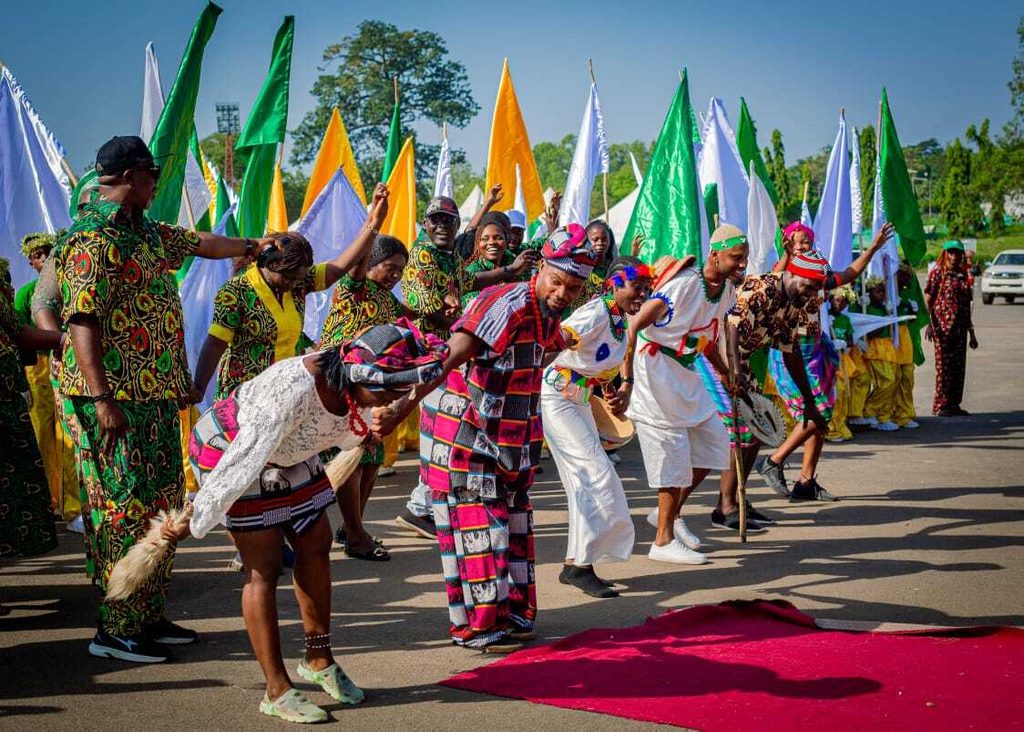
The opening ceremony, held on Saturday, November 21, at Michael Okpara Square, Enugu, featured colourful cultural displays, traditional performances and a parade of masquerades, as participating states showcased aspects of their cultural identities.
With the theme “Connected Culture,” this year’s festival seeks to strengthen national unity, encourage cultural exchange and highlight the role of culture in Nigeria’s economic development.
- NAFEST 2026 Opens In Enugu Celebrating Nigeria’s Cultural Diversity
- FG Pushes States Towards Safer Motherhood
- Over 425 People Pack Somaliland Film Screening
- African Films Set For Historic 21-Nation Showcase
- DEVELOPMENT INSIGHTS MORNING BRIEF, 20 November 2026
Enugu Governor Calls For Unity Through Cultural Diversity
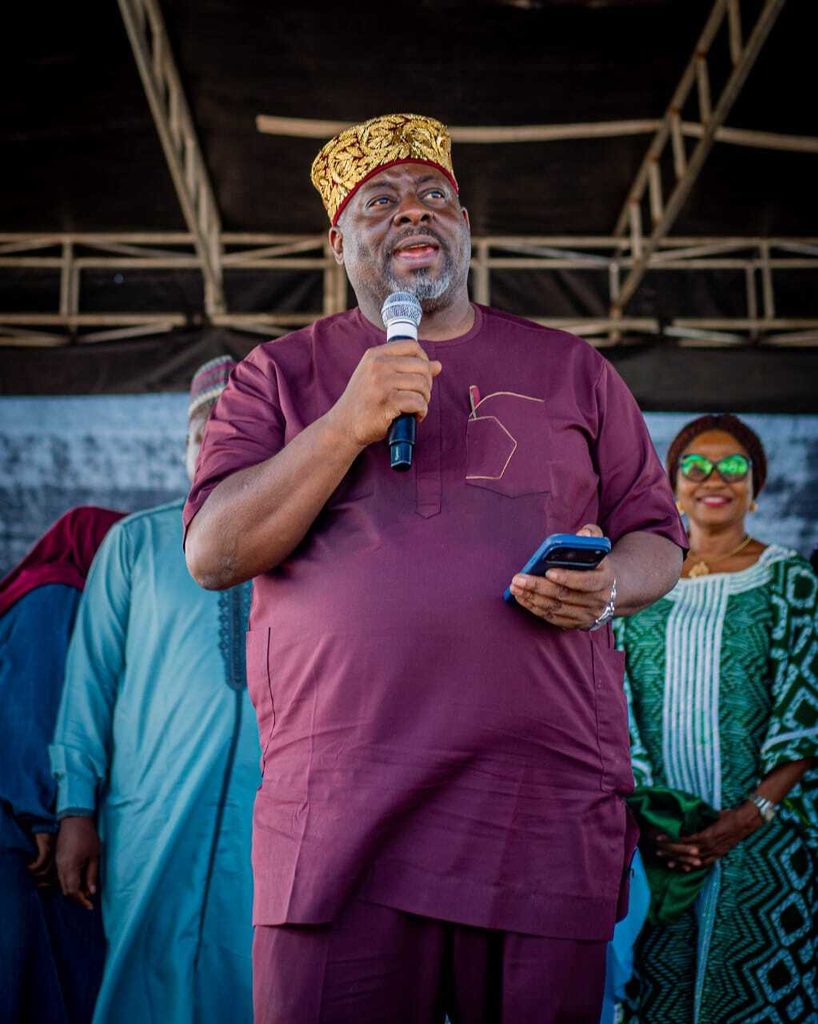
Declaring the festival open, Enugu State Governor, Dr Peter Mbah, represented by the Secretary to the State Government, Professor Chidiebere Onyia, described NAFEST as an opportunity for Nigerians to appreciate their shared identity and celebrate the country’s cultural differences.
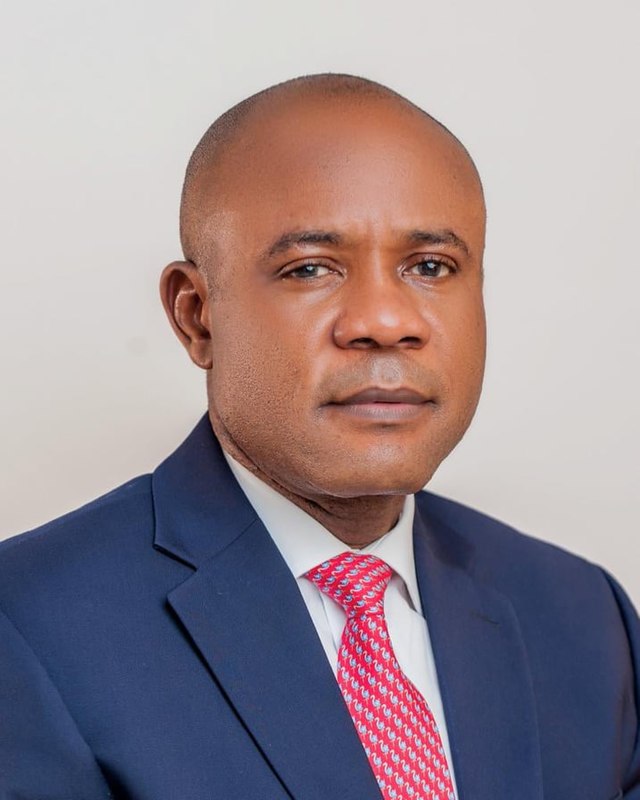
He said the significance of the festival went beyond the performances, costumes and music, noting that it was also about the connections and sense of belonging created among Nigerians.
“What we celebrate here this week is not just art, not just performance, not just heritage we celebrate the soul of Nigeria,” he said.
The governor also highlighted the economic opportunities that could emerge from Nigeria’s cultural resources if they were properly developed and connected to business.
He explained that his administration was working towards expanding Enugu’s economy sevenfold, with investments in digital infrastructure, the creative industry and an environment that supports businesses.
According to him, the state was focused on creating opportunities for young people, developing local talents and turning cultural activities into viable businesses and globally recognised brands.
He further stressed that Nigeria’s diversity should bring people together rather than create divisions.
“The greatest beauty of Nigeria is not that we are all the same, but that we can be different and still belong to one another,” he said.
Federal Government Highlights Economic Value Of Culture
The Minister of Arts, Culture, Tourism and the Creative Economy, Hannatu Musa Musawa, described NAFEST as an important platform for promoting Nigeria’s identity, creativity and national cohesion.
Represented by the ministry’s Permanent Secretary, Dr Abdulkareem Ibrahim, the minister said the Federal Government was moving beyond treating culture as entertainment to recognising its contribution to employment, economic growth and national development.
She noted that Nigeria’s more than 250 ethnic groups and over 500 languages represent valuable cultural resources that could create opportunities for investment and international engagement.
“We are treating culture as economy, culture as employment, culture as diplomacy, culture as nation-building,” she stated.
Musawa identified music, fashion, film, crafts, tourism, gaming and content creation as areas with significant potential for investment and job creation.
She also urged young Nigerians to take pride in their cultural heritage, learn their indigenous languages and develop their traditional skills while using technology and innovation to reach wider audiences.
“Do not abandon your culture in search of identity. Learn your language. Learn your dance. Learn your craft. And then use technology, use innovation, use enterprise to take that culture to the world,” she urged.
The minister also called on state commissioners to work closely with the ministry in promoting Nigerian cultural performances and creative products internationally.
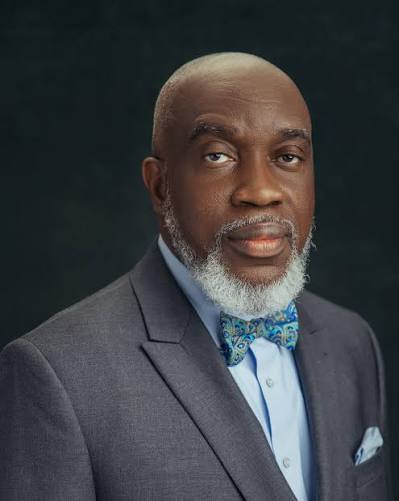
The Director-General of the National Council for Arts and Culture (NCAC), Chief Obi Asika, encouraged participants to use the festival to develop their skills, build professional relationships and explore opportunities within the creative industry.
He explained that NAFEST was more than a platform for cultural performances and competitions, as it also provided opportunities for artisans, designers and young creatives to exchange ideas and develop sustainable careers.
Asika urged young people to participate in the festival’s capacity-building workshops and digital skills programmes.
He also encouraged them to connect with professionals in film, music, animation and storytelling, noting that such interactions could help them develop their talents and build lasting opportunities within the creative economy.
Enugu Welcomes Delegates As NAFEST Returns After Nearly Two Decades
Earlier, the Enugu State Commissioner for Culture and Tourism, Dame Ugochi Madueke, welcomed delegates and assured them of a memorable and well-organised festival.
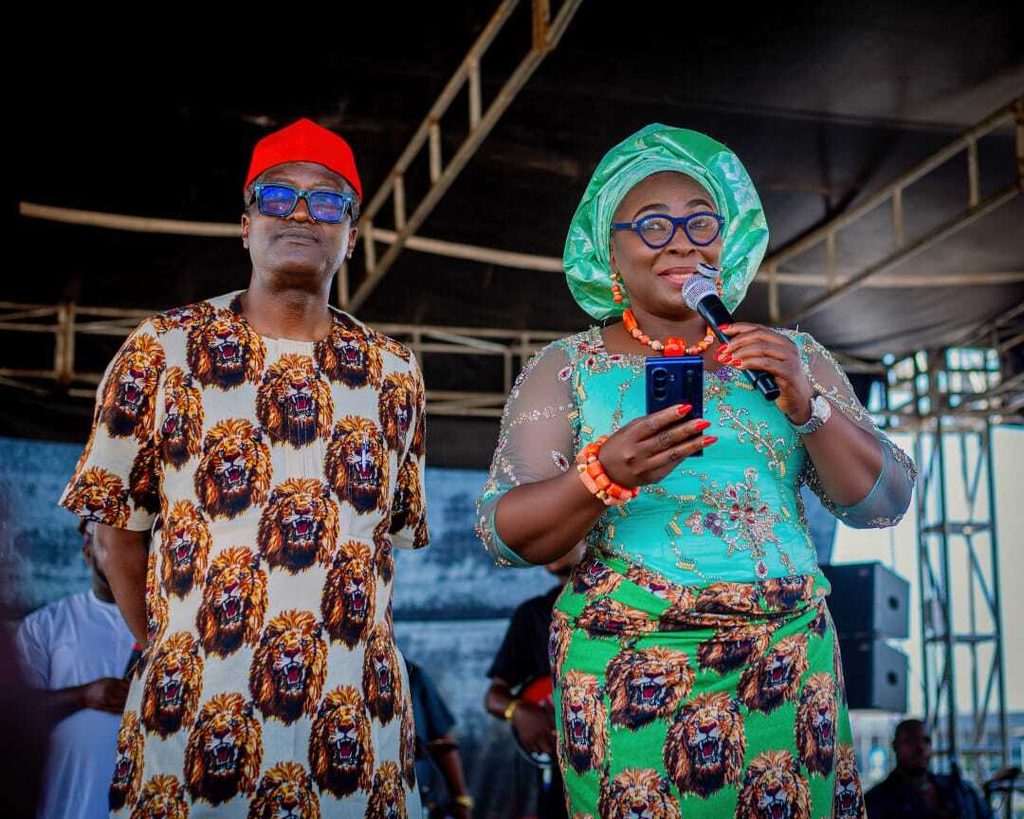
She described Enugu’s return as host of NAFEST after nearly two decades as an important moment for the state.
Madueke thanked Governor Mbah for his support and encouraged residents to make visitors feel welcome by showcasing Enugu’s hospitality, food, music and cultural heritage.
She acknowledged the responsibility of hosting a national festival of such scale but expressed confidence in her team’s ability to deliver a successful event.
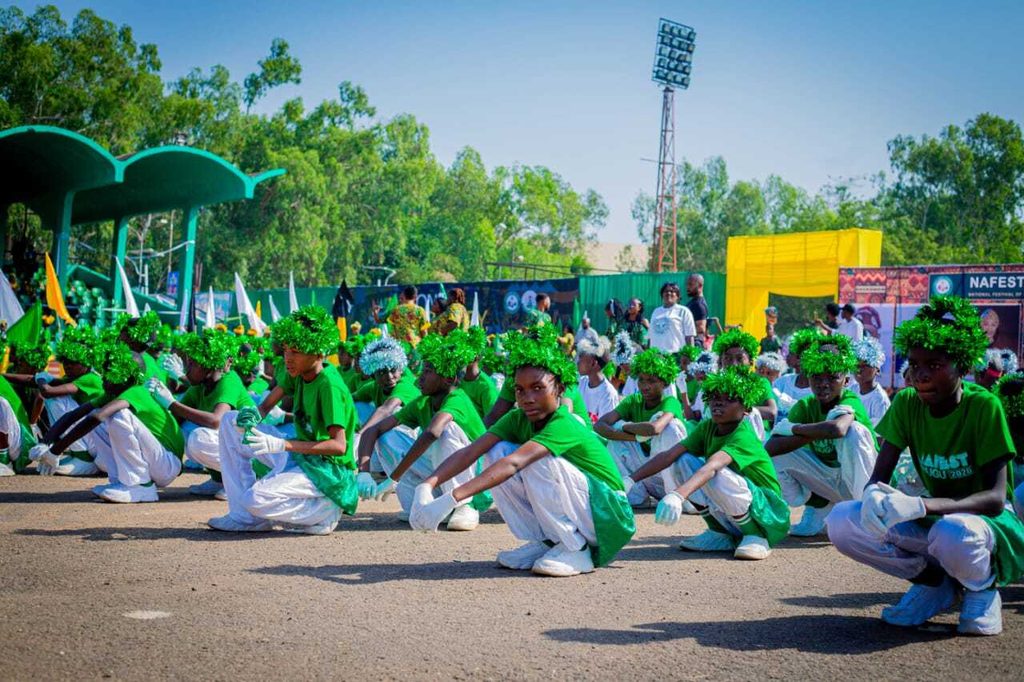
The opening ceremony featured several cultural presentations, including a calisthenics performance by pupils of Enugu Smart Green School, Owo.
The pupils impressed the audience with carefully coordinated formations through which they displayed different words and messages, earning a standing ovation.
An elaborate parade of masquerades representing various local government areas in Enugu State also added colour to the event.
For more news, updates and stories, visit: https://www.akweyatv.com/


