
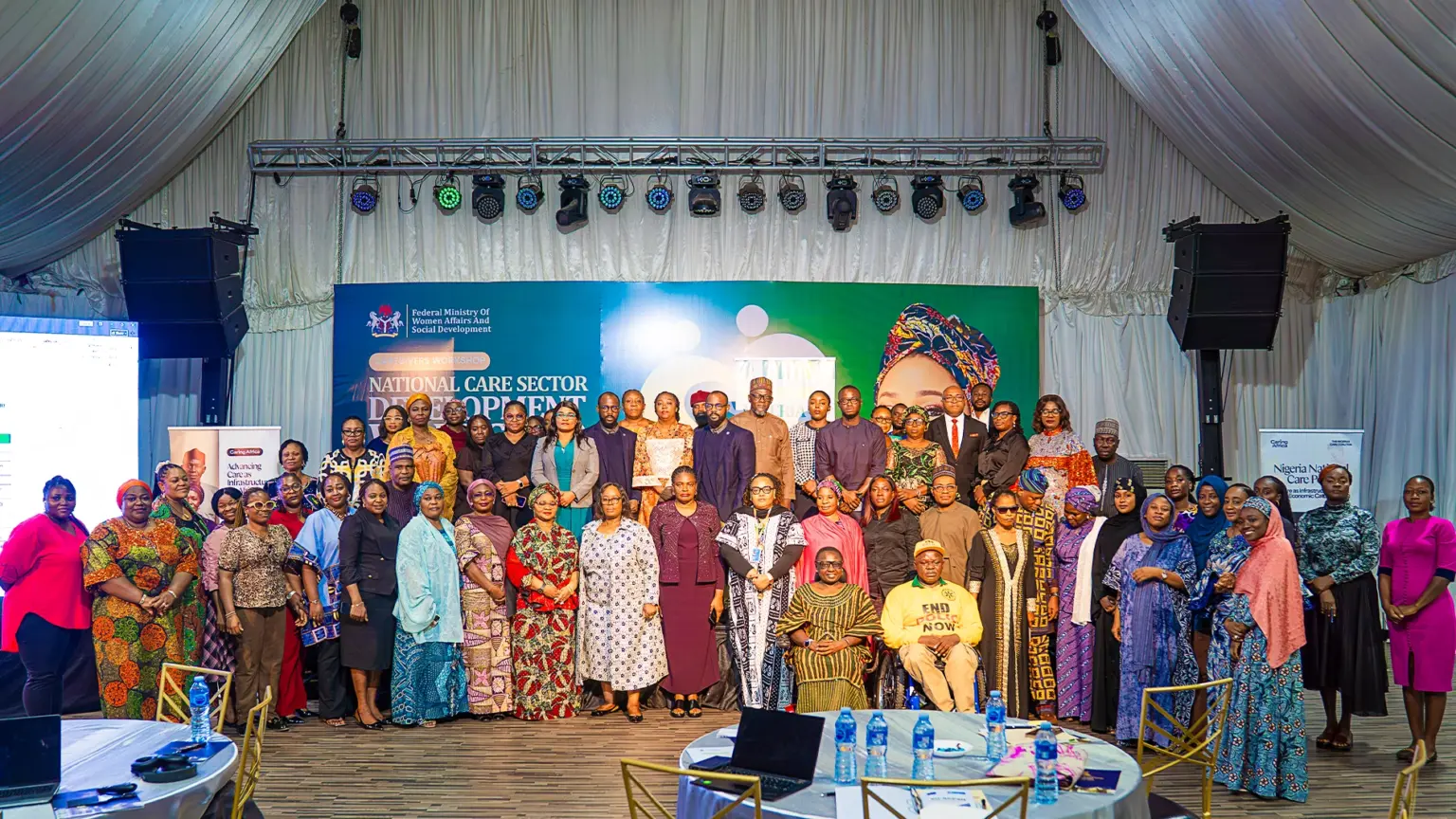

FG MOVES TO ESTABLISH NATIONAL CARE ECONOMY
WHAT HAPPENED: On 16 September in Abuja, Permanent Secretary Esuabana Nko Asanye, Federal Ministry of Women Affairs and Social Development, said Nigeria is moving toward a National Care Policy. Stakeholders reviewed the draft policy, which is targeted for submission on 29 October.
WHY IT MATTERS: The proposed framework would cover childcare, maternal and newborn care, elderly and disability support, care workers, financing and regulation. The ministry estimates women and girls perform about 80% of unpaid care work, limiting their participation in paid employment and entrepreneurship.
IMPLICATION: The care sector could become a new development-finance, jobs and social-protection opportunity.
ACTIONAID-LED GROUPS PROTEST RISING DEBT
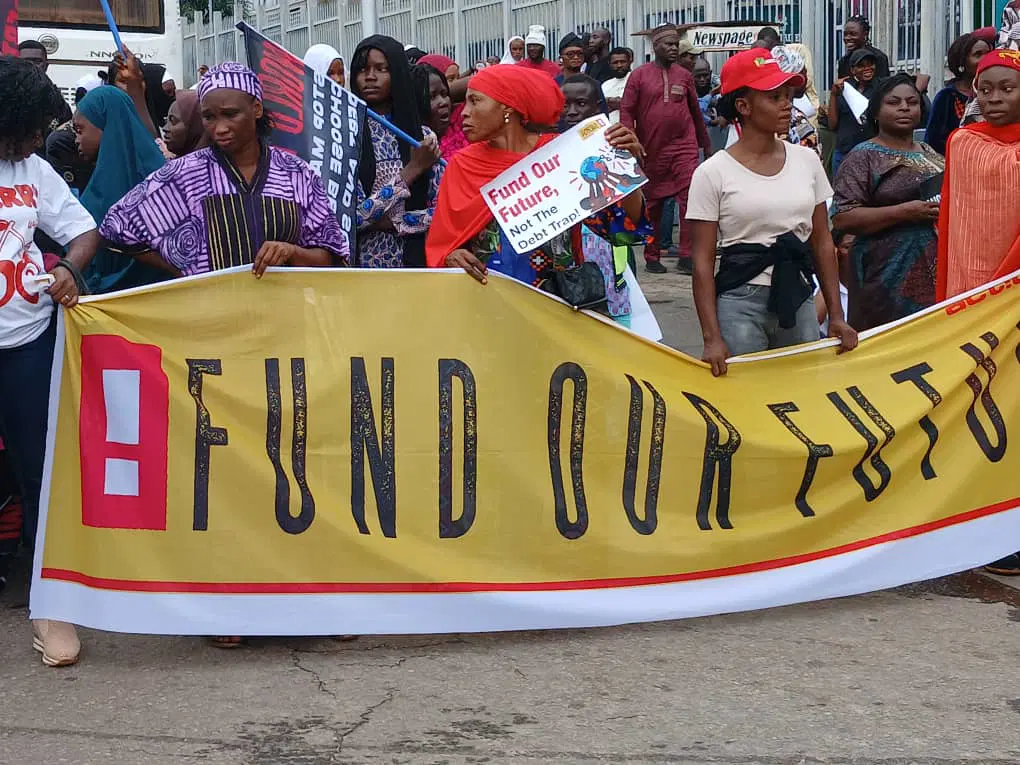
WHAT HAPPENED: On 17 September, ActionAid Nigeria, market women, university students and other CSOs protested at the Federal Ministry of Finance in Abuja over Nigeria’s rising debt stock and continued borrowing.
WHY IT MATTERS: Protesters argued that debt servicing is putting pressure on resources needed for health, education and infrastructure. They also called on international lenders, including the World Bank and IMF, to reconsider further lending to Nigeria.
IMPLICATION: Fiscal policy and debt-service costs remain important signals for organisations tracking public spending and development financing.
ONLY 443 WOMEN AMONG 4,408 2027 NASS CANDIDATES
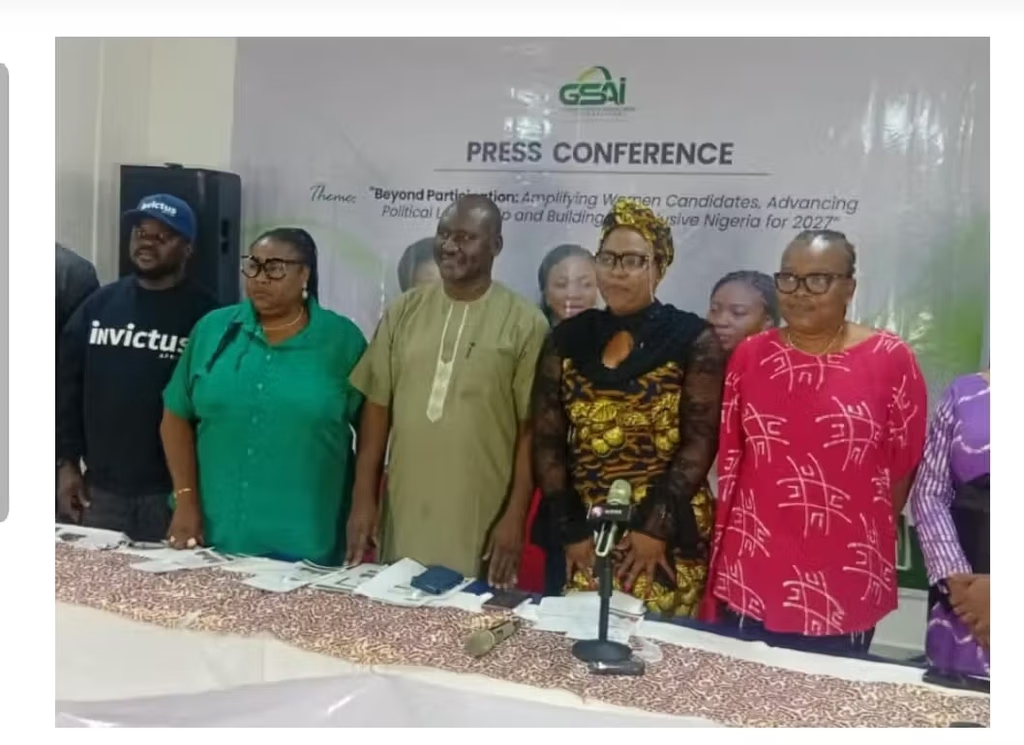
WHAT HAPPENED: On 17 September in Abuja, GSAI, PWAN, CISLAC and PAACA said only 443 women are among the 4,408 candidates cleared by INEC for the 469 Senate and House of Representatives seats in 2027. The figure comprises 115 Senate and 328 House candidates.
WHY IT MATTERS: The CSOs identified campaign costs, party structures, political violence and limited media visibility as barriers to women’s participation. Jigawa, Nasarawa, Niger and Yobe reportedly have no female senatorial candidate.
IMPLICATION: Women’s political participation is becoming a major civic-space and governance issue ahead of 2027.
CIVIC-SPACE PRESSURE REMAINS UNDER SCRUTINY
WHAT HAPPENED: Recent legal disputes involving SERAP, the DSS, Professor Pat Utomi and activist-journalist Omoyele Sowore have renewed debate over freedom of expression, public-interest advocacy and the use of legal processes against critics. SERAP is appealing a ₦100 million FCT High Court judgment against the organisation.
WHY IT MATTERS: The cases are being watched by Nigerian and international civil-society groups concerned about the operating environment for NGOs, journalists and human-rights defenders.
IMPLICATION: Advocacy organisations should strengthen legal-risk management, documentation and protection of civic-space work.
OVER 200 CHURCHES DESTROYED IN MAIDUGURI DIOCESE
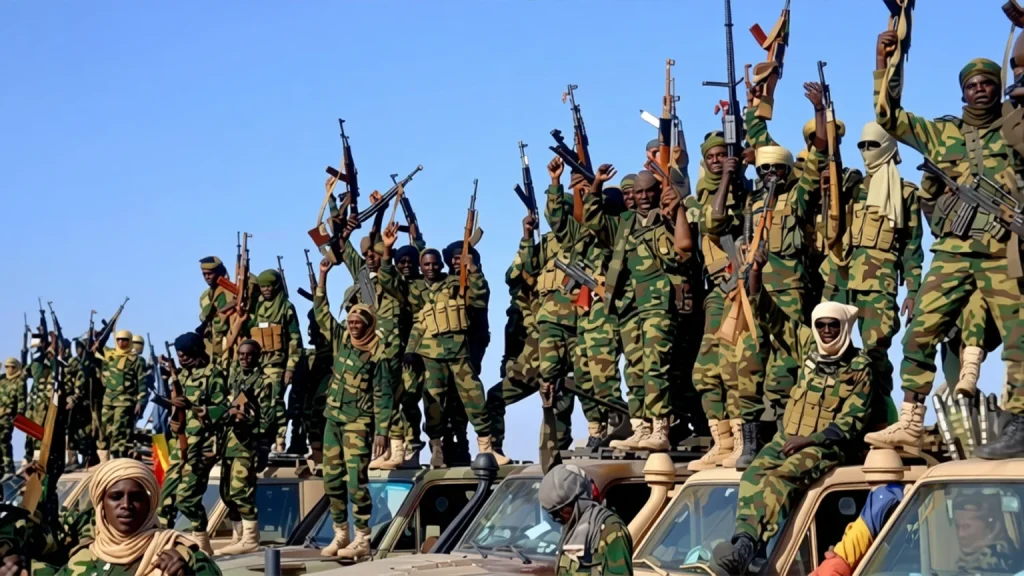
WHAT HAPPENED: Auxiliary Bishop John Bogna Bakeni said more than 200 Catholic churches have been destroyed across the Maiduguri Diocese during years of North-East insurgency. Speaking during Catholic Bishops’ Conference activities in Osun, he also said thousands of Christians and Muslims had been killed.
WHY IT MATTERS: The account highlights the long-term humanitarian impact of insecurity, including displacement, destruction of community infrastructure and disruption of social services.
IMPLICATION: Recovery efforts require more than security operations—reconstruction, livelihoods, peacebuilding and community resilience remain critical.
GAFAMORG LAUNCHES “OCTOBER 1 WAGE WATCH 2026”
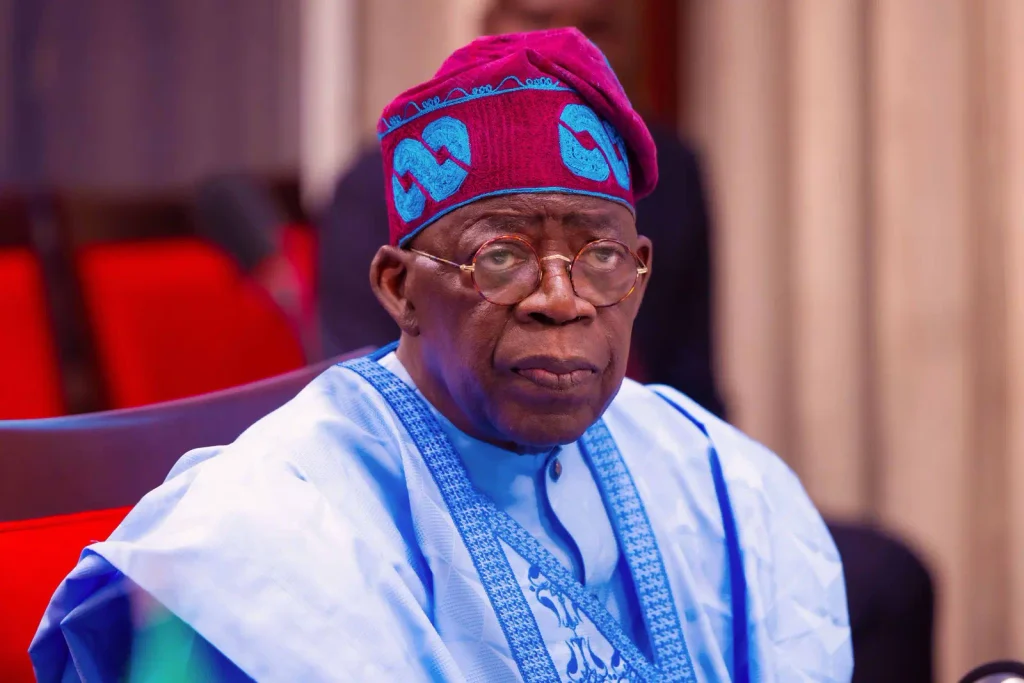
WHAT HAPPENED: On 17 September, the Gani Fawehinmi Memorial Organisation launched October 1 Wage Watch 2026, calling for any future minimum-wage proposal to be assessed by what workers can actually afford to buy. GAFAMORG stressed that it was not claiming the Federal Government plans a new wage announcement on 1 October.
WHY IT MATTERS: The initiative shifts attention from the headline wage figure to food, transport, housing, energy, inflation and future review mechanisms. Nigeria’s current national minimum wage is ₦70,000, established in 2024.
IMPLICATION: Development actors should track real purchasing power alongside nominal wage increases.
WATCH CLOSELY
THE CARE ECONOMY AS DEVELOPMENT INFRASTRUCTURE
Nigeria’s emerging care-economy debate connects women’s employment, childcare, social protection, health, jobs and human capital. Watch the National Care Policy’s financing model, care-worker certification and implementation responsibilities ahead of its proposed 29 October submission.
HIDDEN OPPORTUNITY
IMPLEMENTATION TRACKING: NGOs, researchers and media organisations can build simple trackers comparing government commitments, budgets, responsible agencies, deadlines and actual delivery.
OVERLOOKED RISK
IMPLEMENTATION CAPACITY: Nigeria is developing multiple new agendas simultaneously. Without clear financing, responsibilities and measurable indicators, policy ambition could outpace delivery.
Compiled by Nathan Yohanna
For more inquiries:
Website: www.akweyatv.com
Email: info@akweyatv.com
Phone number: +234 904 480 0200
YouTube: @akweyatv
Facebook: @akweyatvglobal
Instagram: @akweyatv
TikTok: @akweyatv




