
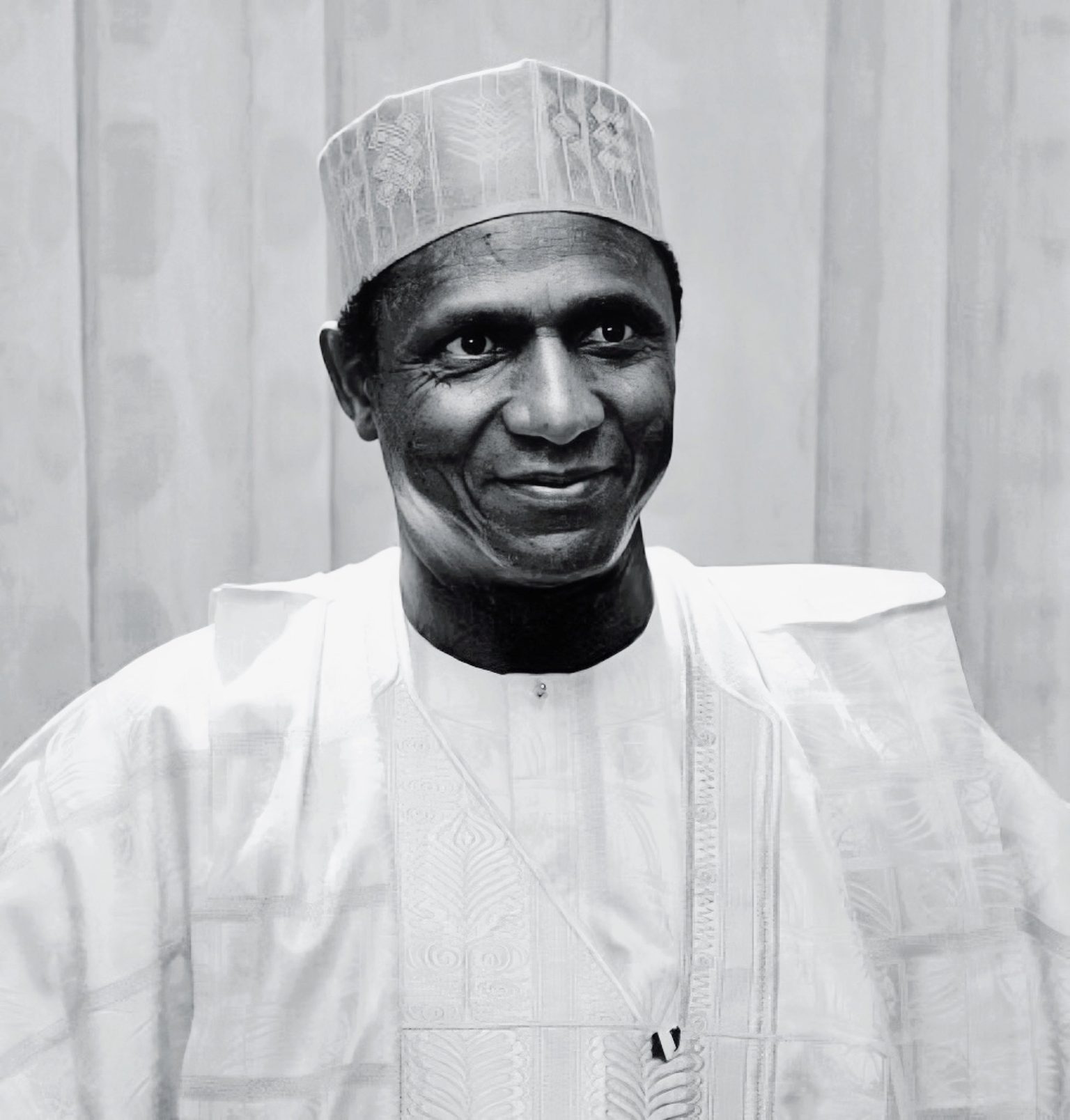

Nigeria’s 66-year journey since independence has been marked by changing governments, difficult moments, reforms and decisions that have continued to shape the country.
From the early years of the First Republic to the return of democratic rule in 1999, successive administrations have left behind policies, institutions and moments that remain part of Nigeria’s national story.
As the country celebrates its 66th Independence anniversary, AkweyaTV takes a look at five civilian presidents whose administrations introduced or oversaw developments that had a notable impact on Nigeria.
The list is not a ranking of the country’s presidents. Instead, it highlights particular decisions and developments from their time in office that remain relevant to Nigeria today.
- As Nigeria Turns 66, Rev. Allam Champions Hope For A New Nigeria
- Nigeria At 66: Looking Back At Five Presidents Who Shaped Its Journey
- FG Releases Approved Textbooks for 2026–2028 Sessions
- Digital Skills Bring New Hope to 150 Young Nigerians
- NGO Advances Clean Energy for Women
Nnamdi Azikiwe: Nigeria’s First President
Dr Nnamdi Azikiwe occupies a special place in Nigeria’s history as the country’s first President.
He assumed office in 1963 when Nigeria became a republic, replacing the British monarch as the country’s constitutional head of state. He remained President until January 1966, when the First Republic came to an end following a military coup.
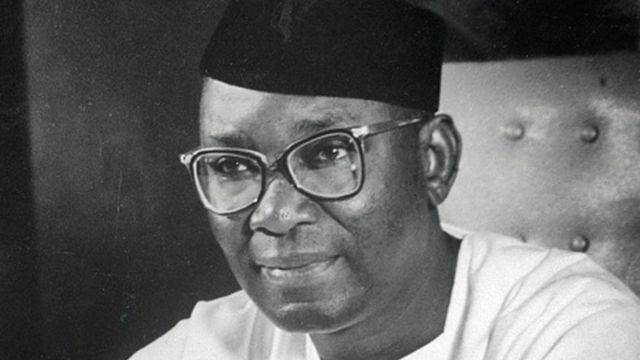
Dr Nnamdi Azikiwe’s presidency came at a critical point in Nigeria’s young history. The country was still finding its feet as an independent nation, building political institutions and trying to define its identity after colonial rule.
While the Prime Minister was the head of government under the parliamentary system of the First Republic, Dr Nnamdi Azikiwe’s presidency represented an important constitutional milestone in Nigeria’s transition from independence to republican government.
His place in history therefore goes beyond the office he occupied. He was one of the prominent figures associated with Nigeria’s struggle for independence and the country’s early years as a sovereign nation.
Shehu Shagari: The Early Years Of Abuja
Alhaji Shehu Shagari became Nigeria’s first executive President of the Second Republic in 1979, following the return to civilian government after years of military rule.
His administration came during a period when Nigeria was experiencing significant oil revenues and embarking on ambitious development projects.
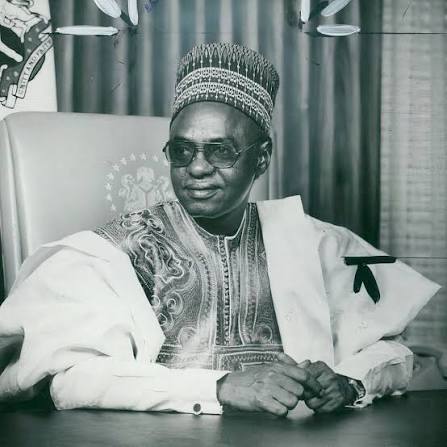
One development from this period that Nigerians still experience today was the emergence of Abuja as the Federal Capital.
Although the decision to move the capital from Lagos had been taken before Alhaji Shehu Shagari became President, his administration oversaw important stages in the development of the new capital.
Abuja hosted its first Independence Day celebration in 1982, and the Federal Executive Council also held a meeting there that year.
Decades later, Abuja remains the centre of Nigeria’s federal administration and one of the country’s most important cities.
Olusegun Obasanjo: Beginning A New Democratic Era
Olusegun Obasanjo returned to the presidency in 1999, this time as a civilian leader, after winning the presidential election that brought Nigeria back to democratic rule.
His administration marked the beginning of the Fourth Republic, the democratic era that has continued to the present.
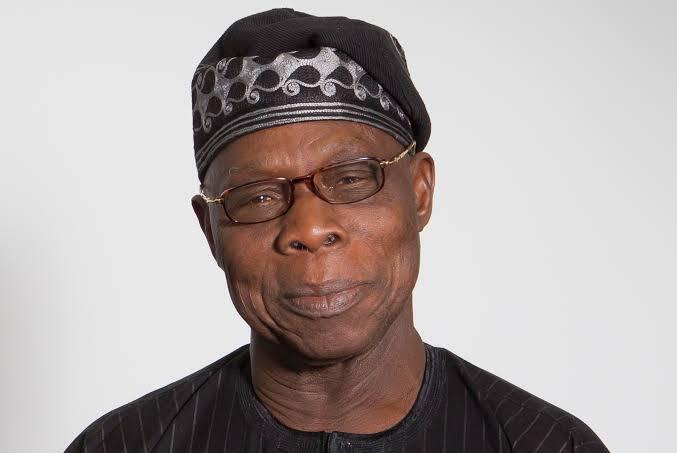
The return to civilian government after years of military rule was itself a major turning point for Nigeria.
During his eight years in office,Olusegun Obasanjo’s government also pursued economic and institutional reforms, including changes in the banking sector, telecommunications and other areas of the economy.
His administration was also involved in negotiations that eventually contributed to Nigeria’s debt relief in 2005, when the country reached an agreement with the Paris Club of creditor nations.
The period remains an important chapter in Nigeria’s post-military political and economic history.
Umaru Musa Yar’Adua: A Push For Peace In The Niger Delta
Umaru Musa Yar’Adua became President in 2007 at a time when insecurity and unrest in the Niger Delta were major national concerns.
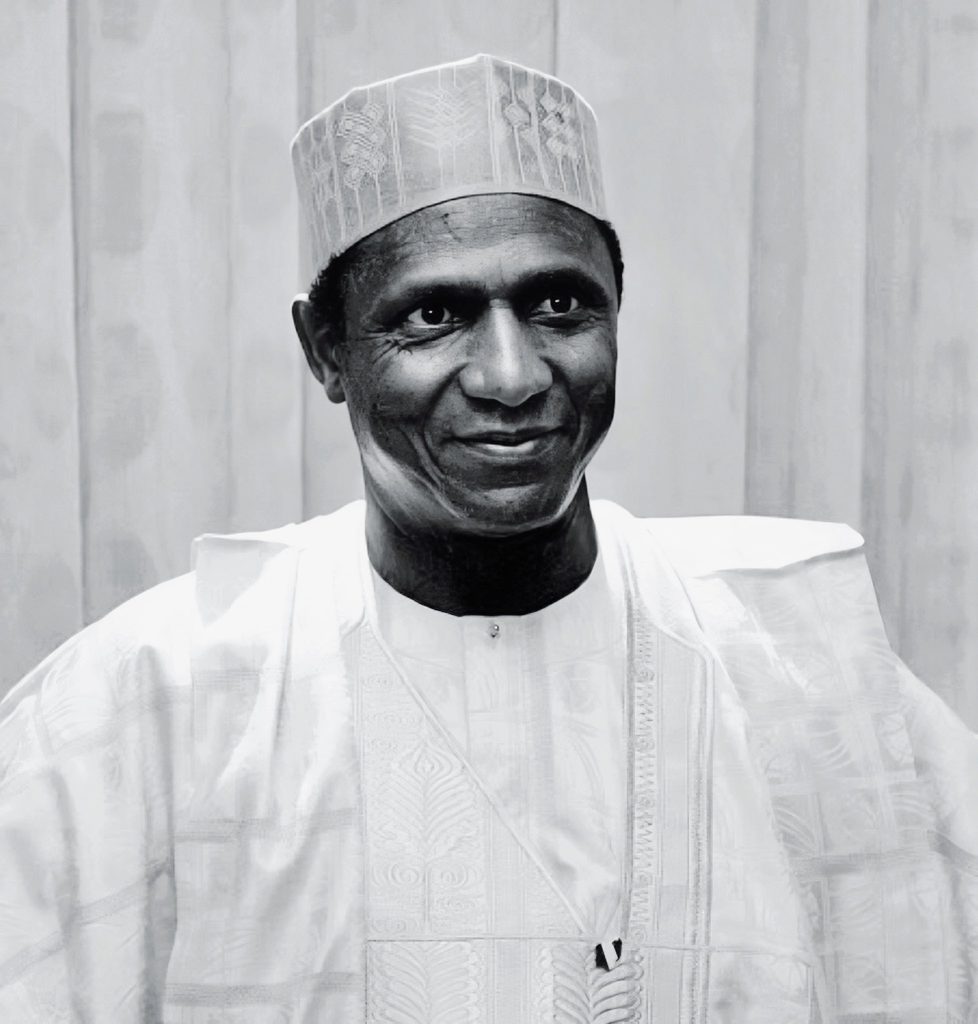
His administration introduced the Presidential Amnesty Programme in 2009 for militants in the oil-producing region who agreed to surrender their weapons and participate in the programme.
The initiative was aimed at reducing violence and creating an opportunity for former militants to receive rehabilitation, training and support for reintegration.
The Niger Delta issue did not disappear, but the amnesty programme became one of the major policy responses to the region’s long-running conflict and remains part of Nigeria’s approach to addressing militancy in the area.
Umaru Musa Yar’Adua’s administration also placed electoral reform on the national agenda following concerns surrounding the 2007 general elections.
Goodluck Ebele Jonathan: A Defining Democratic Transition
Goodluck Ebele Jonathan became President in 2010 following the death of President Yar’Adua.
His administration oversaw the 2011 general elections, which followed efforts to improve voter registration and electoral administration.
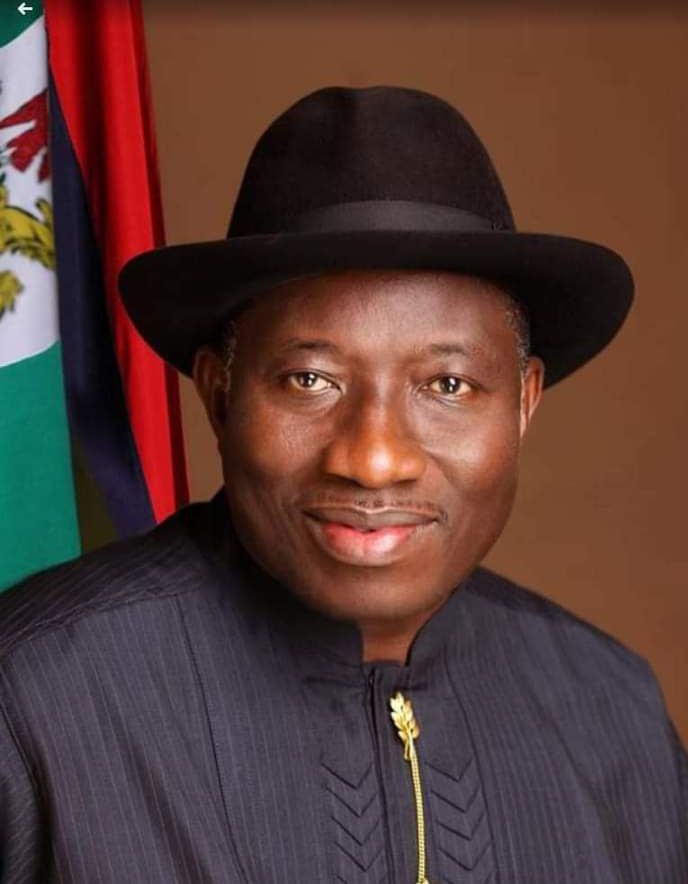
But perhaps one of the most memorable moments of his presidency came in 2015.
After the presidential election, Goodluck Ebele Jonathan conceded defeat to Muhammadu Buhari and congratulated his opponent before leaving office.
The peaceful transfer of power between two elected governments became an important moment in Nigeria’s democratic history.
Goodluck Ebele Jonathan’s administration also oversaw developments in areas including agriculture, infrastructure, education and telecommunications, while facing significant challenges ranging from insecurity to economic pressures.
A Country Still Writing Its Story
Nigeria’s 66-year journey has never been without challenges.
The country has experienced military coups, political crises, economic difficulties, regional tensions, insecurity and periods of reform. At the same time, it has continued to build institutions, expand its democracy and produce generations of Nigerians who have contributed to the country’s development in different ways.
The five presidents highlighted in this story represent different periods in that journey.
Dr. Nnamdi Azikiwe represented the birth of the Nigerian republic. Alhaji Shehu Shagari presided over an important period in the development of Abuja. Olusegun Obasanjo ushered Nigeria into the Fourth Republic. Musa Yar’Adua responded to the Niger Delta crisis with an amnesty programme, while Goodluck Ebele Jonathan’s administration was marked by an important democratic transition.
Their administrations, like those of other Nigerian leaders, had achievements, shortcomings and controversies. Looking at specific decisions rather than placing entire administrations into categories provides a more useful way of understanding the country’s history.
As Nigeria turns 66, the story of the nation remains unfinished.
The decisions made today by leaders, institutions and citizens will become the history future generations will look back on when Nigeria celebrates another Independence anniversary.
Happy 66th Independence Day, Nigeria.
For more stories, news and updates, visit: https://www.akweyatv.com/



