

CISLAC Links Living Costs to Governance Failures
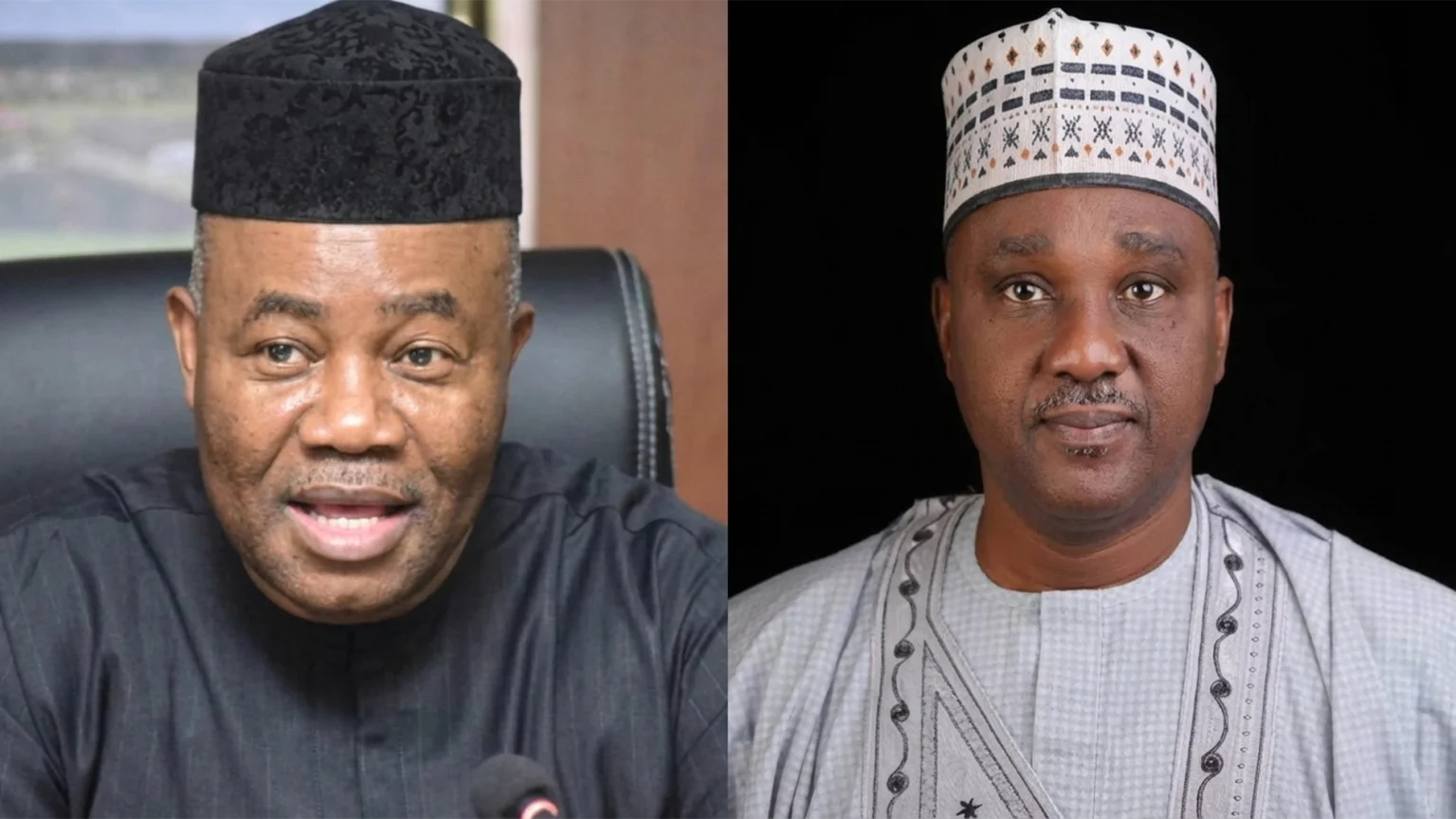
On 1 October, the Civil Society Legislative Advocacy Centre (CISLAC), led by Executive Director Auwal Musa Rafsanjani, called for stronger action against corruption, revenue leakages and wasteful public spending. Responding to President Bola Tinubu’s Independence Day address, the organisation argued that economic reforms must deliver affordable food, transport, healthcare and education. Why it matters: Public accountability remains central to translating economic reforms into household benefits.
Nigeria Launches Digital Postcode System
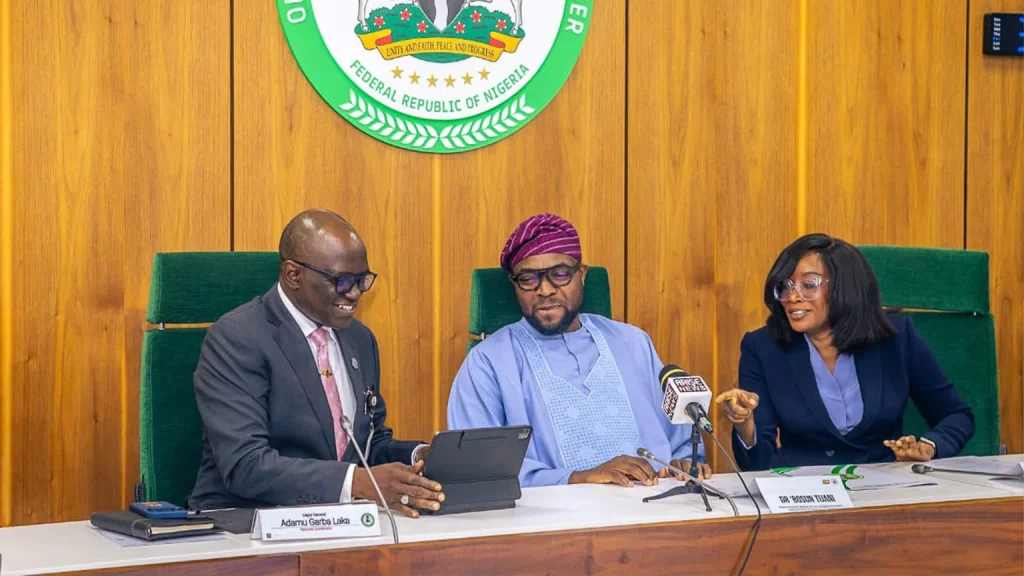
On 1 October, Communications Minister Dr Bosun Tijani announced the National Digital Alphanumeric Postcode System through the Nigerian Postal Service (NIPOST). Each addressable building receives a unique, GIS-linked 11-character code. The government estimates poor addressing costs Nigeria ₦50 billion–₦80 billion annually in failed and missed deliveries. Why it matters: Accurate digital addresses could improve emergency response, logistics, financial services and public-service planning.
Free Educational Data Expands Digital Learning
On 1 October, the Nigerian Communications Commission (NCC), working with the Association of Licensed Telecommunications Operators of Nigeria (ALTON), launched zero-rated access to approved educational platforms. Eligible learners can receive up to 100MB of sponsored daily data. Why it matters: The initiative could reduce connectivity costs for students, while NGOs and education providers can monitor uptake, rural access and learning outcomes.
Civil Society Opposes Proposed Foreign Aid Bill
On 1 October, a coalition including Accountability Lab Nigeria, Yiaga Africa, BudgIT, Gatefield and SERAP urged the National Assembly to withdraw the proposed Foreign Aid (Regulation, Transparency and Disclosure) Bill 2026. The bill has been referred to the Senate Committee on Civil Society and Development Partners. The coalition warns that approval requirements and potential licence revocation could restrict NGO operations. Why it matters: Legislative developments could affect civic space, humanitarian partnerships and independent accountability work.
- Jigawa Community Gets Solar-Powered Borehole
- Over 100 Ebonyi Youths Begin Digital Skills Journey
- Northern Nigeria’s TikTok Blackout Sparks Rights Alarm
- CISLAC: Corruption, Government Waste Worsen Nigerians’ Hardship
- Nollywood, Family And Friends Bid Final Farewell To Olu Jacobs
MSF Treats 425,634 Children for Malnutrition
Médecins Sans Frontières (MSF) reported treating 425,634 children for acute malnutrition in Nigeria in 2025. At an Abuja event marking 30 years of operations on 30 September, Country Representative Dr Ahmed Aldikhari called for stronger prevention and sustained healthcare investment. MSF operates projects across nine states. Why it matters: Donors and governments must connect emergency nutrition support with food security, primary healthcare and resilient community services.
ITUC-Africa Calls for Local Benefits from Mineral Wealth
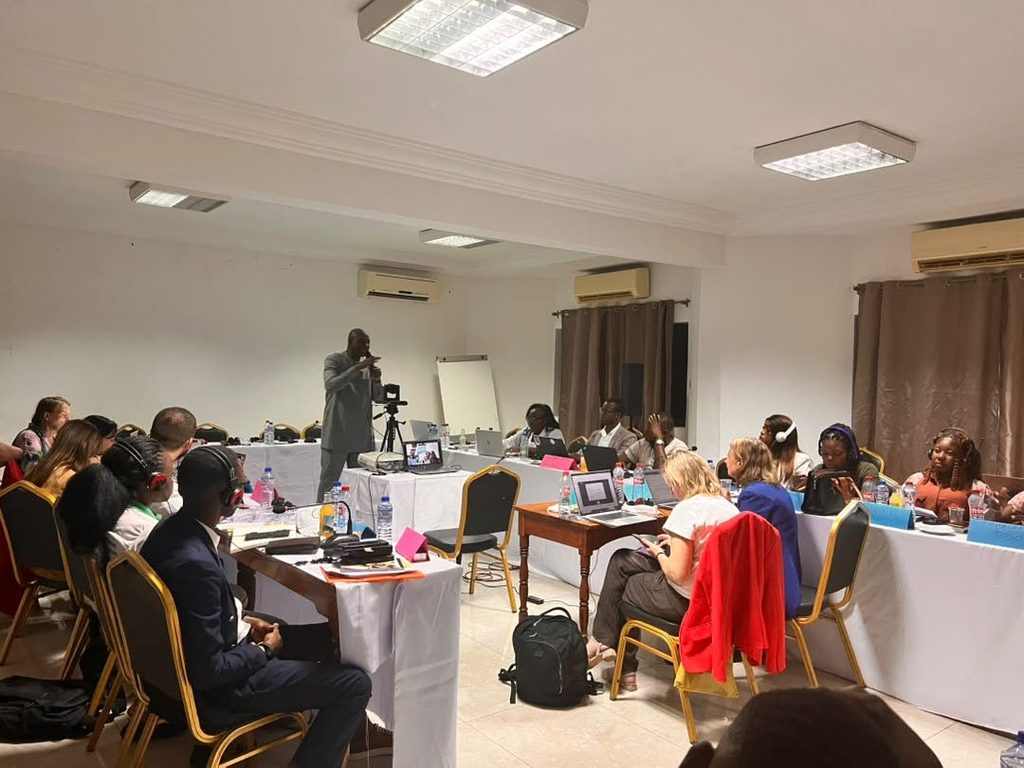
On 1 October, the African Regional Organisation of the International Trade Union Confederation (ITUC-Africa), led by General Secretary Joel Odigie, urged African countries to use mineral resources to finance industrialisation and domestic development. Responding to the Nigeria–US critical minerals framework signed in September, it called for transparency and safeguards covering local processing, decent jobs, technology transfer and environmental protection. Why it matters: The framework’s implementation could shape Nigeria’s ability to capture greater economic value from critical minerals.
WATCH CLOSELY
Whether Nigeria’s economic and digital reforms translate into measurable improvements in household welfare, public services and inclusive development.
HIDDEN OPPORTUNITY
NGOs and researchers can use verified local data to track service delivery, map underserved communities and strengthen evidence-based advocacy.
OVERLOOKED RISK
Weak implementation, persistent living costs and regulatory uncertainty could undermine public trust and disrupt development programmes.
Compiled by Nathan Yohanna
For more inquiries:
Website: www.akweyatv.com
Email: info@akweyatv.com
Phone number: +234 904 480 0200
YouTube: @akweyatv
Facebook: @akweyatvglobal
Instagram: @akweyatv
TikTok: @akweyatv



