
The Civil Society Legislative Advocacy Centre (CISLAC) has called on the Federal Government to look beyond economic reforms and tackle corruption, waste and weak public institutions as part of efforts to ease Nigeria’s cost of living crisis.
The organisation said President Bola Ahmed Tinubu’s renewed focus on improving living conditions would have limited impact if longstanding governance problems continued to drain public resources.
CISLAC’s position followed the President’s Independence Day address, where he said the most difficult phase of his administration’s economic reforms had passed and that the government was now moving towards delivering shared prosperity.
- Jigawa Community Gets Solar-Powered Borehole
- Over 100 Ebonyi Youths Begin Digital Skills Journey
- Northern Nigeria’s TikTok Blackout Sparks Rights Alarm
- CISLAC: Corruption, Government Waste Worsen Nigerians’ Hardship
- Nollywood, Family And Friends Bid Final Farewell To Olu Jacobs
Tinubu Promises Better Living Conditions
In his address, President Bola Ahmed Tinubu said the government had moved from correcting the country’s economic direction to improving the living conditions of Nigerians.
He identified reducing the cost of producing and transporting goods as part of the administration’s strategy to bring down the cost of living.
The President Bola Ahmed Tinubu also acknowledged the difficulties many Nigerians continue to face, particularly with food, school fees, healthcare and transportation.
CISLAC Says Economic Reforms Alone Won’t Ease Nigerians’ Hardship
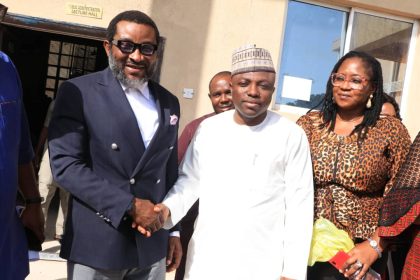
Reacting to the address in a statement signed by its Executive Director, Auwal Musa Rafsanjani, CISLAC said economic reforms alone would not be enough to address the hardship facing households.

Auwal Musa Rafsanjani said Nigeria’s cost of living crisis could not be addressed without confronting corruption, government waste, weak governance and ineffective public institutions.
He acknowledged the President’s recognition of the hardship faced by Nigerians but said citizens needed to see concrete action and results rather than repeated assurances of prosperity.
According to CISLAC, corruption adds another burden to households because funds lost through compromised contracts, revenue leakages, patronage and poor value for money could otherwise be used to provide essential public services.
CISLAC said money lost through inflated contracts, abandoned projects, revenue leakages and wasteful spending represents resources that could have been used to improve the lives of citizens.
The group warned that efforts to reduce poverty would remain difficult if corruption and institutional weaknesses continued to prevent public resources from reaching the people who need them.
Auwal Musa Rafsanjani also cautioned that economic policies that are “badly designed, poorly sequenced or inadequately cushioned” could increase the pressure on ordinary Nigerians.
He argued that citizens should not continue to bear the cost of economic reforms while waste, inefficiency and unnecessary government expenditure remain unaddressed.
CISLAC Calls For Action
CISLAC urged the Federal Government to make tackling economic corruption a central part of its strategy for reducing the cost of living.
The organisation called for stronger measures to block revenue leakages, improve transparency in public procurement, recover stolen assets, prosecute corruption and cut wasteful government spending.
It also urged the government to ensure that increased public revenue translates into better services that can directly reduce household expenses.
The group identified food, transportation, electricity, healthcare and education as key areas where Nigerians should begin to feel the impact of economic reforms.
CISLAC said reducing corruption, strengthening public institutions and ensuring that government resources are used effectively would be critical to making the promised improvement in living conditions a reality for Nigerians.
For more stories, news and updates, visit: https://www.akweyatv.com/