
HBBA Calls for Criminal Justice Reforms to Protect Religious Freedom
The Hope Behind Bars Africa (HBBA) has called for stronger reforms in Nigeria’s criminal justice system to better protect freedom of religion or belief and freedom of expression.
The organisation made the call on Wednesday at the North-Central Freedom of Religion or Belief and Justice Convening in Abuja, which brought together faith leaders, lawyers, journalists, human rights advocates, civil society organisations, researchers and representatives of government institutions.
The convening, organised by HBBA with support from the National Endowment for Democracy (NED), was held under the theme, “Protecting Freedom of Religion or Belief in Nigeria: From Dialogue to Action.”
- 4Breath4Life Targets 10,000 Healthcare Providers In Nationwide Training Drive
- HBBA Seeks Justice Reforms To Protect Religious Rights
- NGO Calls for Whistleblower Protection Laws
- Beyond Lassa Fever Bukar Usman Uncovers The Story Of Lassa
- FG Opens Doors for Youths Through Skills Programme
Moving Beyond Dialogue
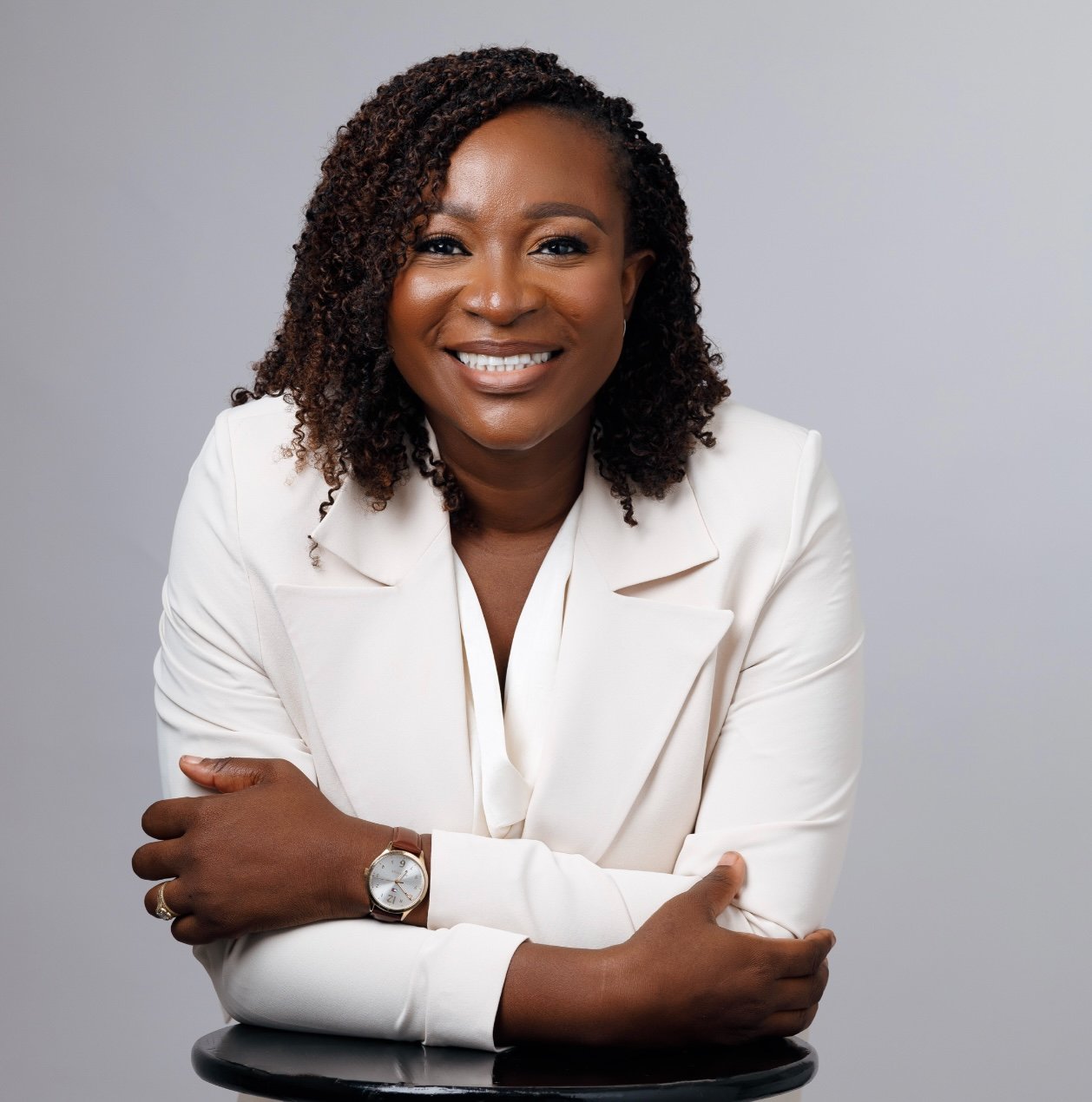
Speaking at the event, HBBA Executive Director Funke Adeoye described freedom of religion or belief as a fundamental right that allows people to hold, change, express and practise their beliefs without discrimination or unnecessary restrictions.
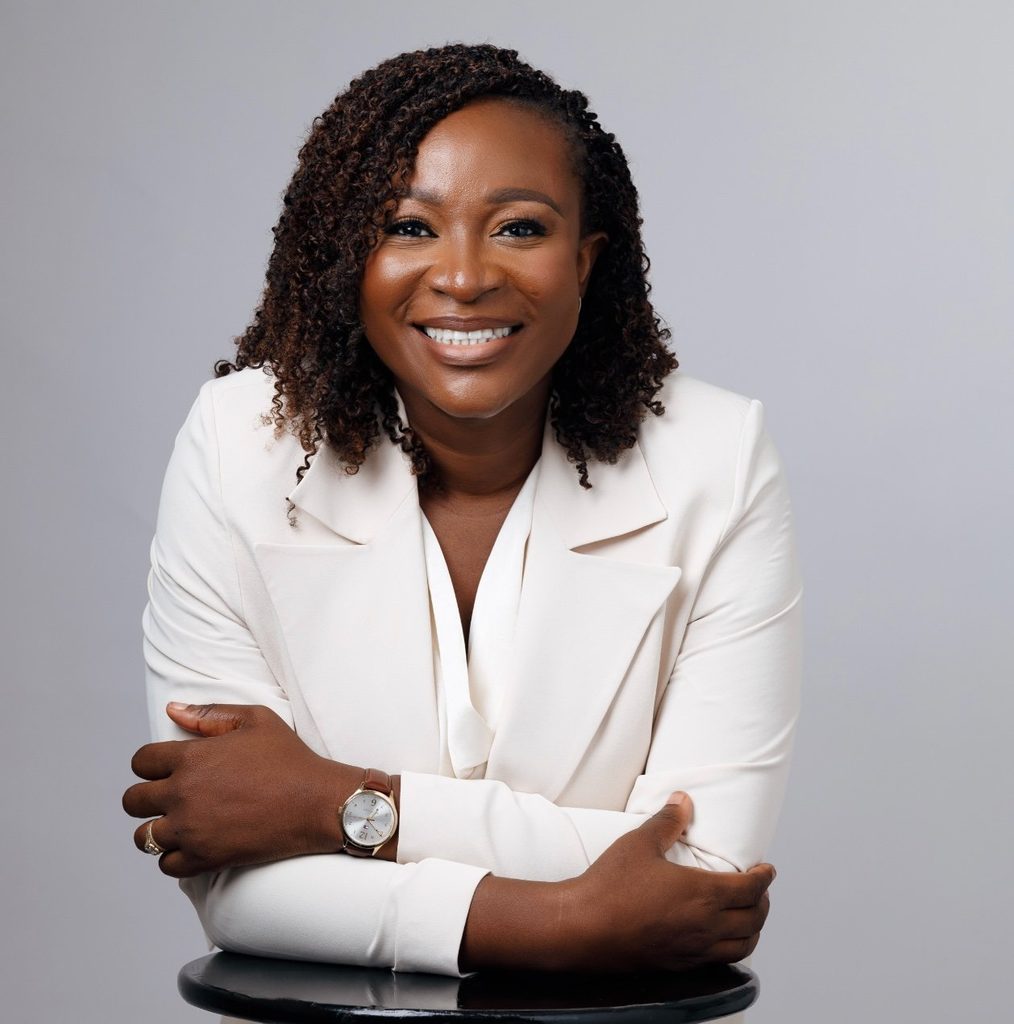
She said the issue was closely linked to criminal justice, civic rights and peaceful relations among communities.
Funke Adeoye explained that HBBA’s interest in religious freedom formed part of its wider work on criminal justice reform and the protection of civic space.
She said the organisation wanted the discussions to produce practical steps rather than end with statements.
“Greater cooperation is needed among government institutions, religious communities, civil society groups, lawyers and journalists to promote equal protection under the law,” Adeoye said.
She added that bringing stakeholders with different perspectives together could help identify gaps in the protection of religious freedom and encourage continued action.
Concerns Over Vague Laws
Legal expert Tsema Ede raised concerns about the possible arbitrary application of vague laws, including provisions relating to public disturbance and blasphemy.
She said such laws could have implications for minority groups and people expressing dissenting views.
Tsema Ede called for balanced legislation and neutral mechanisms for managing tensions between religious communities. She also urged justice-sector institutions, policymakers and civil society groups to focus on institutional reforms rather than relying only on public statements.
According to her, respect for the rule of law and equal protection are essential to building national unity and security.
Religious Freedom And Criminal Justice
The relationship between Sharia law, freedom of religion or belief and freedom of expression was also discussed.
Executive Director of Rivers in the Desert Initiative (RID Nigeria), Alex James, called for greater scrutiny of situations where matters traditionally handled under family or civil law become criminal matters.
James said such developments could raise fundamental rights concerns, particularly where thoughts or expressions are treated as criminal acts.
He also stressed the importance of addressing the processes through which individuals may be influenced towards violent or harmful beliefs.
Calls for Equal Application of the Law
Executive Director of the Kukah Centre, Rev. Fr. Barkindo Atta, called for clear laws addressing hate speech and incitement.
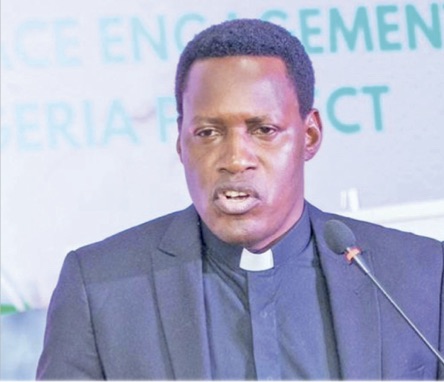
He stressed that such laws should be enforced equally, regardless of a person’s religion, ethnicity, social status or political position.
“People should not be treated differently because of their identity when laws are being enforced,” Atta said.
Similarly, HBBA board member Stanley Ibe called for effective implementation of laws protecting freedom of religion or belief without favour or partiality.
Stakeholders Push For Practical Action
The discussions highlighted the challenge of balancing public safety with religious freedom, freedom of expression and the rule of law.
Participants also examined the role of government institutions, religious communities, the media, lawyers and civil society in ensuring that justice processes protect citizens equally.
Representatives at the convening included the Kukah Centre, NASFAT, YALI Abuja, Christian associations, Goodluck Jonathan Foundation, HumAngle, Digicivic Initiative, Rivers in the Desert Initiative, Code for Africa, PAR-RVP Initiative, National Human Rights Commission, Nigerian Bar Association, Global Rights, Paradigm Initiative Nigeria and TechHer, among others.
HBBA said sustained engagement among these stakeholders would be necessary to address challenges affecting freedom of religion or belief in Nigeria.
The organisation said the convening was intended to help move discussions on religious freedom from dialogue towards practical action, accountability and institutional reform.