
Writers, journalists, publishers, editors and theatre practitioners have been urged to use their platforms to promote peace, empathy, inclusion and reconciliation in society.
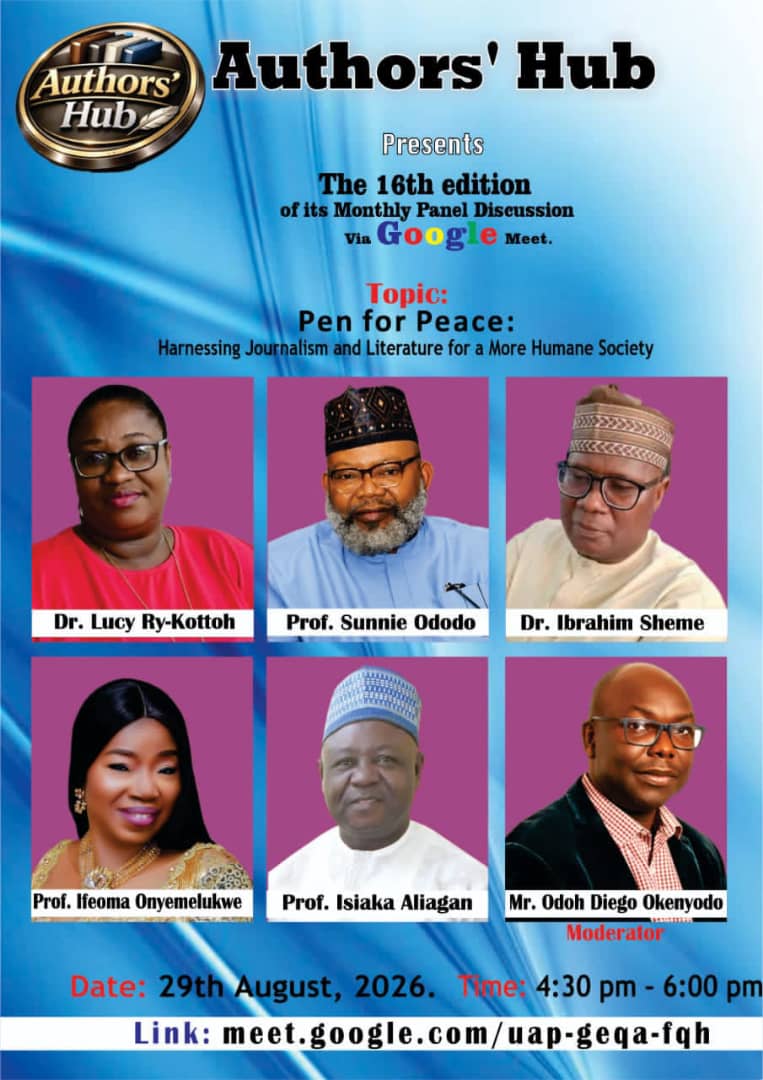
The call was made at the 16th Authors’ Hub Monthly Panel Discussion, held virtually on Saturday, August 29, 2026, via Google Meet, with the theme, “Pen for Peace: Harnessing Journalism and Literature for a More Humane Society.”
The discussion brought together academics, writers, journalists and theatre practitioners to examine how literature, journalism and digital platforms can address conflict, misinformation and social division.

Flyer for the 16th Authors’ Hub Monthly Panel Discussion.
The session was moderated by Mr. Odoh Diego Okenyodo.
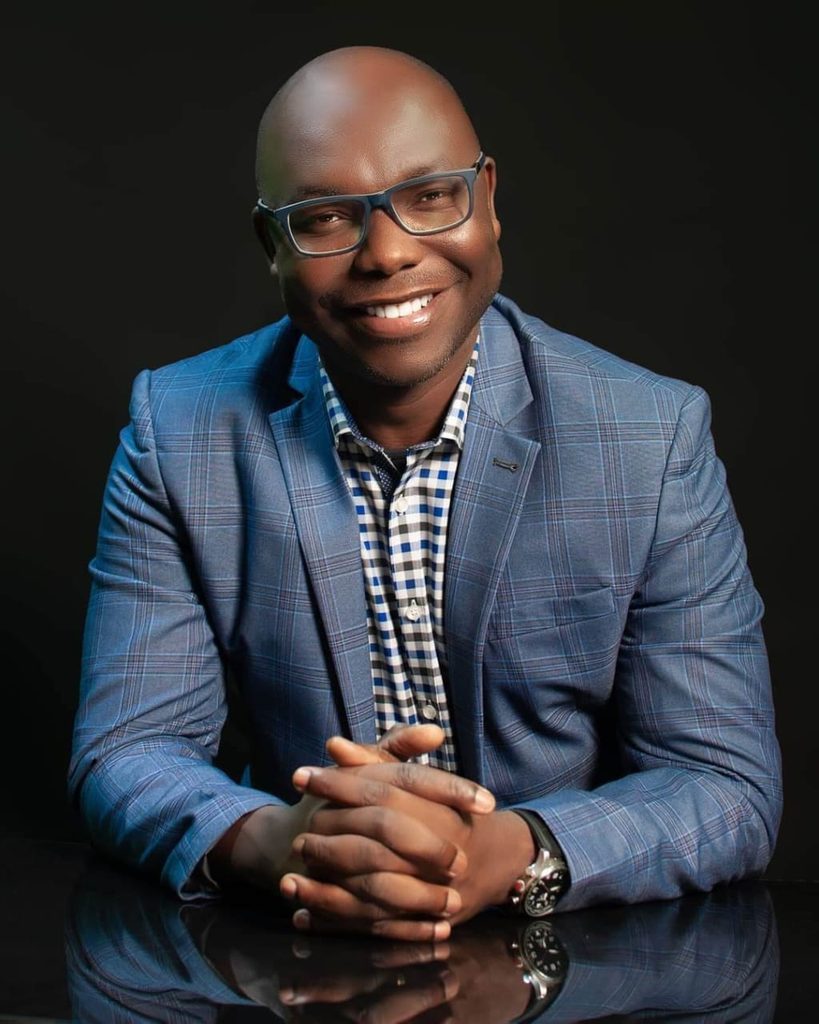
Mr. Odoh Diego Okenyodo, moderator of the discussion.
Professor Ifeoma Onyemelukwe said literature could shape attitudes and help readers empathise with people affected by war, displacement and trauma.
She cited Chimamanda Ngozi Adichie’s Half of a Yellow Sun as an example of literature that humanises the Nigerian Civil War.
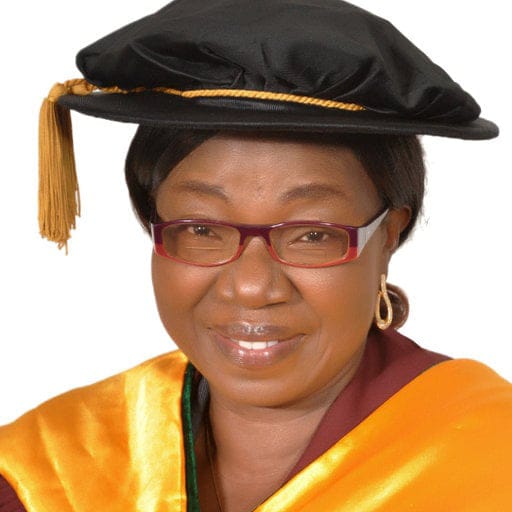
Professor Ifeoma Onyemelukwe, panelist.
Onyemelukwe identified physical, institutional, technical and social-cultural barriers confronting writers, urging them to explore alternative publishing, solidarity networks and literary devices such as allegory, metaphor and satire.
- Ten Ajegunle Students Get Equal Scholarship Opportunities
- Paradigm Initiative Equips Journalists Against Disinformation
- DEVELOPMENT INSIGHTS MORNING BRIEF, 14 OCTOBER 2026
- Akwa Ibom Brings Hope to Flood-Affected Families
- Scoliosis Patients Urged to Seek Emotional Support
Creative Writing and Technology
Professor Isiaka Aliagan said creative writing helps society process injustice, conflict and trauma by going beyond facts through poetry and drama.

Professor Isiaka Aliagan, panelist.
He urged writers and journalists to embrace emerging technologies and understand younger audiences.
“We should also move with the time by trying to learn from the evolving and emerging technologies, and try to see how we can use them to improve what we do.”
Digital Theatre and Reconciliation
Professor Sunnie Ododo said digital interaction could both help and limit human connection.
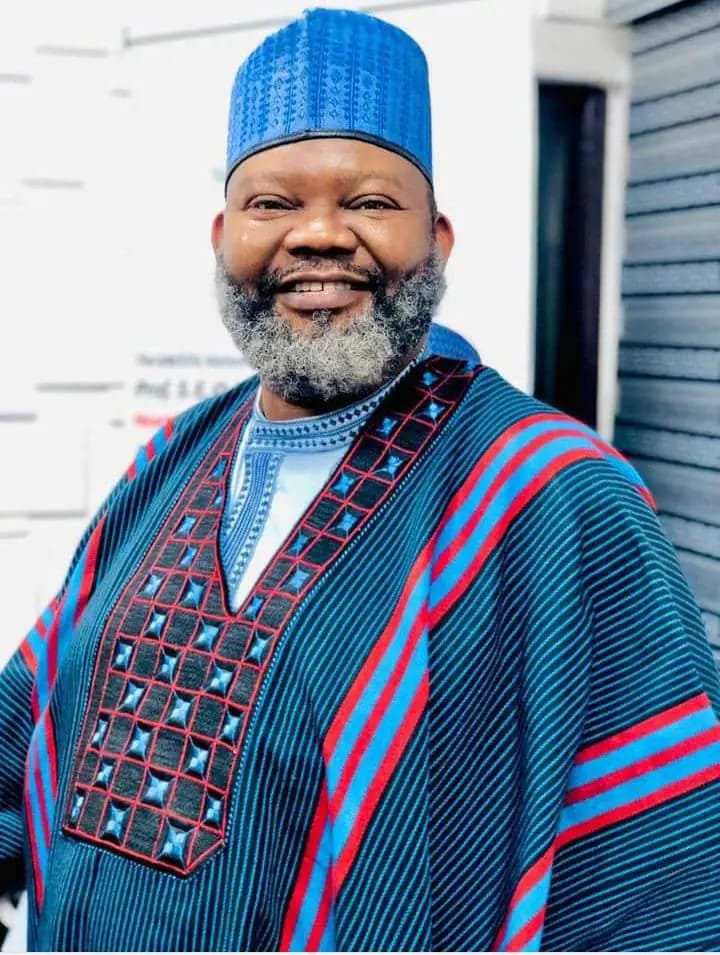
Professor Sunnie Ododo, panelist.
He noted that physical interaction provides important non-verbal cues during reconciliation, while digital platforms remove geographical barriers and allow people time to reflect. He therefore advocated a balance between digital and physical interaction.
Truth and Responsible Language
Dr. Lucy Ry-Kottoh said writers should not misrepresent the truth but should consider how it is communicated.
“Speak your truth, but put yourself in the reader’s position, because they are the ultimate consumers of your creative work.”
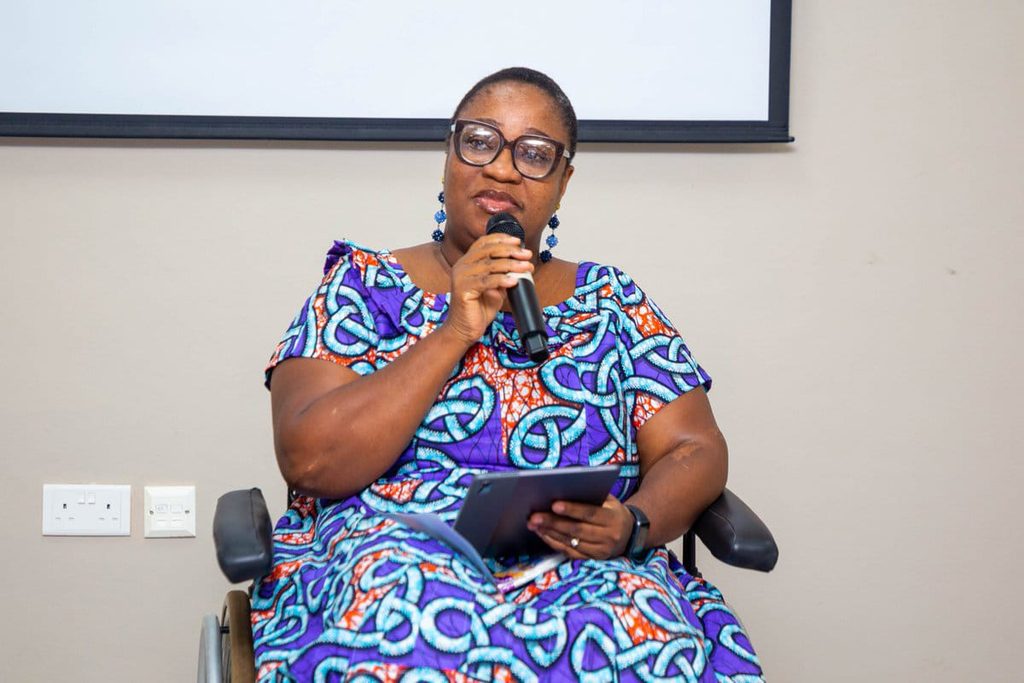
Dr. Lucy Ry-Kottoh, panelist.
She also called for inclusive publishing through Braille, audiobooks, e-books and large print, while urging writers to avoid language that could stigmatise vulnerable groups.
Literature and Justice
Onyemelukwe said literature could challenge injustice and promote dignity and equality, referencing writer and environmental activist Ken Saro-Wiwa.
“The pen always finds another hand to hold it.”
In his closing remarks, Professor Ododo said building a peaceful society required collective responsibility, accountability and truth-telling.
“A humane society is not inherited. It is intentionally built.”
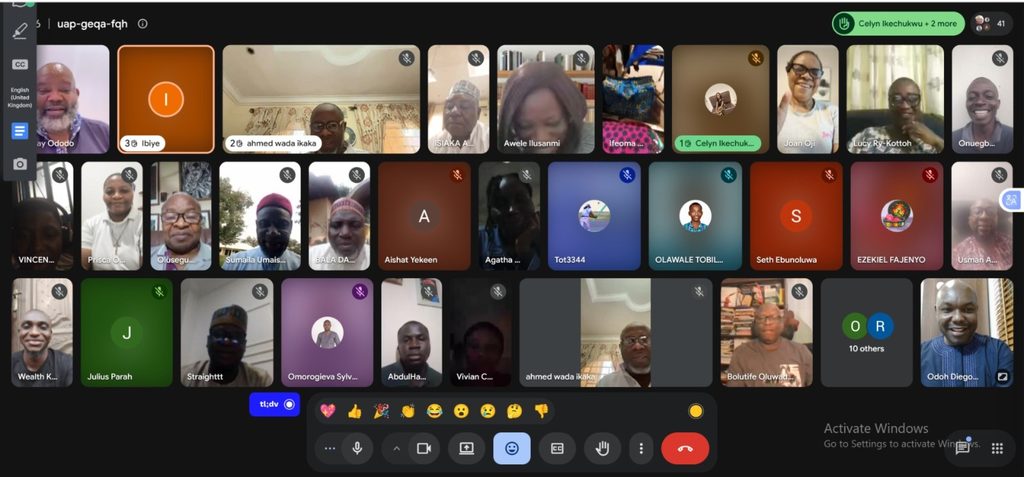
Participants and panelists at the conclusion of the 16th Authors’ Hub Monthly Panel Discussion.
The session ended with a call for writers, journalists and other creatives to use their platforms responsibly to promote a more empathetic, inclusive and peaceful society.