

In a world increasingly shaped by globalisation, urbanisation and changing social values, cultural traditions and indigenous languages are at risk of being pushed aside. For some communities, the pressure to embrace modern lifestyles has created a growing distance between younger generations and the cultural heritage passed down by their ancestors.
- The Importance Of Preserving Cultural Identity
- Tracing The History Of The Bura People
- How Marama Day Became Bura Culture Day
- The Role Of Women In Sustaining The Tradition
- Preserving Culture Through Food, Crafts And Traditional Arts
- How Bura Culture Day Can Be Improved
- A Book With Lessons Beyond The Bura Community
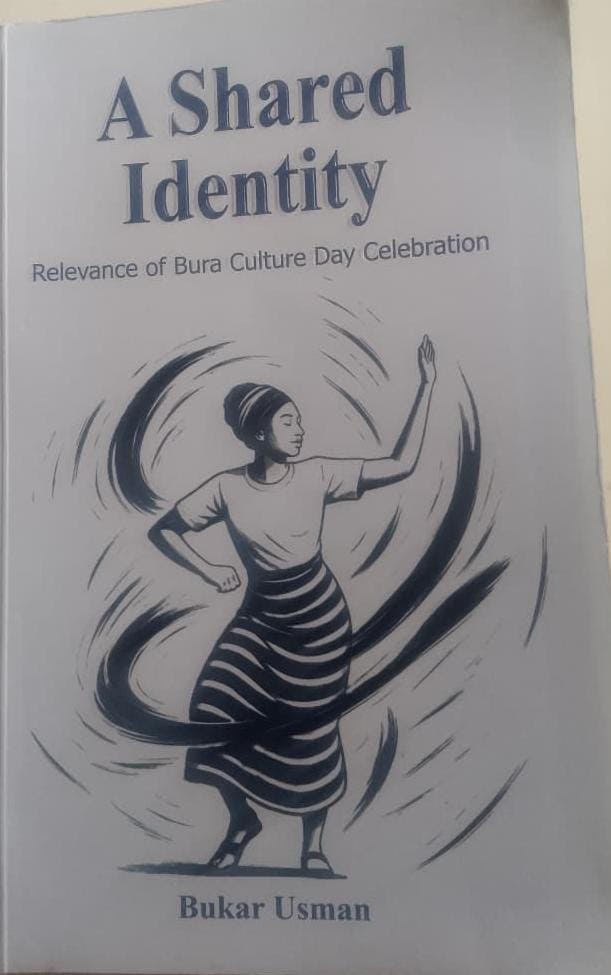
It is against this backdrop that Dr Bukar Usman’s A Shared Identity: Relevance of Bura Culture Day Celebration makes a compelling case for cultural preservation, community unity and the survival of endangered languages.
The book goes beyond documenting the cultural practices of the Bura people of Borno State. It explores a broader question that resonates across Nigeria and beyond what happens to a people when they lose touch with the language, traditions and shared experiences that define their identity.
Dr Bukar Usman, a retired federal permanent secretary and prolific author, draws on the history and experiences of his Bura and Biu Emirate communities to show why cultural celebrations remain relevant in contemporary society. His argument is straightforward: cultural heritage should not be treated as an obstacle to progress but as an important part of a people’s identity.
- World Bank Report Signals Nigeria Poverty Stabilisation
- Lagos Chamber 0f Commerce And Industry Seeks Petroleum Price Reduction
- Nigerian NGOs Demand Equal Voice At UN
- Could Cheaper Petrol Finally Bring Food Relief?
- Abiodun Baiyewu’s Journey In Human Rights And Access To Justice
The Importance Of Preserving Cultural Identity
At the heart of A Shared Identity is the argument that cultural festivals are more than occasions for entertainment, traditional performances and social gatherings. They provide opportunities for communities to reconnect with their history, strengthen relationships and pass their heritage to younger generations.
The book challenges the tendency to dismiss indigenous cultural practices as outdated while readily embracing celebrations associated with other parts of the world. For Dr Bukar Usman, cultural identity deserves recognition and preservation, regardless of whether a community is large or small.
Although the book focuses on the Bura people, its message extends to Nigeria’s many ethnic and linguistic communities facing similar challenges. It encourages them to recognise the value of their traditions in a rapidly changing world.
Dr Bukar Usman also makes an important distinction between cultural pride and cultural isolation. Preserving one’s heritage does not require rejecting other cultures. Rather, communities can participate in a changing world while maintaining the traditions and languages that distinguish them.
Tracing The History Of The Bura People
In the opening chapters, Dr Bukar Usman provides a historical overview of the Biu Emirate and the different language groups within it, paying particular attention to the Babur/Bura people.
He explains the cultural and linguistic connections between the Babur and Bura communities, highlighting their shared heritage despite differences in the names used to identify them.
The book cites educationist Diggira, who observed that people often identify themselves according to the predominant community in which they were born. Those raised in predominantly Babur areas may identify as Babur, while those from predominantly Bura areas may identify as Bura.
Dr Bukar Usman further draws attention to shared vocabulary between the two groups, using the word “aburwa”, meaning “listen”, as an example.
This historical account helps establish the foundation of the book’s central theme: identity can unite people across geographical and social boundaries when they recognise the heritage they have in common.
The author also highlights the widespread presence of Babur/Bura communities across Nigeria, particularly in northern states, while noting the more than 100 communities associated with the group in the Biu Kingdom.
How Marama Day Became Bura Culture Day
One of the book’s major strengths is its documentation of the development of Bura Culture Day and the role it plays in strengthening community ties.
Before the modern celebration emerged, the Bura-Pabir Festival was an important cultural event associated with the harvest season. Dr Bukar Usman explains that the traditional festival featured drumming, singing and celebrations following the harvesting of staple crops such as maize and guinea corn. The festival continues as a customary annual event in Hawul Local Government Area.
The modern Bura Culture Day began in 2004 as Marama Day, an initiative by community elites who recognised the need to bring people together and promote their cultural heritage.
According to Dr Bukar Usman, the celebration later became known as Bura Culture Day and developed into an annual event held on New Year’s Day.
The timing gives the occasion additional significance. It offers Bura people an opportunity to begin the year by reconnecting with their roots, celebrating their achievements and renewing their sense of belonging.
Dr Bukar Usman writes that the event attracts Bura indigenes from different geographical locations, regardless of their religious or political affiliations. Its growing appeal has also drawn neighbouring communities and visitors from outside Nigeria.
The participation of the Borno State Government, as documented in the book, further demonstrates the potential for cultural celebrations to attract public support and promote local heritage.
The Role Of Women In Sustaining The Tradition
A particularly noteworthy aspect of the book is its account of the role played by the Bura Women Development Association (BUWDA) in sustaining the celebration.
Although men and women were involved in organising Bura Culture Day, the formation of BUWDA in 2014 marked an important stage in its development. The association helped strengthen the organisation of the event and extend celebrations to locations outside Borno State where Bura people live and work.
Dr Bukar Usman explains that the initiative was intended to ensure that members living away from home could participate in the cultural celebration, particularly those unable to travel during festive periods.
This development highlights the importance of community associations in preserving cultural heritage. It also demonstrates how women-led initiatives can provide practical solutions to the challenges of migration, distance and declining cultural participation.
The book also pays tribute to the late Mrs Mary Madu Hamman, BUWDA’s president, who died at the age of 64 less than two weeks after successfully overseeing the 2025 celebration.
Her contribution, as presented in the book, serves as a reminder that cultural institutions often depend on the commitment and personal sacrifices of individuals who work to sustain them.
Preserving Culture Through Food, Crafts And Traditional Arts
Beyond history and community relationships, A Shared Identity highlights the importance of preserving tangible expressions of Bura culture.
The celebration provides a platform for displaying traditional cuisine, handicrafts, farm produce, woven textiles, musical instruments, hairstyles, ornaments and other cultural artefacts.
These displays are not merely decorative. They reflect the knowledge, creativity and practical skills developed and transmitted across generations.
Dr Bukar Usman argues that such cultural materials deserve continued use and recognition. Traditional cooking utensils, storage facilities, clothing materials and architectural practices, for example, provide insights into how previous generations lived, worked and adapted to their environment.
The book’s treatment of these traditions raises an important point: cultural preservation becomes more meaningful when communities actively practise and transmit their heritage rather than simply display it during annual festivals.
Encouraging younger people to learn traditional crafts, appreciate indigenous cuisine and understand the history behind cultural artefacts could help ensure that these practices remain relevant.
Perhaps the most significant contribution of A Shared Identity lies in its discussion of language endangerment.
Dr Bukar Usman warns that the Bura-Pabir language faces a serious challenge, particularly as fewer young people speak it. Drawing on the classification cited in the book, including information from Ethnologue, he argues that the language’s endangered status should be treated as a warning rather than a label to be ignored.
His concern is captured in a striking passage:
“Languages make no announcements when they are dying but they leave clues which any interested person can understand by noting the diminishing number of old speakers and the fewer number of new (young) speakers.”
This observation gives the book a sense of urgency. A language does not disappear overnight. Its decline may begin when parents stop speaking it at home, children grow up unable to understand it, and community institutions no longer provide opportunities for its use.
Dr Bukar Usman rejects the idea that the dominance of major languages alone should be blamed for the decline of smaller languages. Instead, he places considerable responsibility on the communities themselves, arguing that preservation requires deliberate action by speakers, families, traditional leaders and educational institutions.
As he puts it, “No language is superior to another, but some languages can reach more people than others.”
The statement captures an important principle of linguistic diversity: the number of people who speak a language does not determine its cultural or intellectual worth.

Rather than merely expressing concern, Dr. Bukar Usman proposes measures to help reverse the decline of Bura-Pabir.
First, he advocates speaking the language to children from an early age. Parents and older family members have a particularly important role in ensuring that children acquire their mother tongue through everyday communication.
Second, he calls for greater attention to indigenous languages in early education. He highlights the importance of teaching and learning in children’s mother tongues, particularly during their first years of primary school, in line with the relevant national language policy.
Third, he urges community leaders to create opportunities for young people to speak and appreciate their language. Making indigenous languages part of contemporary social activities, cultural events and youth engagement could help counter the perception that they are outdated or irrelevant.
Finally, he proposes establishing a Bura-Pabir Language Promotion Committee as a non-governmental initiative dedicated to coordinating language preservation and cultural promotion.
Such a committee, he suggests, could support awareness campaigns, coordinate programmes and engage relevant authorities on the teaching and learning of the language in schools.
These recommendations strengthen the book’s practical value. They shift the discussion from cultural nostalgia to the responsibility of building systems that enable indigenous languages to survive.
How Bura Culture Day Can Be Improved
Dr Bukar Usman also considers how the annual celebration could do more to support language revitalisation and community development.
He recommends that more activities, including speeches and official presentations, should be conducted in Bura-Pabir. Where materials are prepared in English, translations into the indigenous language should be provided.
This approach could give the language a more visible role in public life while creating opportunities for people to hear, understand and use it.
The author further suggests encouraging farming and food production through annual awards, recognising outstanding cultural and artistic groups, and seeking sponsors to reduce the financial burden of organising the event.
These proposals broaden the purpose of Bura Culture Day. The celebration could become not only a cultural gathering but also a platform for promoting local enterprise, recognising talent and encouraging community participation in development.
Dr Bukar Usman acknowledges, however, that an annual festival alone cannot reverse language decline. Sustained efforts are needed within households, schools and community institutions if the language is to regain ground among younger speakers.
A Book With Lessons Beyond The Bura Community
One of the strongest features of A Shared Identity is its ability to connect a specific cultural experience to wider questions about identity, education and development.
The book documents the history and evolution of Bura Culture Day while using the celebration to examine the challenges facing indigenous languages. Its combination of historical background, cultural documentation and practical recommendations gives readers more than an account of a community festival.
For cultural organisations, educators, policymakers and community leaders, the book offers a useful starting point for discussions about preserving indigenous knowledge and making local languages part of everyday life.
Its argument is particularly relevant in a country as linguistically diverse as Nigeria, where many communities must contend with the pressures of urbanisation, migration, changing family practices and the growing dominance of widely spoken languages.
However, the book’s recommendations also point to a challenge that extends beyond cultural celebrations: preservation requires resources, coordination and consistent commitment. Language policies must translate into practical classroom teaching, while families and community institutions must create spaces where young people can learn and use their mother tongues.
The book would also have greater practical reach if its proposals were followed by measurable community initiatives, including language-learning programmes, documentation projects and regular assessments of young people’s language proficiency.
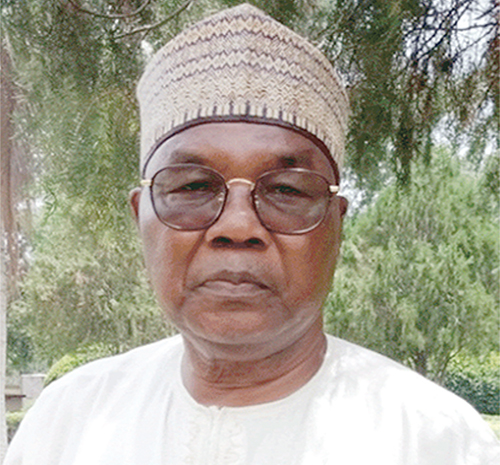
Dr Bukar Usman’s A Shared Identity: Relevance of Bura Culture Day Celebration is a timely contribution to conversations about cultural identity and endangered languages.
Its central message is that cultural celebrations matter most when they do more than entertain. They should strengthen relationships, preserve collective memory, encourage the transmission of indigenous knowledge and create opportunities for younger generations to connect with their heritage.
By documenting Bura Culture Day and drawing attention to the endangered status of Bura-Pabir, Usman challenges his community to take greater responsibility for protecting what it has inherited.
Ultimately, the book reminds readers that cultural identity is not sustained by pride alone. It survives through practice when parents speak their mother tongue to their children, when schools make room for indigenous languages, when traditional knowledge is passed on, and when communities invest in the institutions that keep their heritage alive.
For the Bura people, the task is to ensure that Bura Culture Day remains a living expression of their shared identity. For other Nigerian communities, the book offers a broader lesson: a people’s heritage is best preserved when it remains part of everyday life, not merely something celebrated once a year.
For more news, stories and information, visit: https://www.akweyatv.com/