
What is Scoliosis?
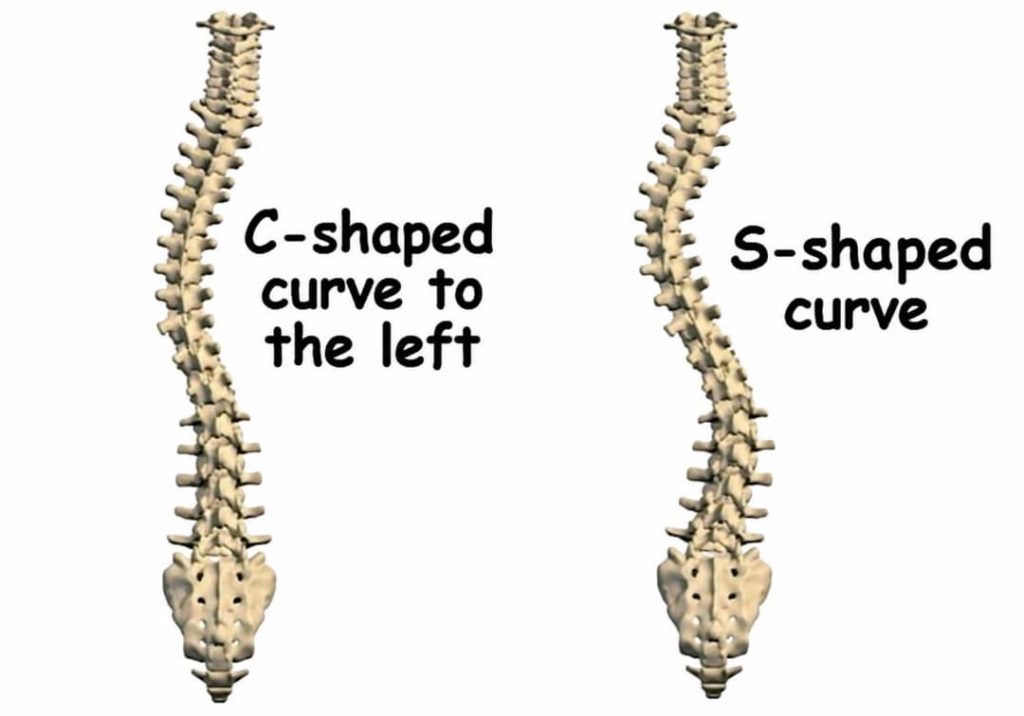
Scoliosis is a side-to-side curvature of the spine. People living with scoliosis have a C- or S- shaped curve in their spine. For a doctor to diagnose scoliosis, the Cobb angle, a measure of the curvature, must be at least 10 degrees.
Scoliosis can appear at any age, but it often presents between the ages of 10 and 12 years or during a person’s teens. While scoliosis is rare in infants, infantile scoliosis can affect people before the age of 3 years.
In most cases, there is no known cause of scoliosis. Doctors call this idiopathic scoliosis. In other cases, scoliosis may have an association with cerebral palsy, muscular dystrophy, or spina bifida. Alternatively, it may be a birth abnormality.
People living with scoliosis have been encouraged to seek psychological support and protect their self-esteem as healthcare professionals highlighted the emotional challenges associated with the condition at the second edition of the Scoliosis Focus Support Group meeting, held on October 10, 2026, in partnership with Hotel de Manna. The meeting aimed to provide medical guidance, emotional support and a platform for participants to share their experiences and learn how to manage the condition.
Experts Highlight Emotional Impact of Scoliosis
Speaking at the event, Mr. Damilare Ashani, a clinical psychologist at Gbagada General Hospital urged participants to express their feelings openly and seek professional help when necessary. He encouraged them to maintain friendships, pursue hobbies and focus on their abilities rather than their physical appearance.

He also called on families, healthcare professionals and the public to treat people living with scoliosis with understanding and respect, warning that bullying, stigma and negative comments about physical appearance could worsen emotional distress.
According to him, adolescents living with the condition may withdraw from social activities, avoid school or become reluctant to interact with others because of how they feel about their bodies.
“Scoliosis is something you have; it is not who you are,” he reminded participants, stressing the importance of separating personal identity from a medical diagnosis.
Specialist Explains Treatment Options
Consultant orthopaedic surgeon, Dr Mutaleeb Ayodele Shobode, led an interactive session during which he explained surgical options and answered questions about treatment.
He reassured participants that a scoliosis diagnosis did not prevent them from living healthy lives while awaiting surgery, where necessary. He also addressed concerns about the cost of surgery and the need to make treatment more accessible and timely.
Participants shared personal experiences, discussing when they were diagnosed, the treatments they had received and the difficulties they continued to encounter.
Consultant physiotherapist and Head of the Physiotherapy Department at Babcock University Teaching Hospital, Dr Adebowale Adedayo, described scoliosis as a three-dimensional curvature of the spine that commonly develops during adolescence.
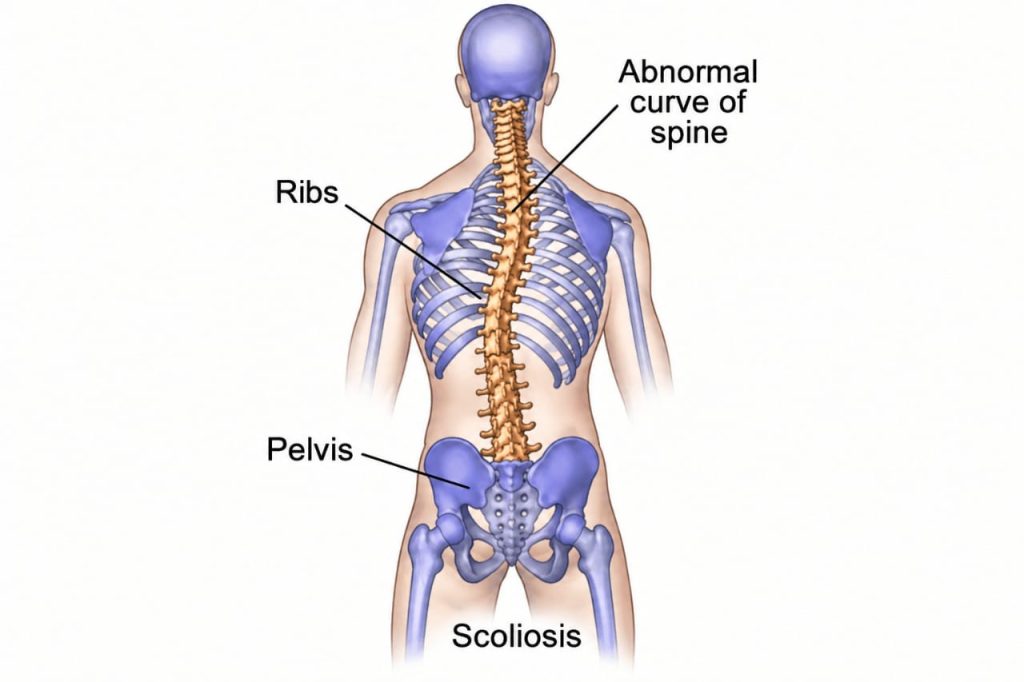
He explained that treatment for adolescent idiopathic scoliosis could include observation, scoliosis-specific exercises, bracing, patient education and regular monitoring to prevent the curvature from progressing.
However, Adedayo noted that body-image concerns, low self-esteem, anxiety and social isolation could affect patients’ mental health and willingness to continue treatment.
He therefore urged physiotherapists to combine physical rehabilitation with emotional support, family involvement and referrals for psychological care when necessary.
Founder Encourages Patients to Build Confidence
The founder of the Scoliosis Focus Support Group, Dr Ayomide Akintan-Adejuwon, said the initiative was inspired by her personal experience of living with the condition.
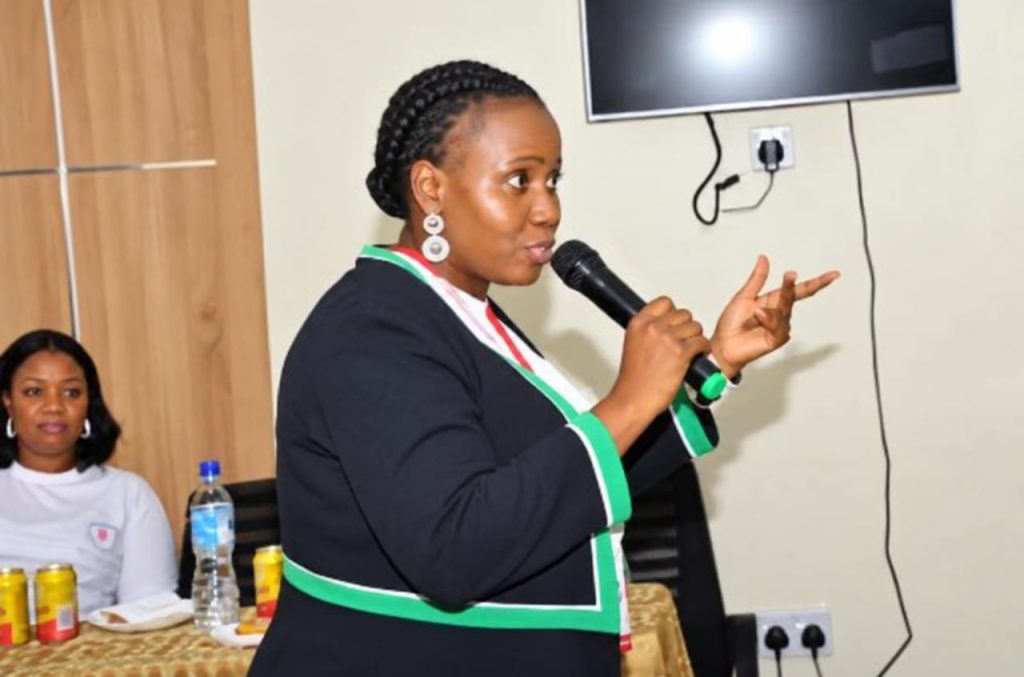
She encouraged participants to remain hopeful and take advantage of the support available through the group, which seeks to help people with scoliosis learn from one another and navigate everyday challenges with greater confidence.
Also speaking at the programme, Pastor Mrs Shobola urged participants not to allow other people’s opinions to determine their self-worth.
- Foundation Restores Hope for 3,000 Nigerians
- Sports Media Partnership Could Unlock Jobs
- NAF Assures Igbokoda Residents Of Action Over River Pollution Concerns
- CSO Leader Champions Kindness for Global Progress
- UN Proposes $3.3bn Budget As Nigeria Chairs Review
Representing the group’s Board of Trustees, Mrs Adeola reaffirmed its commitment to supporting members and helping them access resources to address the emotional and financial challenges associated with scoliosis.
The event was hosted by Engr Adeola Apata, Chief Executive Officer of Hotel de Manna.