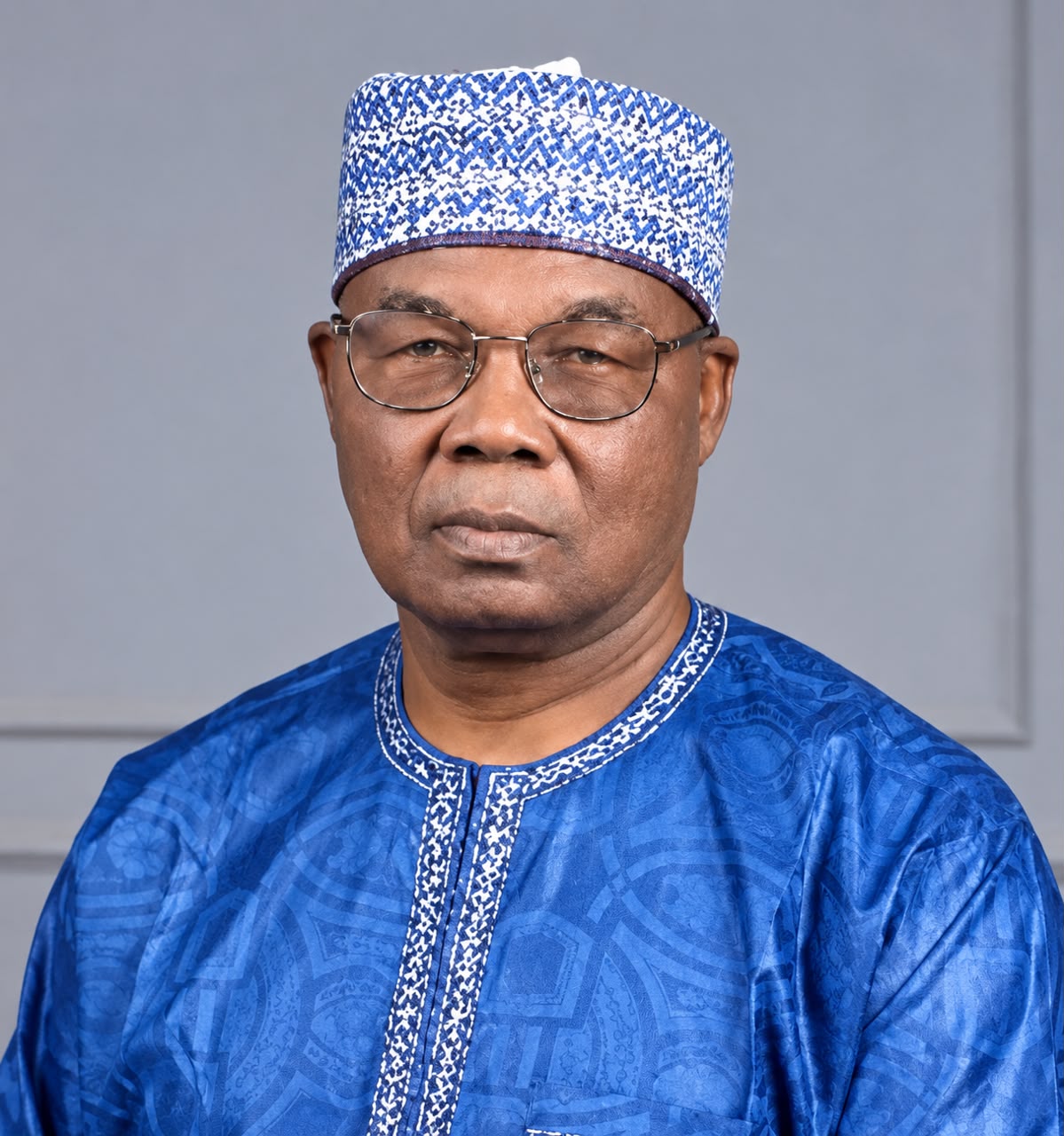

Bukar Usman is a Nigerian author, cultural scholar and former senior civil servant who has spent much of his life documenting the stories, traditions and history that make Nigeria unique.
Born in Biu, Borno State, Bukar Usman developed an early interest in Nigerian history, folklore and traditional customs. That interest grew into a lifelong passion for preserving indigenous knowledge and ensuring that important cultural stories are not forgotten.
Today, he is recognised as an administrative historian, folklore expert and prolific author with more than 30 books to his name.
- ENTERTAINMENT & LIFESTYLE BRIEF 24 October, 2026
- Abba Adaudu: The Benevolent Pride of Idoma Kingdom
- Swiss Diplomat’s Wife Tests Positive For Ebola In Nigeria
- Farida Isiak Case Raises Press Freedom Concerns
- ISDEVCOM Delegation Pays Condolence Visit To Family Of Late Francis Duru
A Strong Educational Foundation
Bukar Usman’s educational journey began in his hometown of Biu, where he received early Qur’anic education before starting formal primary education in 1951. He later continued his studies in Maiduguri, where he attended Borno Provincial Secondary School, now known as Government College, Maiduguri.
His academic journey took a major step forward when he was selected to attend King’s College, Lagos, for his Higher School Certificate. He studied there between 1964 and 1965 and completed the programme with a qualification that opened the way for university education.
In 1966, Usman gained admission to Ahmadu Bello University, Zaria, where he studied Public Administration and International Relations. He graduated in 1969 with a B.A. (Hons.) degree.
His years as a student were not limited to academics. Usman was also actively involved in sports. During his secondary school years in Maiduguri, he participated in athletics, football, basketball, hockey, rugby and table tennis. He later represented King’s College in football and played for Ahmadu Bello University at university games.
His education also exposed him to different environments, languages and cultural experiences, from Biu and Maiduguri to Lagos and Zaria. Those experiences became important in shaping his understanding of Nigeria’s diverse communities and would later influence his work as a writer, historian and cultural scholar.
Interestingly, his love for folklore can also be traced to his early years. The folktales he heard from his mother and the cultural traditions of his Biu upbringing remained with him as he moved through school and later into public service.
That combination of formal education and a strong cultural upbringing eventually became one of the defining features of Bukar Usman’s career allowing him to combine public administration with a lifelong passion for history, literature and the preservation of Nigerian heritage.
A Career in Public Service
Before becoming known for his books and cultural scholarship, Bukar Usman spent more than three decades in Nigeria’s public service. He began as a third-class clerk in 1965 and steadily rose through the ranks to become a Director-General and Permanent Secretary in the Presidency, retiring in 1999.
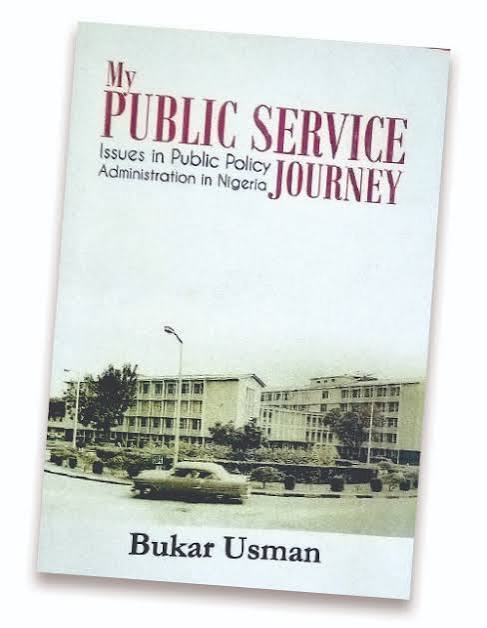
His career placed him at the centre of important developments in Nigeria’s public administration, including the 1991 relocation of the seat of government from Lagos to Abuja. He later documented some of his experiences and lessons from public service in his book My Public Service Journey.
After retirement, Usman devoted more time to his lifelong passion for Nigerian history, folklore and indigenous traditions. Through his books and research, he has preserved oral histories, cultural practices and traditional knowledge that might otherwise have been lost.
Recognition For His Work
Bukar Usman’s decades of work in literature, history and cultural preservation have earned him recognition from both Nigerian and international cultural organisations.
In 2013, he received an award from the Linguistic Association of Nigeria for his contribution to Hausa language and literature. The following year, he was recognised by the Nigerian Indigenous Language Writers Association and its counterpart in Niger Republic for his efforts towards the revival and promotion of Hausa literature.
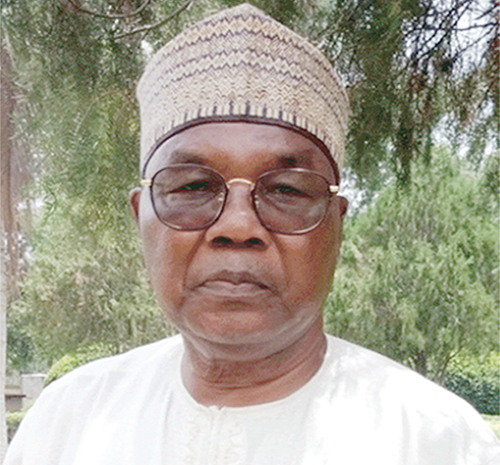
His contribution to ethical leadership and public service has also been acknowledged. In 2016, the University of Nigeria, Nsukka, honoured him for ethical and value-oriented leadership, while the Ranar Mawakan Hausa Foundation recognised him in 2017 for his contribution to the growth of Hausa literature.
But beyond the awards, Usman’s influence can be seen in his continued involvement in cultural organisations and literary activities. He serves as President of the Nigerian Folklore Society and sits on the Board of Trustees of Cibiyar Raya Hausa da Al’adunsa, an organisation dedicated to promoting and preserving Hausa language and culture.
His recognition is therefore not only about the number of awards he has received. It reflects the wider impact of a career built around public service, scholarship, writing and the preservation of Nigeria’s cultural heritage.
For many younger writers and researchers, his work also serves as an example of how literature and cultural scholarship can be used to preserve history and strengthen appreciation for indigenous knowledge.assion for Literature and Scholarship
With more than 30 books to his name, Bukar Usman has made writing an important part of his contribution to Nigerian society.
His works provide insights into the country’s history and cultural practices and have become useful resources for students, researchers and others interested in Nigerian heritage.
His commitment to scholarship also shows that preserving culture is not simply about looking into the past. It is about making that knowledge available to future generations.
A Life of Service and Legacy
Beyond his career in government, Bukar Usman has also been associated with efforts to improve the wellbeing of people in his hometown of Biu and its surrounding communities. His intervention in addressing water supply challenges in Biu town and its environs is another example of his connection to community development and public service.
For Bu Usman, service has extended beyond holding public office. His contributions to community development, alongside his work in literature and cultural preservation, reflect a broader commitment to improving lives and preserving the heritage of the people.