
CSOs Challenge Agency Chiefs’ Political Role
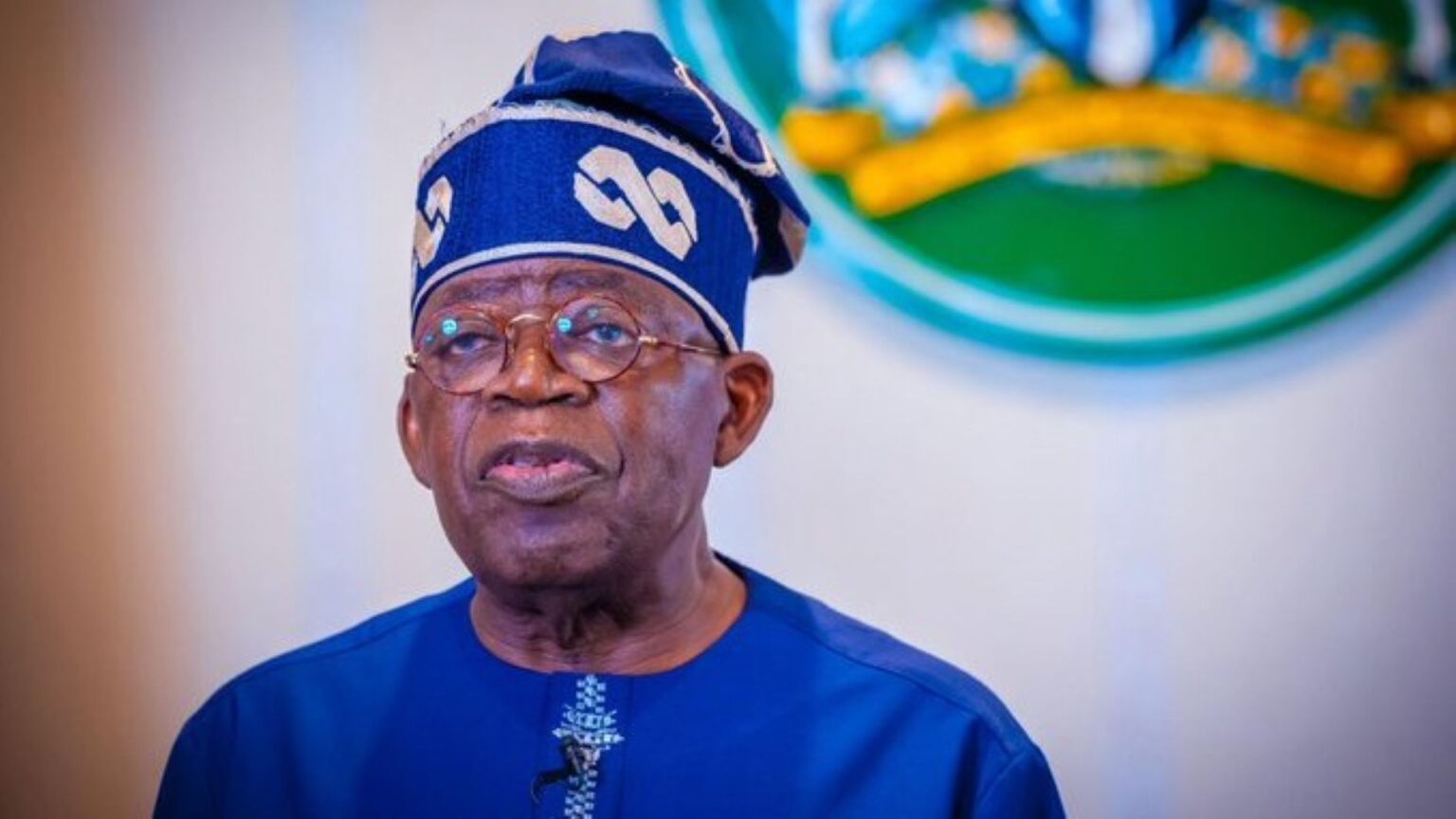
What happened: CISLAC Executive Director Auwal Musa Rafsanjani and HURIWA National Coordinator Emmanuel Nnadozie Onwubiko called for action against serving federal agency chiefs allegedly involved in political mobilisation for President Bola Tinubu ahead of 2027.
Why it matters: CISLAC warned that government funds, staff, databases, programmes and institutional influence must not become campaign resources. It urged ICPC, CCB, EFCC and INEC to investigate credible allegations.
Implication: Election and governance groups should closely monitor the boundary between public administration and partisan mobilisation.
Government Creates Quarterly CSO Dialogue

What happened: President Bola Tinubu directed the creation of a quarterly Government-CSO Policy Dialogue Forum during the National CSO Summit in Abuja on 2 October, represented by SGF George Akume.
Why it matters: The proposed forum could give civil society a more structured channel to contribute evidence and grassroots concerns to government policy and implementation.
Implication: CSOs should prepare evidence-based recommendations and measurable policy demands for the new engagement platform.
Northern TikTok Disruption Raises Rights Alarm
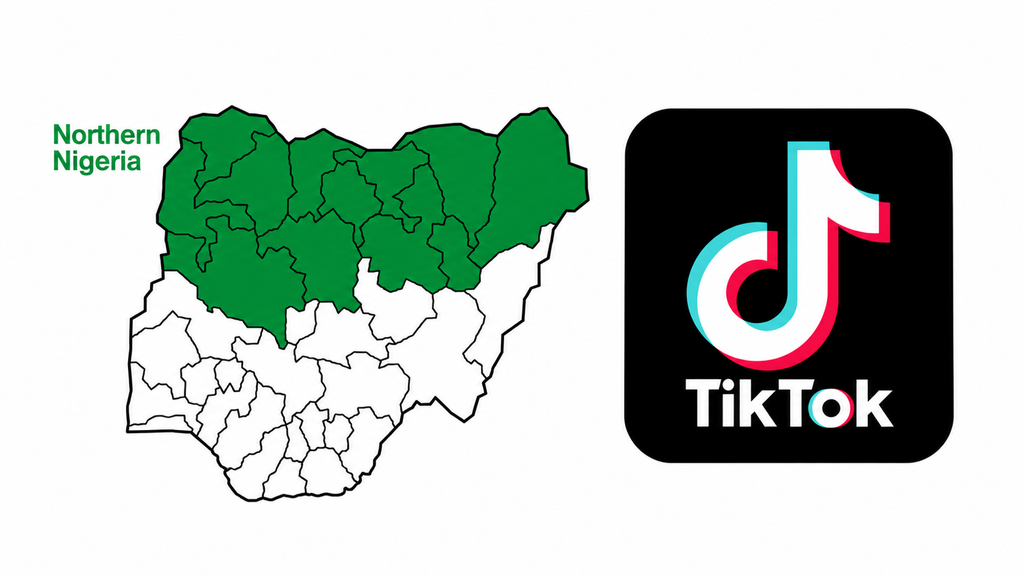
What happened: Twelve civil society organisations reported continuing TikTok access problems in Kaduna, Kebbi, Kano and Sokoto since around 14 September. In a joint statement issued on 3 October, they called on NCC, NITDA, ONSA, telecom operators and TikTok to investigate.
Why it matters: The disruption affects creators, businesses, journalists and digital entrepreneurs, while its cause remains unclear.
Implication: Independent technical verification and transparent disclosure should become priorities if digital trust is to be protected.
CITAD Expands Community Connectivity
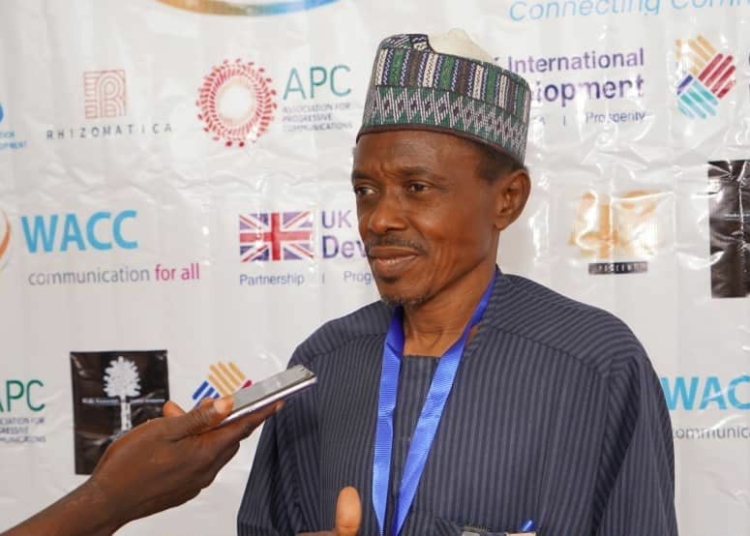
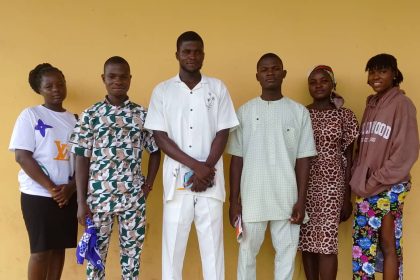
What happened: The Centre for Information Technology and Development (CITAD) concluded a five-day community-network training in Abuja on 4 October. Participants from underserved communities learned how to establish and manage community-based connectivity systems.
Why it matters: CITAD is moving digital inclusion beyond basic computer literacy toward locally managed internet infrastructure. Participant Grace Martin said the programme helped her develop skills including cybersecurity.
Implication: Donors and technology partners should explore community networks as a practical model for closing Nigeria’s connectivity gap.
Over 100 Ebonyi Youths Begin Digital Skills Training

What happened: On 2 October, the Federal Ministry of Education’s IDEAS-TVET Initiative and Guarantee Global Tech and Resources launched Cohort 3 training in Abakaliki for more than 100 young people.
Why it matters: Participants are learning video editing, graphic design, camera handling, content creation and crew skills under a World Bank-supported programme aligned with Nigeria’s National Occupational Standards.
Implication: The next measure of success should be how many participants secure jobs, launch businesses or generate sustainable income.
Digital Agriculture Gets New Policy Push

What happened: NITDA Director-General Kashifu Inuwa called on 4 October for stronger digital infrastructure to expand agricultural extension services. Agriculture Minister Abubakar Kyari also backed greater use of digital tools to reach farmers.
Why it matters: Digital extension can help farmers access information on markets, weather, inputs and production techniques, particularly where conventional extension services are limited.
Implication: Agricultural NGOs, technology companies and development partners have an opening to build practical, locally relevant digital services for farmers.
WATCH CLOSELY
Digital inclusion is becoming a development and governance issue. Community networks, digital skills, platform access and civic participation are increasingly connected. How government and civil society manage this space could significantly shape Nigeria’s digital economy and civic environment ahead of 2027.
HIDDEN OPPORTUNITY
Community digital infrastructure: NGOs, technology firms and local governments can combine community networks, digital literacy, local-language content and agricultural information into integrated rural-development programmes.
OVERLOOKED RISK
The trust gap: If digital-access disruptions, political neutrality concerns and development promises remain unexplained or poorly measured, public confidence in institutions and development programmes could weaken.
Compiled by Nathan Yohanna
For more inquiries:
Website: www.akweyatv.com
Email: info@akweyatv.com
Phone number: +234 904 480 0200
YouTube: @akweyatv
Facebook: @akweyatvglobal
Instagram: @akweyatv
TikTok: @akweyatv