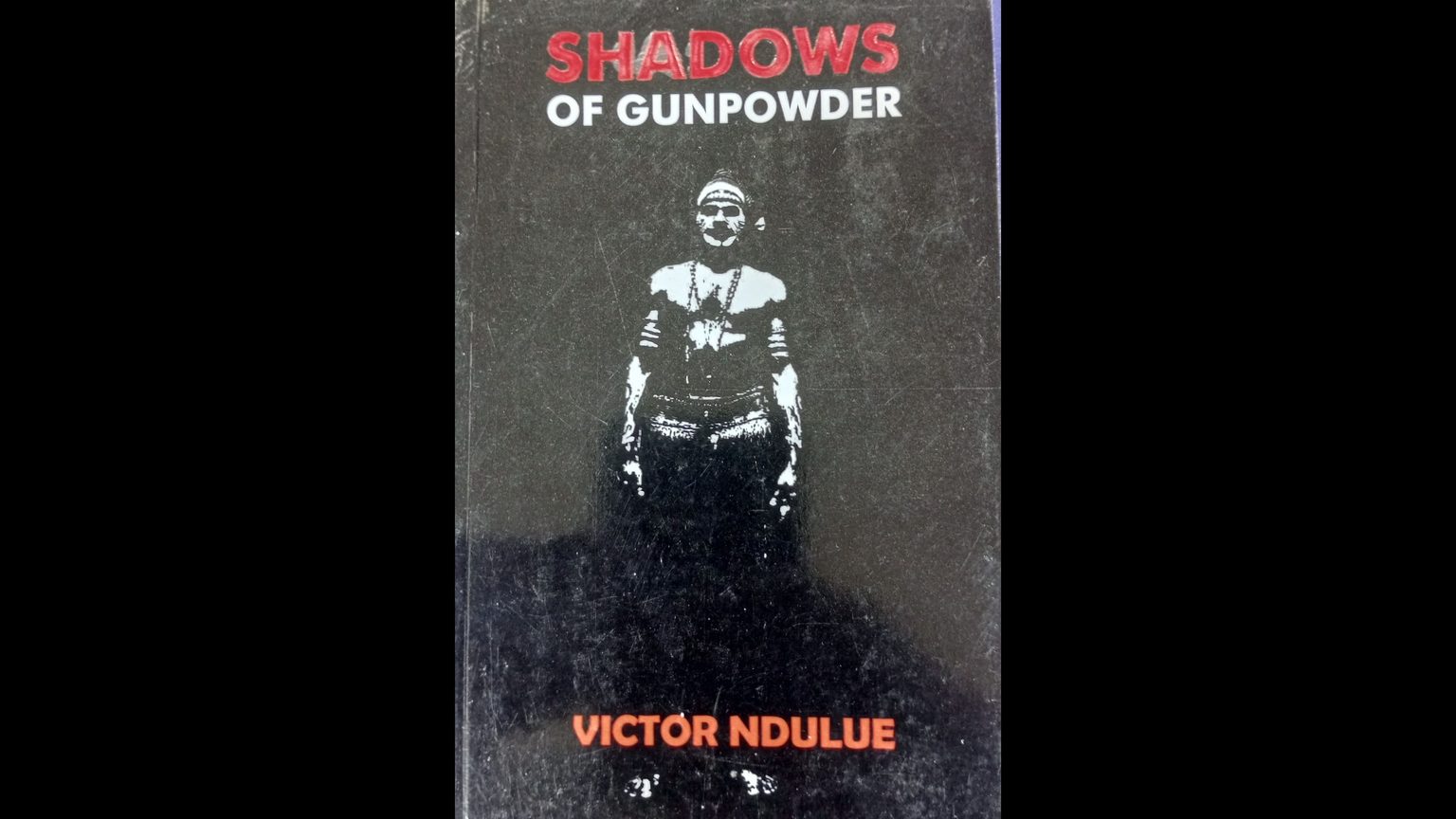

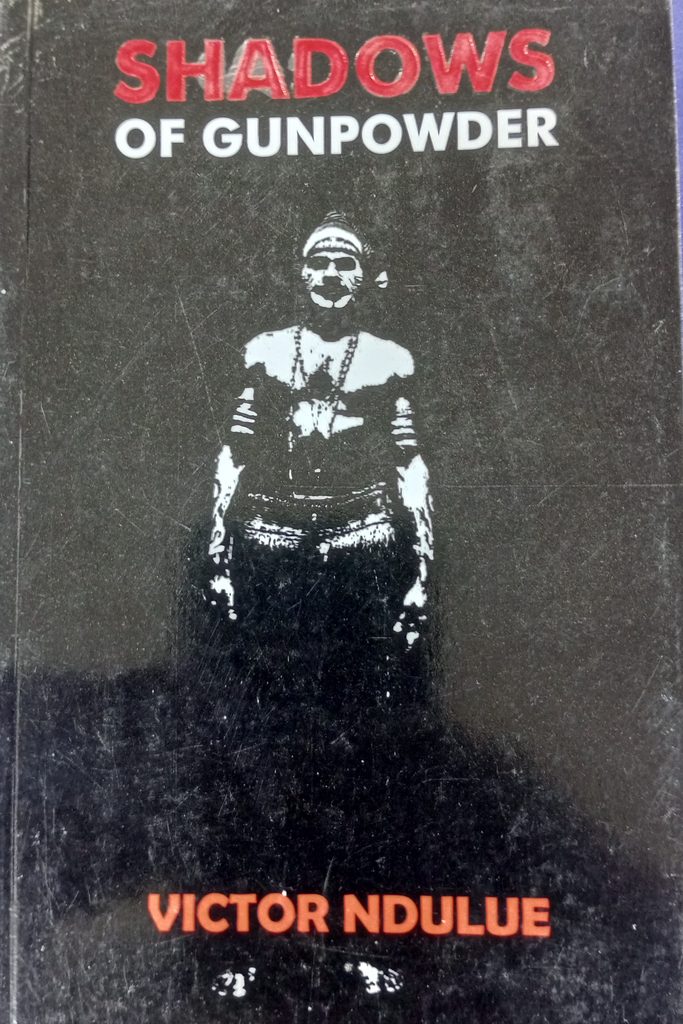
Victor Ndulue’s Shadows of Gunpowder tells the story of Ikeagu, a man whose courage, ingenuity and service to his community earn him widespread recognition but whose later years are marked by loneliness, fading memories and a changing society.
Set against the traditions and communal life of Igbo society, the book explores the meaning of heroism, the expectations placed on older people and the struggle to remain relevant when the world begins to move on.
Through Ikeagu’s experiences, Victor Ndulue presents a story of a man caught between the glory of his past and the realities of old age.
- DEVELOPMENT INSIGHTS MORNING BRIEF 30 OCTOBER, 2026
- Victor Ndulue’s Shadows Of Gunpowder Explores Ageing And Legacy
- NELFUND Moves to Curb Duplicate Tuition Payments
- CSOs Launch Election Data Platform Ahead of 2027 Polls
- FG Empowers 150 Enugu Youths With Future-Ready Skills
About The Author
Victor Ndulue is the author of Shadows of Gunpowder, a work that explores heroism, traditional values, ageing and the changing relationships between generations in an Igbo community.
Through Ikeagu’s story, Victor Ndulue examines how personal achievements are remembered, how cultural expectations shape people’s lives and how older people navigate a society whose priorities may differ from their own.
Further verified biographical information about the author, including his educational background and other published works, would help provide readers with a fuller picture of his literary career.
A Warrior Remembered For His Courage
In his younger days, Ikeagu is a fearless and resourceful man whose reputation extends beyond his village of Anumogoli. Known for his hunting skills, craftsmanship and ability to devise solutions in difficult situations, he becomes one of the community’s most celebrated figures.
One episode that establishes his reputation is his encounter with Nwako, a giant from Iffiteuno who repeatedly terrorises the people of Anumogoli.
On Eke market days, Nwako disrupts trading, scatters merchandise, takes people’s goods and assaults those who cross his path. His actions threaten the safety and livelihoods of the villagers.
Ikeagu eventually confronts the giant and kills him with a razor sharp cutlass after outwitting him. He then displays Nwako’s skull on his fence as a warning to anyone who might threaten his people.
The incident reinforces Ikeagu’s standing as a man of exceptional courage and intelligence. However, as the years pass, his extraordinary deeds gradually become stories from another time, losing some of their significance among those who did not witness them.
As Ikeagu grows older, the qualities that once made him formidable give way to the challenges of ageing. His hearing deteriorates, his eyesight weakens and his memory begins to fade.
Each morning, he takes time to understand his surroundings and establish his bearings before thanking Chukwu for another day of life.
He has outlived many of his contemporaries and lived long enough to see his children, grandchildren and great grandchildren. Yet, despite having a large family, he finds himself longing for the companionship of those closest to him.
His children have their own concerns, and his ideas increasingly seem distant from their interests. The gap between them leaves Ikeagu feeling isolated, with memories of the past becoming one of his few sources of comfort.
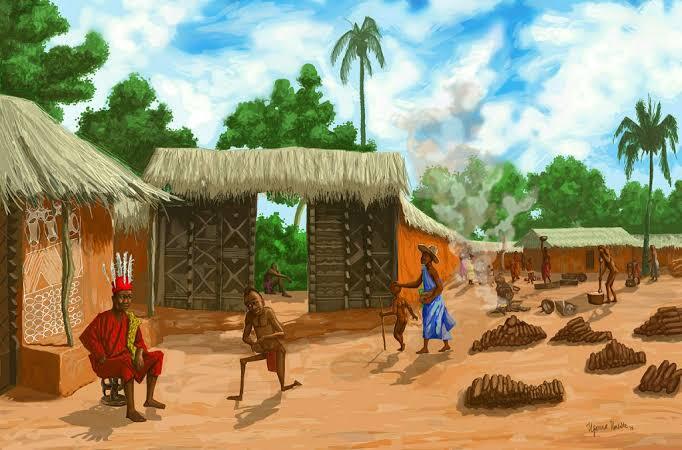
Whenever melancholy sets in, he looks back on the days of struggle, adventure and peaceful existence. He longs for the experiences that shaped his life, even though he knows they cannot be brought back.
Through this part of the story, Victor Ndulue draws attention to a familiar but often overlooked reality, growing old can be especially painful when the people around you no longer show much interest in your experiences or the things that once mattered to you.
Beyond his achievements as a warrior, Ikeagu is portrayed as a man who believes in helping others overcome their difficulties.
His commitment to restoring troubled lives earns him respect and makes him a mentor and father figure to many. Even those who question his abilities eventually seek his help when they have nowhere else to turn.
One such person is Oranakpo, who doubts Ikeagu’s healing abilities but later approaches him when his brother suffers from a serious illness that other efforts have failed to resolve.
Ikeagu refuses to let their strained relationship stand in the way of helping someone in need.
“I know how you feel about me but I will not return resentment for your ill feeling, since life is involved,” he tells Oranakpo.
The response reveals a man who places human life above personal disagreements.
Ikeagu spends three days in the forest gathering medicinal herbs. On his return, he prepares them in a clay pot and gives Oranakpo instructions on administering the remedy. According to the story, his brother recovers after three days.
The episode strengthens Ikeagu’s reputation as a healer and demonstrates that his value to the community extends beyond his youthful exploits. His wisdom, compassion and willingness to help remain important parts of his legacy.
As time passes, Ikeagu struggles to reconcile the world he remembers with the one in which he now lives.
The traditions, values and relationships he once held in high regard appear to be losing their place in the lives of younger generations. His children do not always share his vision, and his longing for the past cannot bridge the distance between them.
The title Shadows of Gunpowder reflects the fading traces of a life once defined by courage, conflict and remarkable achievements. Ikeagu remains the same man in his memories, but the world no longer responds to him as it once did.
Eventually, the disconnect between his cherished past and his present reality becomes so painful that he loses his desire to live.
His decline offers a sobering reflection on the emotional cost of ageing, particularly when recognition fades and meaningful companionship becomes difficult to find.
Shadows of Gunpowder goes beyond the story of a celebrated warrior growing old. It examines what happens when a person who once commanded respect begins to feel forgotten by the people around him.
Ikeagu’s experiences invite readers to reflect on how families treat their elders, how communities preserve the memories of those who served them and whether society gives enough attention to the wisdom of older generations.
His life also shows that a legacy is not built on victories and titles alone. His courage, counsel, healing efforts and willingness to help even those who resent him form an equally important part of his story.