
Residents of the Federal Capital Territory (FCT) have welcomed a proposed bill seeking to prohibit landlords from demanding more than one year’s rent in advance, saying it could ease the financial burden on tenants struggling with rising accommodation costs.
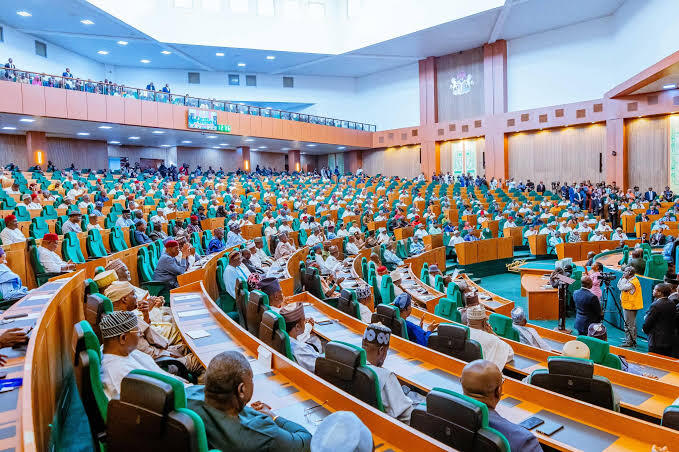
The Federal Capital Territory Advance Rent Regulation and Tenants’ Protection Bill, 2026 (HB 2839), sponsored by Paul Nnamchi and co-sponsored by Ahmed Doro, passed first reading in the House of Representatives on October 22, 2026.
- Nigeria Builds Global Alliance to Fight Child Malnutrition
- NEMA Advises Nigerians On Safety Measures Against El Niño Risks
- House Of Representatives Considers Bill To Limit Advance Rent In Abuja
- Cognitive Distortions: When Your Thoughts Become Your Worst Enemy
- Nigeria Launches Historic Pan-African Film Campaign
The bill seeks to prohibit landlords, estate agents and property managers from demanding more than 12 months’ rent as a condition for granting or renewing a tenancy in the FCT. It also aims to prevent landlords and their agents from using additional charges or separate agreements to circumvent the proposed restriction.

For many Abuja residents, securing accommodation has become increasingly difficult as rising rents and demands for one or two years’ payment upfront put pressure on household finances.
A tenant in Kubwa, Mitchel Istifanus, described the proposed legislation as a welcome development, saying many residents struggle to raise the amount required to secure accommodation.
She said the bill could provide relief if passed into law and effectively enforced, particularly for people who cannot afford to pay several months’ rent at once.
Similarly, Samuel Eze, another Kubwa resident, said paying two years’ rent upfront often forces tenants to exhaust their savings or borrow money, leaving them with little to cover other essential expenses.
In Gwarimpa, civil servant Sanusi Ridwan said the proposed legislation was timely, recalling that the rent for his room-and-parlour apartment had increased from ₦450,000 to ₦1.5 million within four years, while his salary remained unchanged.
Sarah Victor, a resident of Karsana, also said she had been forced to leave two apartments within four years because she could not keep up with successive rent demands and agency fees.
Other residents said limiting advance payments could help workers and families plan their finances better, particularly those who depend on monthly salaries.
However, some tenants expressed concern that landlords might respond to the proposed restriction by increasing annual rents to compensate for the loss of advance payments covering multiple years.
Grace Danjuma called for measures to monitor arbitrary rent increases, arguing that limiting advance payments would offer little relief if annual rents continued to rise unchecked.

Some landlords also raised concerns about the proposal, citing rising construction costs, property maintenance expenses and loan repayments. A property owner in Gwarimpa, Mallam Ibrahim, said advance rent payments helped some landlords meet these financial obligations.
Under the proposed bill, tenants would still be allowed to offer more than 12 months’ rent voluntarily, provided the arrangement is initiated by the tenant, is not coerced and is documented in writing.
The legislation also proposes establishing an FCT Rent Regulation and Tenants’ Protection Authority to monitor compliance, investigate complaints, resolve disputes and order refunds of unlawful payments.
It further proposes fines ranging from ₦500,000 to ₦5 million for individual landlords and ₦5 million to ₦20 million for corporate bodies that violate its provisions.
Beyond regulating advance payments, some residents called for broader housing reforms, including the provision of affordable homes for workers and stronger measures to address rising rents and additional accommodation charges.
They noted that high housing costs have forced some people working in Abuja to relocate to distant communities in neighbouring areas in search of more affordable accommodation.
The bill remains a proposal and must complete the legislative process before it can become law.
For more news, information, stories visit: https://www.akweyatv.com/