

SERAP Takes Nigeria to ECOWAS Court Over ₦78.8bn Social Protection Funds
On 4 November, the Socio-Economic Rights and Accountability Project (SERAP) pursued legal action against the Federal Government at the ECOWAS Court over alleged irregularities involving ₦78.8bn in social protection funds. The Auditor-General’s 2024 report identified financial control deficiencies involving the National Cash Transfer Office and National Social Safety Nets Coordinating Office.
- SERAP Takes Nigeria to ECOWAS Court Over ₦78.8bn Social Protection Funds
- Google.org Awards Helium Health $2.5m for AI-Powered Maternal Care
- GIZ and Sasakawa Africa Association Strengthen Agricultural Training
- LASEPA Marks 30 Years With Stronger Environmental Enforcement
- Health Workers Threaten Fresh Strike Over Delayed CONHESS Adjustment
- Disability Rights Advocate Demands Accessible SGBV Justice Services
Why it matters: Audit queries involve ₦33.751bn in transfers to over 3.2 million households and ₦36.744bn in payments reportedly made without required prepayment audits.
Implication: NGOs should strengthen beneficiary verification, social protection monitoring and public expenditure accountability.
Google.org Awards Helium Health $2.5m for AI-Powered Maternal Care
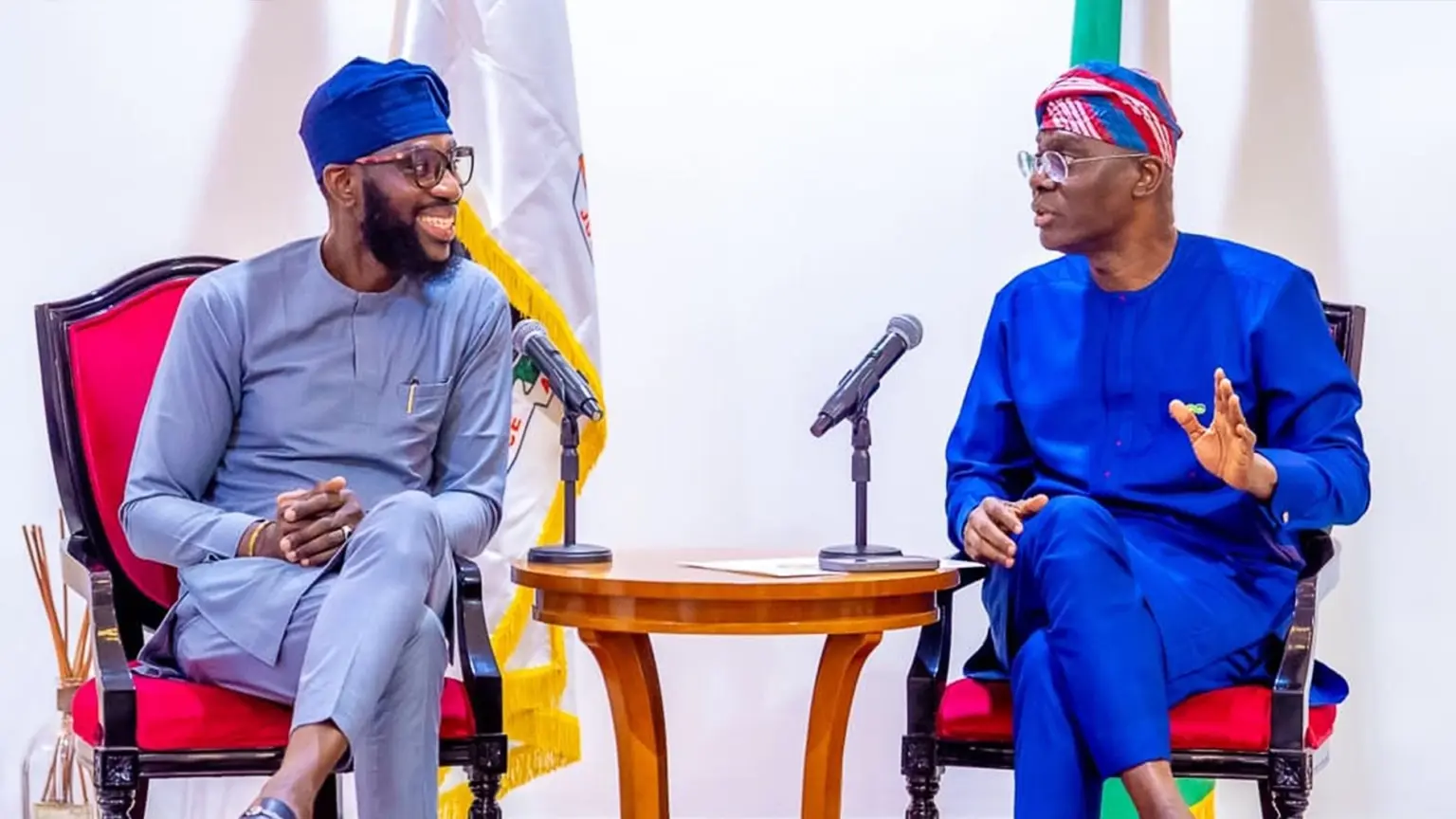
On 4 November, Nigerian health technology company Helium Health announced a $2.5m Google.org grant to deploy clinical AI models in primary maternal healthcare. The initiative was presented in Lagos during a briefing involving Google, Helium Health and Lagos State Governor Babajide Sanwo-Olu.
Why it matters: The programme targets Lagos, Delta, Kano and Oyo, aiming to reach an additional 1.9 million women over three years and contribute to a 30% reduction in maternal mortality.
Implication: Health NGOs should explore partnerships combining AI, primary healthcare and measurable maternal health outcomes.
GIZ and Sasakawa Africa Association Strengthen Agricultural Training
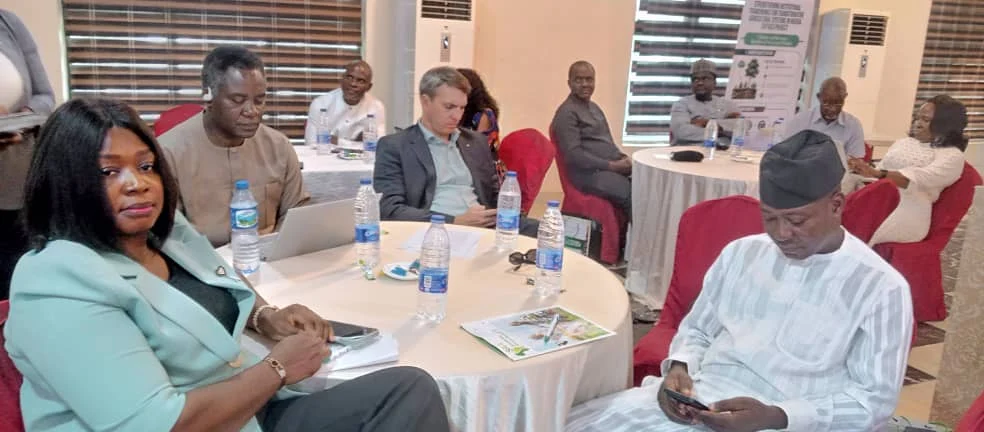
On 4 November in Abuja, GIZ Project Manager Alexis Brakhan highlighted progress under the Strengthening Institutional Frameworks for Transformative Agricultural Systems (SIFTAS), implemented by Sasakawa Africa Association with GIZ funding.
Why it matters: The project developed agroforestry curricula and training materials for cassava, potato and rice, working with universities, agricultural colleges, research institutions and government stakeholders.
Implication: Agricultural partners should prioritise climate-resilient farming and institutional capacity to sustain innovations beyond donor funding.
LASEPA Marks 30 Years With Stronger Environmental Enforcement
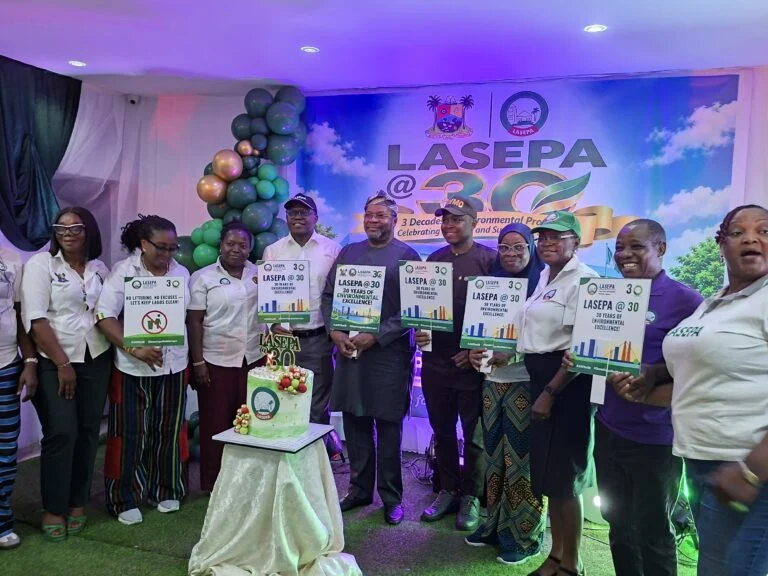
On 4 November, Lagos State Environmental Protection Agency General Manager Dr Babatunde Ajayi reaffirmed plans for tougher environmental enforcement as the agency marked its 30th anniversary.
Why it matters: LASEPA is strengthening compliance measures covering air, water and land pollution. Its Director of Partnerships, Grants Management and Innovation Unit, Shonibare Olabisi, also highlighted public sensitisation, student engagement and potential telecommunications partnerships.
Implication: Environmental organisations should explore collaboration on pollution monitoring, public awareness and community-led environmental protection.
- Aligbor: The Royal Maidens Who Must Run Naked to the Stream for Seven Days
- DEVELOPMENT INSIGHTS MORNING BRIEF 6 NOVEMBER, 2026
- Senate Proposes Jail Term For Doctors Over Delayed Emergency Care
- NSUK Remembers Francis Duru As An Icon And Father Figure
- Mairo Ibrahim Champions Inclusive Governance Through Tunani Initiative
Health Workers Threaten Fresh Strike Over Delayed CONHESS Adjustment

On 4 November, Medical and Health Workers’ Union of Nigeria President Dr Kabiru Sani warned that the Joint Health Sector Unions (JOHESU) could resume industrial action over the Federal Government’s failure to implement the agreed Consolidated Health Salary Structure adjustment.
Why it matters: JOHESU suspended its 84-day strike on 5 February after signing a settlement providing for implementation in April 2026. Outstanding arrears and delays in inaugurating governing boards of federal health institutions remain unresolved.
Implication: Health-sector NGOs should prepare continuity plans and monitor potential disruptions to essential healthcare services.
Disability Rights Advocate Demands Accessible SGBV Justice Services
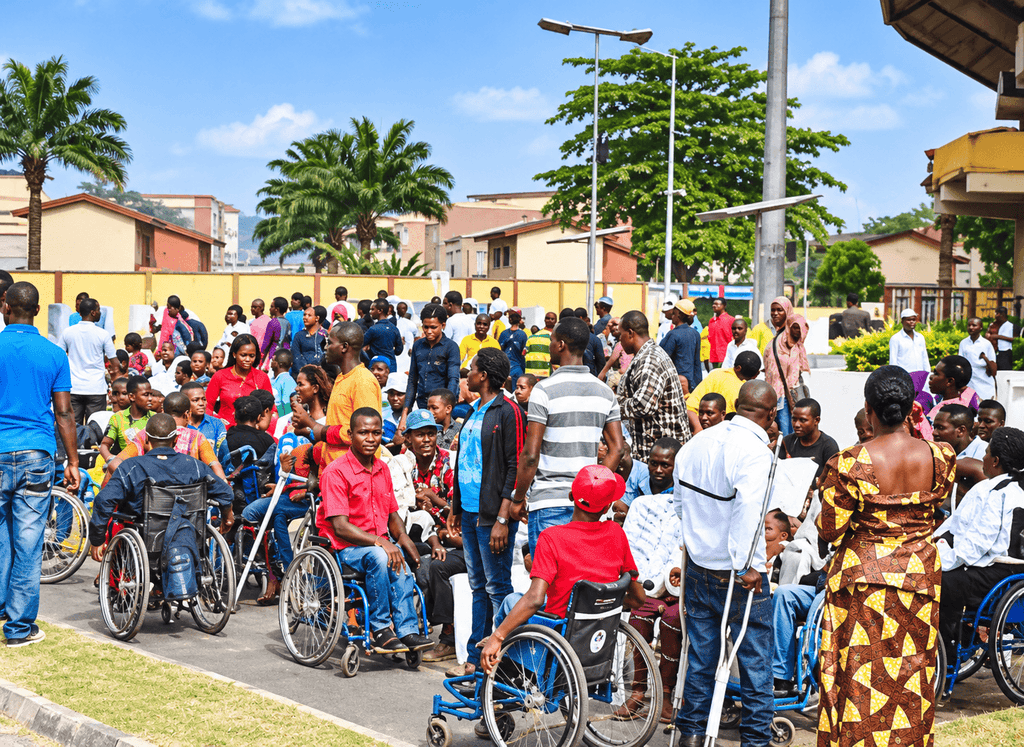
On 4 November, Chris Agbo, Chairman of the National Association of Persons with Physical Disabilities, called for accessible reporting centres, sign language interpreters and stronger institutional support for persons with disabilities experiencing sexual and gender-based violence.
Why it matters: Survivors face inaccessible police stations, stigma, family pressure and communication barriers that can prevent abuse from being reported and investigated.
Implication: Gender-focused NGOs should strengthen disability-inclusive safeguarding policies, survivor referral systems and accessible reporting mechanisms.
WATCH CLOSELY
Development Finance and Accountability: SERAP’s legal action, state budget reforms and health financing initiatives signal growing pressure on institutions to demonstrate that development spending reaches intended beneficiaries.
HIDDEN OPPORTUNITY
Local Accountability Partnerships: NGOs, researchers and development media can collaborate to track social protection payments, healthcare budgets and community-level service delivery.
OVERLOOKED RISK
Exclusion Despite Funding: Weak verification and inaccessible services can prevent vulnerable people from benefiting from programmes. Prioritise transparent reporting, beneficiary feedback and inclusive delivery systems.


