
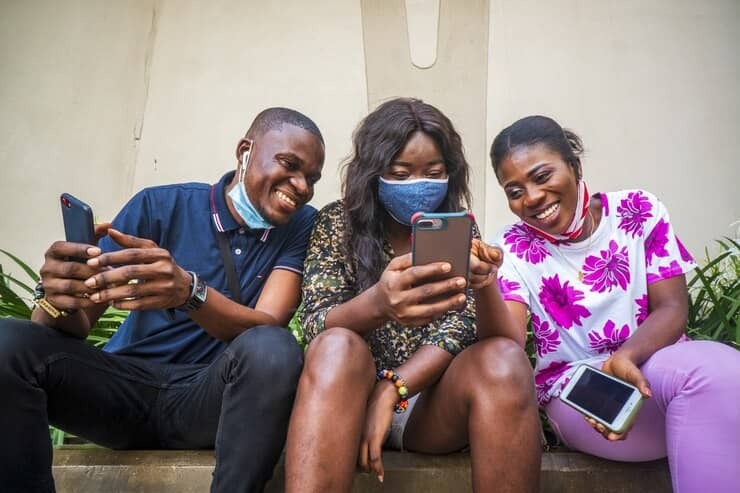

A news story can travel across Nigeria in seconds.
With millions of people using WhatsApp, Facebook, X, TikTok and other digital platforms, information is now easier to access and share than ever before. But the same speed that keeps people informed can also help false and misleading information spread quickly.
A photograph, video or headline can be shared thousands of times before anyone stops to ask a simple question
- World Bank Report Signals Nigeria Poverty Stabilisation
- Lagos Chamber 0f Commerce And Industry Seeks Petroleum Price Reduction
- Nigerian NGOs Demand Equal Voice At UN
- Could Cheaper Petrol Finally Bring Food Relief?
- Abiodun Baiyewu’s Journey In Human Rights And Access To Justice
Fake news and misinformation can take different forms.
They may appear as completely fabricated stories, misleading headlines, altered photographs, edited videos or genuine information presented without the proper context.
Sometimes, an old story or photograph is reposted as though it happened recently. In other cases, a real event may be accompanied by a false claim, making it difficult for readers to separate fact from fiction.
This is why being able to assess information critically has become an important part of using social media.
UNESCO promotes media and information literacy as a way of helping people access, analyse and evaluate information before deciding whether to accept or share it.
Check The Date And Context
The date of a story can be just as important as the information itself.
An old photograph or video can easily be taken from an earlier event and presented as something that happened recently.
Before accepting a post as current, check when the photograph, video or report was originally published. Also consider whether the material actually matches the event being described.
Some false stories are designed to make people react before they think.
Headlines that create fear, anger, shock or excitement can encourage people to share immediately without checking the facts.
A sensational headline does not automatically mean a story is false, but it should be a reason to slow down and examine the information more carefully.
Verify The Story Before You Share
One of the simplest ways to verify a claim is to look for independent confirmation.
Check reputable news organisations, official government or institutional sources, and other reliable platforms. If the claim is genuine, there is often more than one credible source reporting it.
For photographs and videos, users should also consider whether the material has been reused from an older event or altered to support a different claim.
Building A More Informed Online Community
As digital platforms continue to influence how Nigerians receive news and discuss public issues, media literacy is becoming increasingly important.
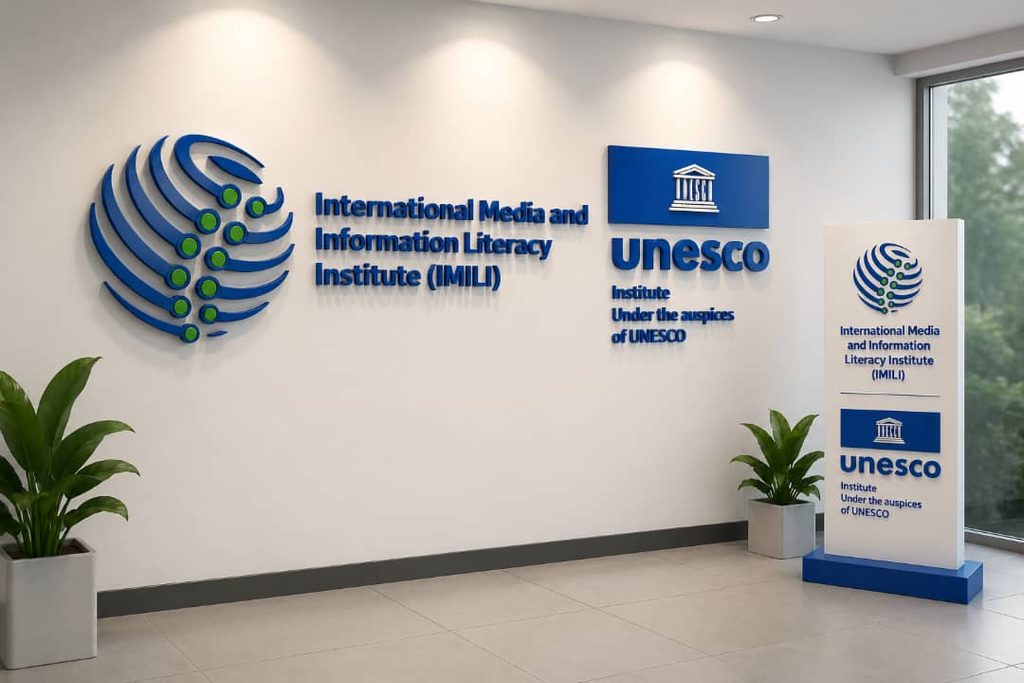
In 2026, an International Media and Information Literacy Institute under UNESCO auspices was launched in Abuja, reflecting growing attention to the need for stronger skills in navigating today’s information environment.
But media literacy is not only the responsibility of journalists, technology companies or institutions. Every social media user has a role to play.
Before forwarding a message, reposting a video or sharing a headline, take a moment to ask: Who said it? When did it happen? Where did the information come from? Can it be verified?
The rule is simple: Pause. Check. Verify. Then share.
A few seconds of careful checking can stop false information from reaching thousands of other people.
For more information, stories and news, visit: https://www.akweyatv.com/



