
NIGERIA’S DEVELOPMENT AGENDA UNDER PRESSURE: SECURITY, HUMANITARIAN FUNDING AND LOCAL ACTION
PLATEAU ATTACKS PUT SECURITY RESPONSE UNDER SCRUTINY
What happened
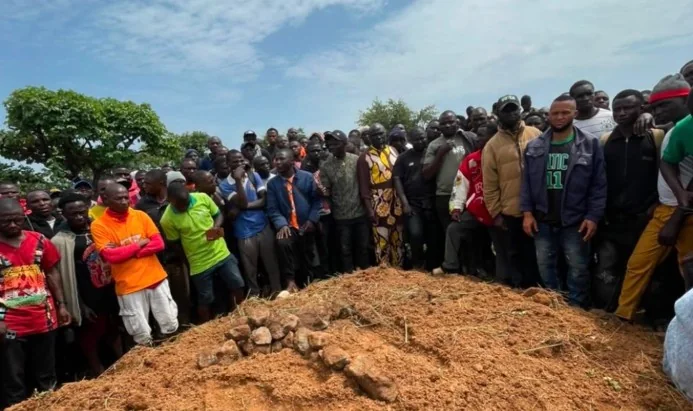
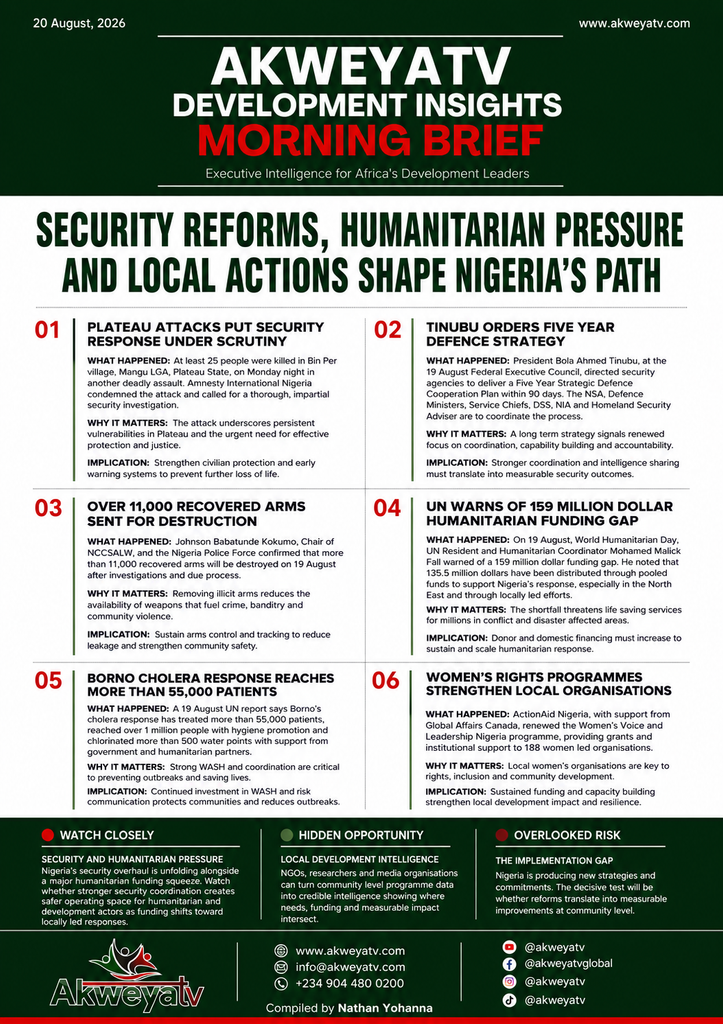
At least 25 people were killed in an overnight attack on Bin Per village, Mangu LGA, Plateau State, on Monday night. Residents said armed attackers moved from house to house. Amnesty International Nigeria called for an investigation into the security failures surrounding the killings.
Why it matters
The attack follows recent killings of two herders in the area and highlights the continuing risk of retaliatory violence in Plateau.
Implication
Development and humanitarian organisations operating in conflict affected communities need stronger early warning, civilian protection and community dialogue mechanisms.
TINUBU ORDERS FIVE YEAR DEFENCE STRATEGY

What happened
At the 19 August Federal Executive Council meeting, President Bola Ahmed Tinubu approved a committee to produce a five year strategic defence cooperation plan within 90 days. The committee includes the NSA, Defence Ministers, Service Chiefs, DSS, NIA and the Homeland Security Adviser.
Why it matters
The move signals an attempt to shift Nigeria’s security response toward longer term coordination and planning.
Implication
Watch whether the strategy improves intelligence sharing, civilian protection and accountability alongside military capacity.
- Akweya Alphabet Series: Words With The Letter GB
- Teachers’ Day: CHRCR Urges Kogi State To Recruit More Teachers, Improve Transport
- Akweya Alphabet Series: Words From Letter G
- Akweya Alphabet Series: The Letter E
- Akweya Alphabet Series: Words With The Letter D
OVER 11,000 RECOVERED ARMS SENT FOR DESTRUCTION
What happened
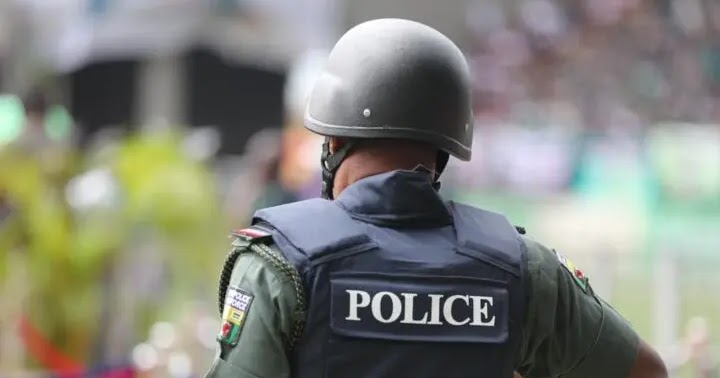
NCCSALW Director General Johnson Babatunde Kokumo said on 19 August that the Nigeria Police Force had transferred more than 11,000 recovered arms to the Centre for destruction after required investigations.
Why it matters
Preventing recovered weapons from returning to criminal networks is critical as illicit small arms continue to fuel violent crime and communal conflict.
Implication
Weapons control efforts should be measured against actual reductions in community level violence.
UN WARNS OF 159 MILLION DOLLAR HUMANITARIAN FUNDING GAP
What happened
On 19 August, World Humanitarian Day, UN Resident and Humanitarian Coordinator Mohamed Malick Fall said Nigeria’s 2026 humanitarian response still faces a 159 million dollar funding gap. Pooled funds had already distributed 135.5 million dollars during 2026.
Why it matters
The funding squeeze comes as humanitarian needs remain high, particularly in the North East, while the UN is pushing for a more nationally led response.
Implication
Nigerian institutions, donors and private sector actors will need to increase domestic and local financing for humanitarian action.
BORNO CHOLERA RESPONSE REACHES MORE THAN 55,000 PATIENTS
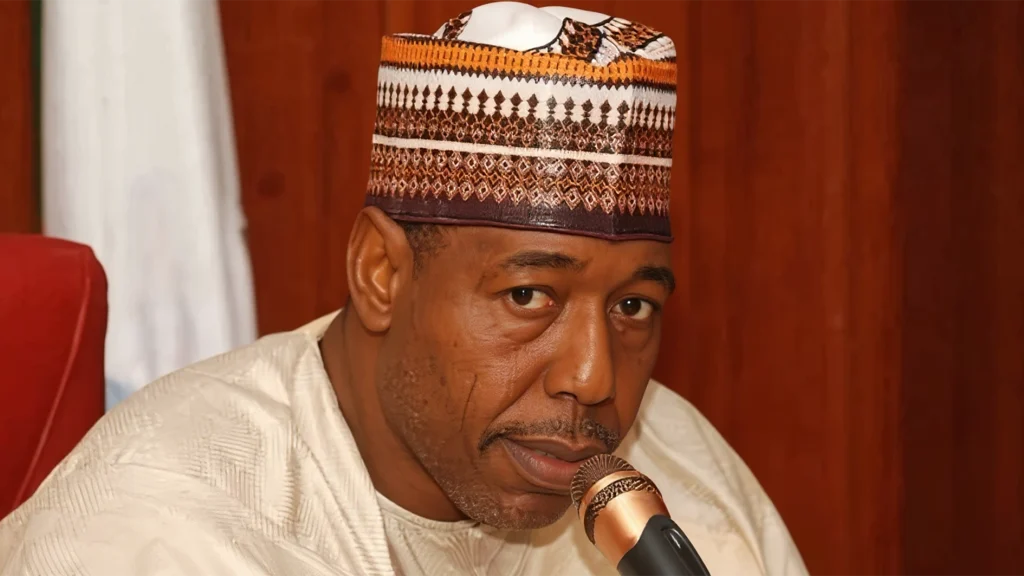
What happened
The UN reported on 19 August that government health authorities, humanitarian organisations and partners had treated more than 55,000 cholera patients in Borno, delivered hygiene promotion to over 1 million people and chlorinated more than 500 water points.
Why it matters
The response demonstrates how government and humanitarian coordination can contain public health emergencies even amid funding constraints.
Implication
Water, sanitation, hygiene, disease surveillance and community health systems remain high value areas for development investment.
WOMEN’S RIGHTS PROGRAMMES STRENGTHEN LOCAL ORGANISATIONS
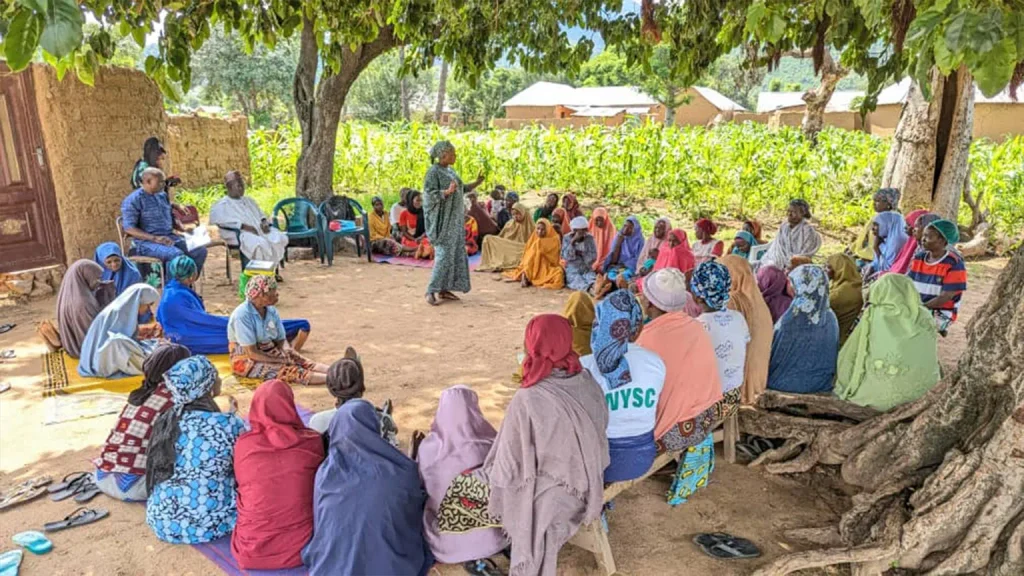
What happened
ActionAid Nigeria, with funding from Global Affairs Canada, is implementing the Renewed Women’s Voice and Leadership Nigeria programme to strengthen women led and women focused organisations through grants and institutional support. The five year programme targets at least 188 organisations.
Why it matters
Stronger local organisations can make women’s leadership, GBV prevention and economic empowerment programmes more sustainable beyond individual projects.
Implication
Donors should increasingly invest in the institutional capacity of local organisations and not only project delivery.
WATCH CLOSELY
SECURITY AND HUMANITARIAN PRESSURE
Nigeria’s security overhaul is unfolding alongside a major humanitarian funding squeeze. The strategic question is whether stronger security coordination can create safer operating space for humanitarian and development actors while funding increasingly shifts toward locally led responses.
HIDDEN OPPORTUNITY
LOCAL DEVELOPMENT INTELLIGENCE
NGOs, researchers and media organisations can turn community level programme data into credible intelligence showing where needs, funding and measurable impact intersect.
OVERLOOKED RISK
THE IMPLEMENTATION GAP
Nigeria is producing new strategies and commitments, but the decisive test will be whether reforms translate into measurable improvements at community level.