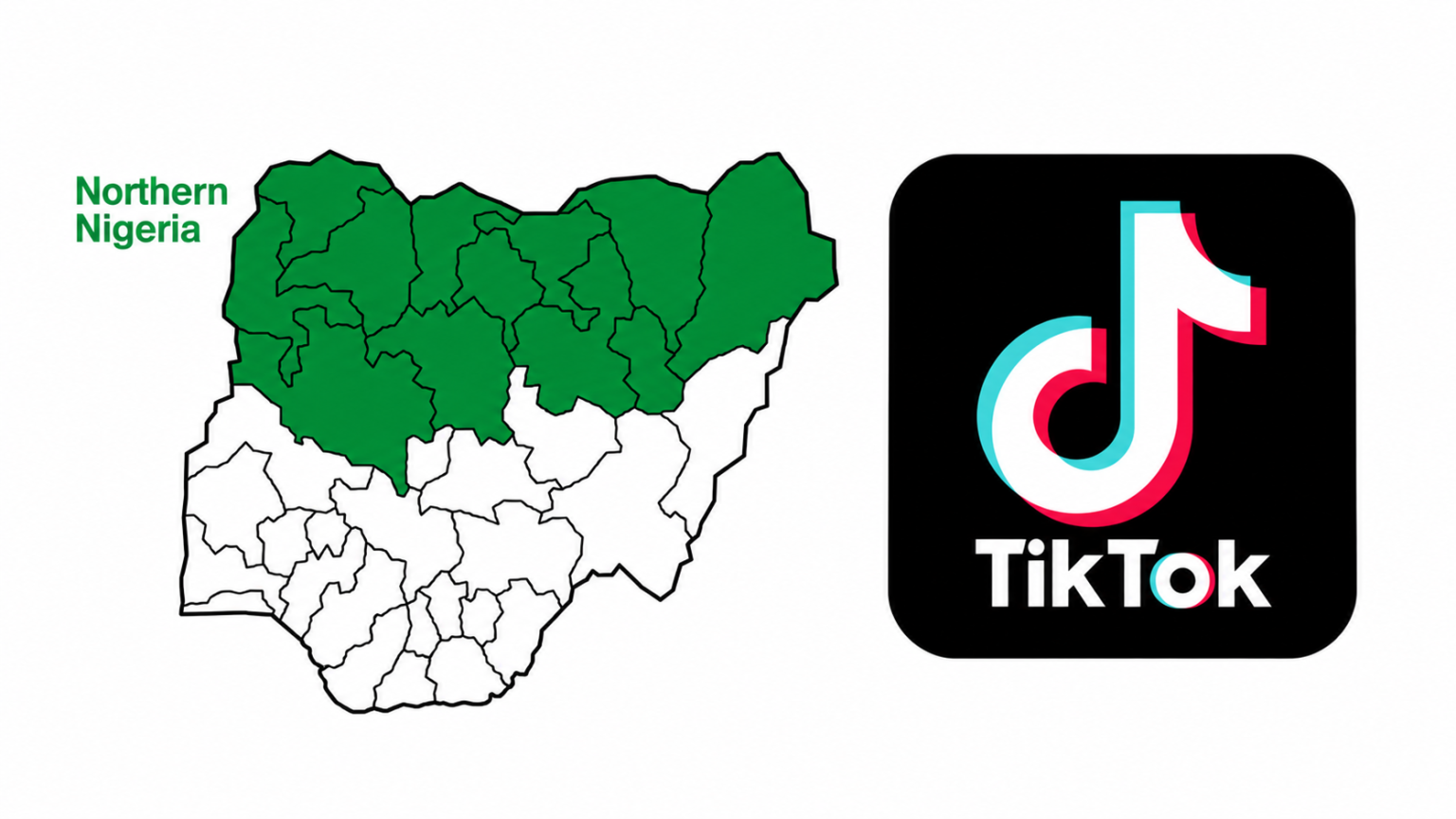

A social media disruption affecting parts of northern Nigeria has triggered fresh concerns about digital rights, freedom of expression and the livelihoods of millions of citizens who depend on online platforms.
In a joint statement issued on Friday, October 3, 2026, a coalition of 12 civil society organisations called on the Federal Government, telecommunications regulators and TikTok to urgently investigate the unexplained disruption reported in Kaduna, Kebbi, Kano and Sokoto states.
According to the coalition, what began as intermittent access difficulties around September 14 has continued for more than two weeks, leaving affected users struggling to load TikTok, watch videos and upload content through ordinary mobile-data connections.
The organisations warned that the disruption could have consequences far beyond entertainment. For content creators, small businesses, journalists and other digital entrepreneurs, social media platforms have become important channels for earning income, sharing information, reaching customers and participating in public discussions.
One troubling detail highlighted in the statement is that some affected users reportedly regained access through virtual private networks (VPNs). However, preliminary investigations have not established whether the problem resulted from a technical failure, network-routing difficulties, a TikTok malfunction, traffic-management measures or an intentional restriction.
The coalition stressed that the available information does not establish who or what caused the disruption. Nevertheless, it expressed concern that no public explanation had clarified the situation despite the prolonged difficulties.

The organisations are now urging the Nigerian Communications Commission (NCC), the National Information Technology Development Agency (NITDA), the Office of the National Security Adviser (ONSA), affected telecommunications operators and TikTok to work together to establish the cause and publish their findings.
They also called for independent technical testing to determine whether network interference, blocking, throttling or other technical problems might explain the reported difficulties.
Beyond the immediate investigation, the coalition wants authorities to disclose any government directive affecting access to TikTok, if one exists, including its legal basis, purpose, scope and duration. It also called for a transparent system requiring timely public information whenever significant internet disruptions occur.
The statement referenced Section 39 of Nigeria’s 1999 Constitution, as amended, which protects freedom of expression, including the right to receive and impart information, subject to constitutionally permitted limitations.
The organisations warned that broad restrictions on digital platforms could undermine access to information, civic participation and economic activity. They argued that legitimate security concerns should be addressed through targeted, lawful and proportionate measures rather than unexplained restrictions affecting an entire platform.
The coalition also urged TikTok to clarify whether it had identified technical problems affecting users in northern Nigeria and to communicate any relevant findings or restoration timelines.
The statement was jointly issued by Accountability Lab Nigeria, the Centre for Journalism Innovation and Development, Digital Africa Research and Safety Lab, DigiCivic Initiative, Gatefield, Hope Behind Bars Africa, Media Rights Agenda, Paradigm Initiative, RACE Africa, Spaces for Change, TechHerNG and TechSocietal.
- Jigawa Community Gets Solar-Powered Borehole
- Over 100 Ebonyi Youths Begin Digital Skills Journey
- Northern Nigeria’s TikTok Blackout Sparks Rights Alarm
- CISLAC: Corruption, Government Waste Worsen Nigerians’ Hardship
- Nollywood, Family And Friends Bid Final Farewell To Olu Jacobs
As the investigation remains unresolved, the organisations say they will continue monitoring reports from affected users and engaging relevant stakeholders.
For millions of Nigerians who increasingly depend on digital platforms to work, communicate and access information, the central question remains unanswered: what is preventing TikTok access in these communities, and when will the public receive a clear explanation?
The coalition insists that transparency, independent verification and accountability must guide the response.