

Nigeria has rejected proposed United Nations budget cuts that could undermine development programmes, peacekeeping operations and the interests of developing countries, calling for reforms that protect the organisation’s ability to deliver on its mandate.
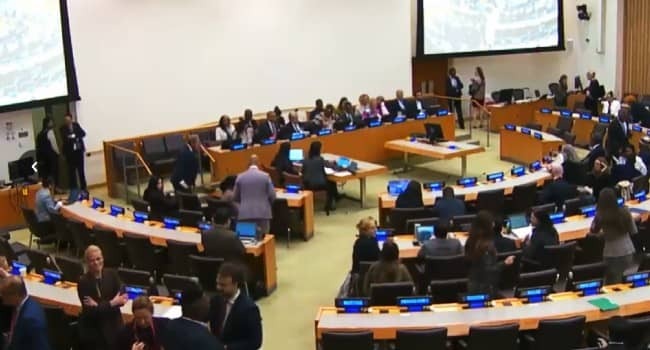
Nigeria’s position was presented by its Deputy Permanent Representative to the UN, Ambassador Martin Adamu, during deliberations on the proposed 2027 regular programme budget of 3.302 billion dollars at the UN General Assembly’s Fifth Committee in New York.
- Nigeria Rejects UN Budget Cuts Over Development, Peacekeeping
- Nigeria’s Media Legends Set for Historic Recognition
- Nigeria’s ₦16.5 Trillion Energy Challenge Sparks New Hope
- Foundation Restores Hope for 3,000 Nigerians
- Sports Media Partnership Could Unlock Jobs
Ambassador Martin Adamu said Nigeria supported reforms aimed at improving efficiency and accountability but warned that cost-cutting measures must not weaken the organisation’s operational capacity.
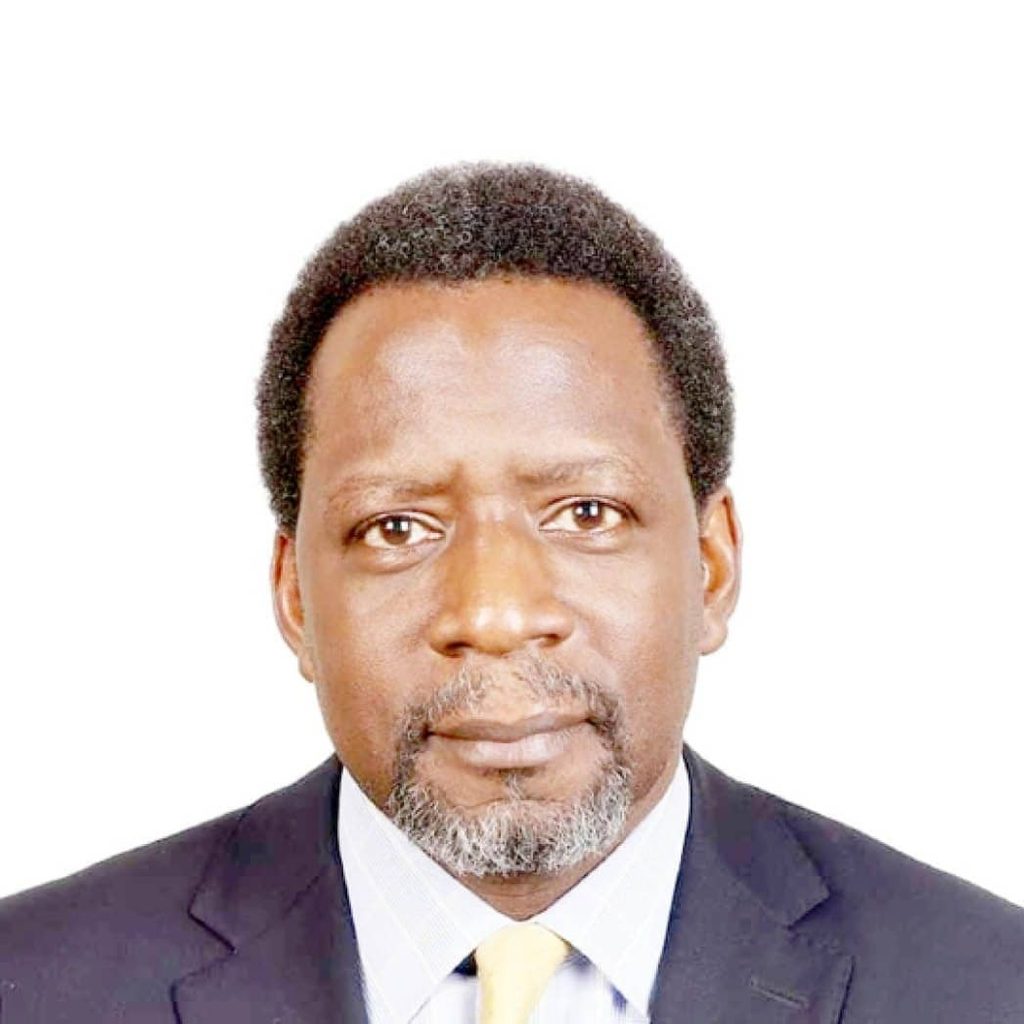
“Reforms must, however, remain not only member state-driven, transparent, and inclusive, but must also strengthen the organization’s capacity to deliver on its mandates,” he said.
He stressed that the UN must maintain adequate funding for development, peacekeeping, peacebuilding and conflict prevention, particularly as developing countries continue to depend on its programmes and interventions.
The Nigerian representative also called for comprehensive assessments of proposed restructuring measures before implementation, insisting that their implications for staffing, operational effectiveness and approved mandates must be carefully considered.
Ambassador Martins Adamu further emphasised the need to preserve equitable geographical representation within the UN Secretariat, warning against changes that could disadvantage countries in the Global South.
On development coordination, Nigeria advocated sustainable funding for the UN Resident Coordinator System, which coordinates the activities of UN agencies at the country level.
“Assessed contributions provide the most predictable, sustainable, and equitable basis for financing the resident coordinator system,” Ambassador Martins Adamu said.
He reaffirmed Nigeria’s commitment to constructive negotiations and the timely approval of the proposed budget.
Meanwhile, the committee’s chairman and Nigeria’s Permanent Representative to the UN, Ambassador Jimoh Ibrahim, announced that Nigeria had fully paid its assessed contribution to the organisation’s regular budget for 2026.
Ambassador Jimoh Ibrahim also urged other member states to fulfil their financial obligations promptly and without conditions.
The proposed 2027 budget represents a reduction of approximately 40.8 million dollars compared with the approved 2026 budget, as the UN pursues administrative reforms and cost-saving measures.


