


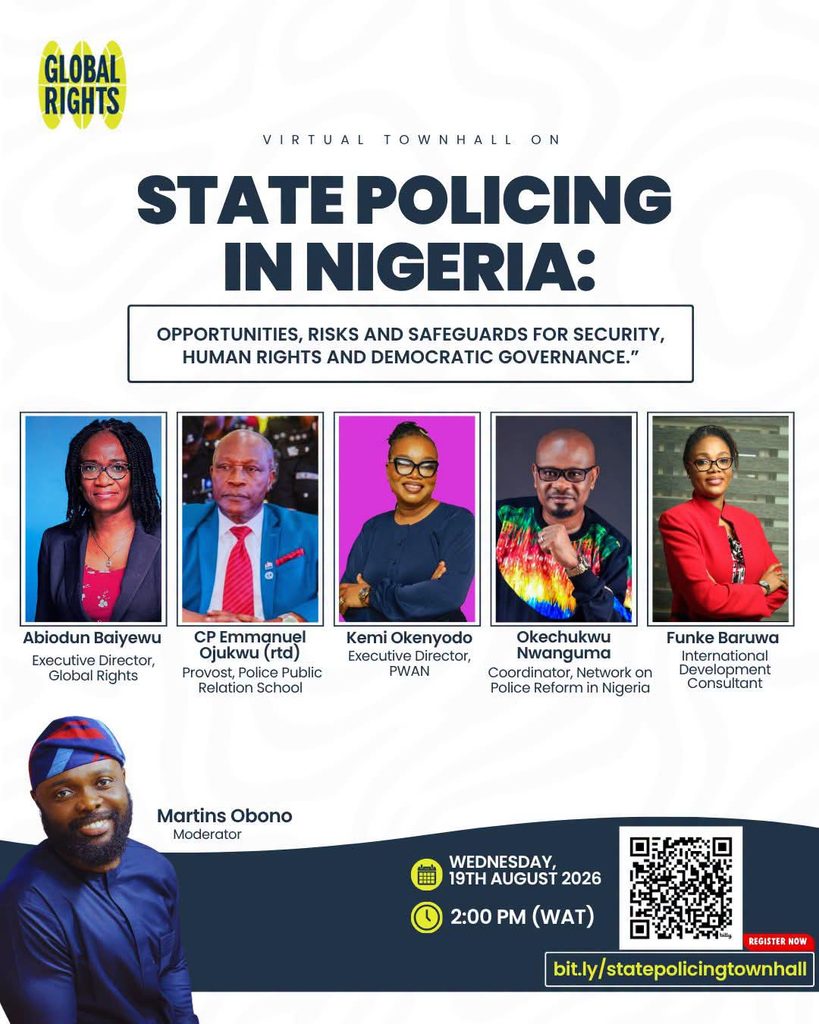
Experts in policing, human rights, governance and security have warned that Nigeria’s proposed state police system could worsen political repression and human rights violations without strong accountability, adequate funding, professional training and safeguards against political interference, during a Global Rights virtual town hall on Wednesday, August 19, 2026. The discussion brought together stakeholders with experience in police reform, human rights, security governance and development to examine the proposed decentralisation of policing in Nigeria amid growing concerns over insecurity and the capacity of the existing policing structure to respond effectively to communities. The virtual town hall was moderated by Martins Obono, while the panel comprised Abiodun Baiyewu, Executive Director of Global Rights; CP Emmanuel Ojukwu (rtd.), Provost of the Police Public Relations School; Kemi Okenyodo, Executive Director of Partners West Africa Nigeria (PWAN); Okechukwu Nwanguma, Coordinator of the Network on Police Reform in Nigeria (NOPRIN); and Funke Baruwa, an international development consultant.
- Governance failures remain central concern
- Fear of political capture
- State policing should not become state militia
- Ojukwu backs state police with conditions
- Funding and welfare pose major questions
- Representation and human rights safeguards
- 2027 elections raise concerns
- “Decentralise policing, not impunity”
The conversation comes as Nigeria considers constitutional and legislative changes aimed at creating a decentralised policing structure that would operate alongside the Nigeria Police Force. Opening the discussion, speakers noted that the push for state policing has largely been driven by Nigeria’s worsening security challenges, inadequate police presence in some communities and declining public confidence in the ability of existing security institutions to protect citizens. However, the panel stressed that creating state police should not be treated as a quick solution to the country’s insecurity.
Governance failures remain central concern

Kemi Okenyodo argued that state police should not be viewed as a “silver bullet” for Nigeria’s security challenges, stressing that many of the problems driving insecurity are rooted in governance failures rather than the absence of another police structure. She pointed to factors including lack of opportunities for young people, impunity, unequal application of the law, weak state institutions and political capture as issues that must be addressed alongside any policing reform.
According to Okenyodo, simply establishing another layer of police without fixing these underlying problems could result in states reproducing the same weaknesses currently associated with the federal policing system. She also raised concerns about the recruitment of state police personnel in a country where ethnic, religious and identity politics remain significant challenges. She argued that state police must represent everyone living and working in a state rather than becoming an “indigenous” security apparatus dominated by a particular ethnic or religious group.
Fear of political capture
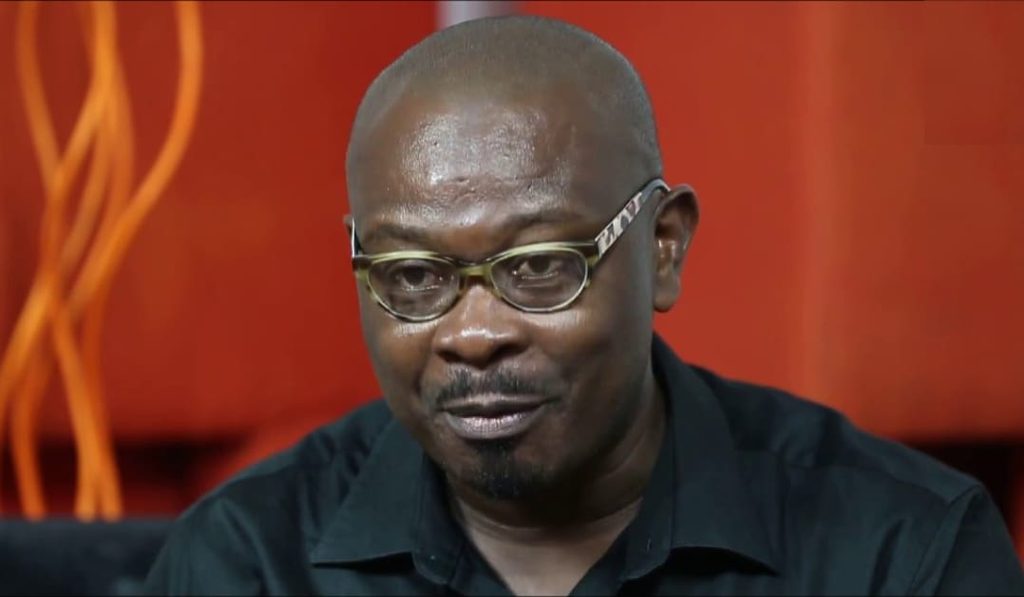
Okechukwu Nwanguma also expressed concern that state police could become an additional instrument of political control if adequate safeguards are not established. Nwanguma argued that Nigeria already has a framework for decentralising aspects of policing under the Police Act 2020 and questioned the need to create another structure without first fully implementing existing reforms. He maintained that the focus should be on strengthening the existing police system through deeper decentralisation, including greater operational autonomy, resources and decision-making at lower levels.
Nwanguma warned that giving state governors direct control over police structures could create opportunities for the police to be used against political opponents, particularly during elections.
He further argued that existing laws already contain safeguards against police abuse, but that the bigger problem is the failure to enforce those safeguards. “impunity” and unchecked power remain central problems in Nigeria’s policing system he said’ He therefore called for greater enforcement of the Police Act and stronger mechanisms for devolving police resources and decision-making while maintaining accountability.
State policing should not become state militia

Professor Chidi Odinkalu, who contributed extensively to the discussion, raised concerns about the historical and institutional implications of state-controlled policing. Odinkalu argued that Nigeria must first determine the kind of policing model it wants before establishing new police structures. He also distinguished between policing and broader security operations, describing policing primarily as a law-enforcement function centred on investigation, evidence, lawful arrest and enforcement of laws.
Odinkalu warned that simply converting existing state security outfits into formal police structures could create what he described as state militias rather than professional police services. He cited concerns about existing security outfits and warned that giving such structures more sophisticated weapons, uniforms and legal authority without proper training and institutional controls could increase risks to citizens. For Odinkalu, training is one of the most fundamental requirements for any future policing reform. Without effective police training institutions, it would be difficult to establish professional standards or hold officers accountable for failing to meet those standards. He concluded.
Ojukwu backs state police with conditions
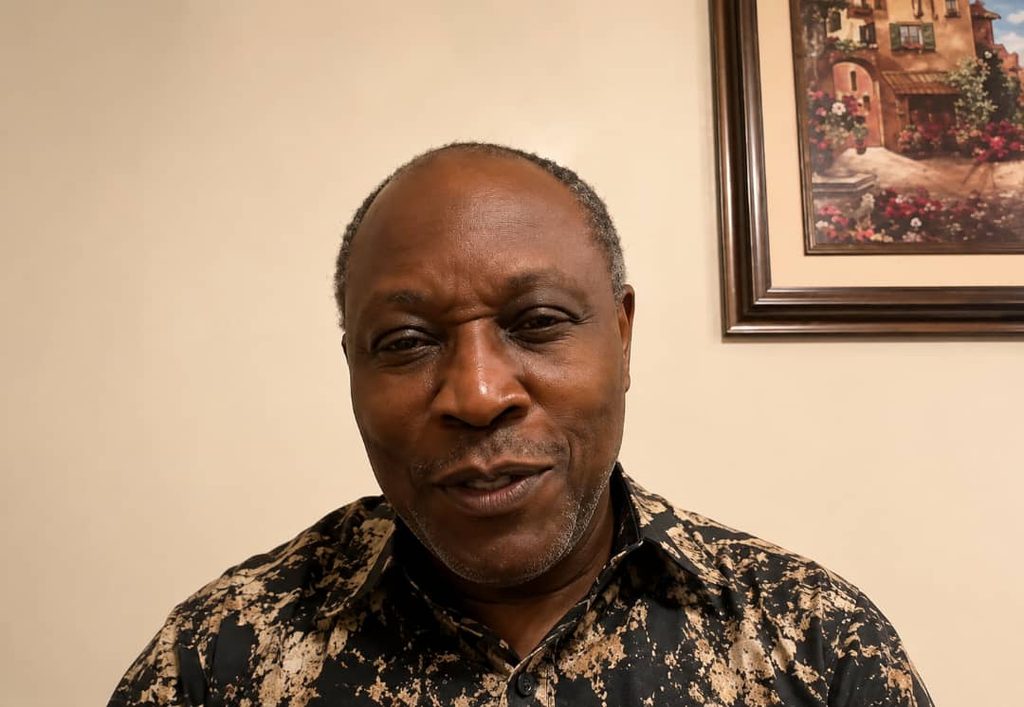
Retired Commissioner of Police Emmanuel Ojukwu took a more supportive position on the establishment of state police, arguing that decentralised policing could contribute to addressing Nigeria’s security challenges if the necessary structures are properly established. Ojukwu, who served in the Nigeria Police Force for more than three decades, stressed that Nigerians must “own” their police institutions and provide the legal, constitutional, infrastructural and financial resources required to make them effective.
He cautioned, however, that state policing should not be rushed and could take years to become fully operational. According to him, states must establish appropriate structures, systems and processes before state police can effectively contribute to tackling insecurity he noted. He also emphasised the importance of training and national policing standards, arguing that police officers across different states should operate according to consistent professional procedures. Ojukwu further distinguished state policing from community policing, stressing that effective policing requires collaboration between police officers and the communities they serve.
- Nigeria’s State Police Debate Takes a Shocking Turn as Experts Warn of Decentralised Abuse
- Experts Warn Against Decentralising Impunity as Nigeria Weighs State Police
- DEVELOPMENT INSIGHTS MORNING BRIEF, 20 AUGUST 2026
- The Family Behind the Addiction
- DEVELOPMENT INSIGHTS MORNING BRIEF, 19 AUGUST 2026
Funding and welfare pose major questions
The panel also raised concerns about whether Nigeria’s 36 states have the financial capacity to establish and sustain their own police forces. Speakers noted that several states already struggle to meet obligations such as salaries and pensions, raising questions about how they would finance recruitment, training, equipment, uniforms, infrastructure and welfare for additional police personnel. Ojukwu warned that inadequate funding could create conditions in which poorly paid officers become vulnerable to corruption. Panelists therefore stressed that adequate remuneration, healthcare, education, retirement benefits and other welfare provisions should form part of the proposed policing structure.
Representation and human rights safeguards

Okenyodo identified several safeguards she considered essential if state police is eventually established.
She called for mechanisms to prevent political and financial capture, warning against situations where wealthy individuals or political actors could influence police structures through private funding. She also called for representative recruitment that reflects the ethnic, religious and social composition of communities. According to her, state police should not become an instrument that protects only the dominant population in a state or targets people who are regarded as non-indigenes.
She further advocated strong institutional oversight involving bodies such as the National Human Rights Commission and state Houses of Assembly. Funke Baruwa similarly warned that decentralising police structures without improving accountability could simply decentralise human rights violations. Baruwa argued that the proposed system must involve genuine institutional reform rather than merely transferring the existing command structure from the federal level to state governments. She identified training as her key non-negotiable safeguard, stressing that officers must be adequately prepared before being given policing powers, weapons and responsibility for protecting citizens.
2027 elections raise concerns
The approaching 2027 general elections featured prominently in the discussion, with speakers expressing concern about the possibility of state police being used to influence electoral processes. Panelists argued that any new policing structure must include specific safeguards to prevent political intimidation, suppression of opposition and interference with citizens during elections. Professor Odinkalu went further, advising that consideration of state police should not be rushed ahead of the 2027 elections. He argued that the issue requires a full national conversation involving citizens and stakeholders at multiple levels rather than being pushed through during an approaching election cycle. He called for a more deliberate process after the election and the inauguration of the next administration, arguing that adequate time should be provided for Nigerians to examine and debate the proposed system.
“Decentralise policing, not impunity”
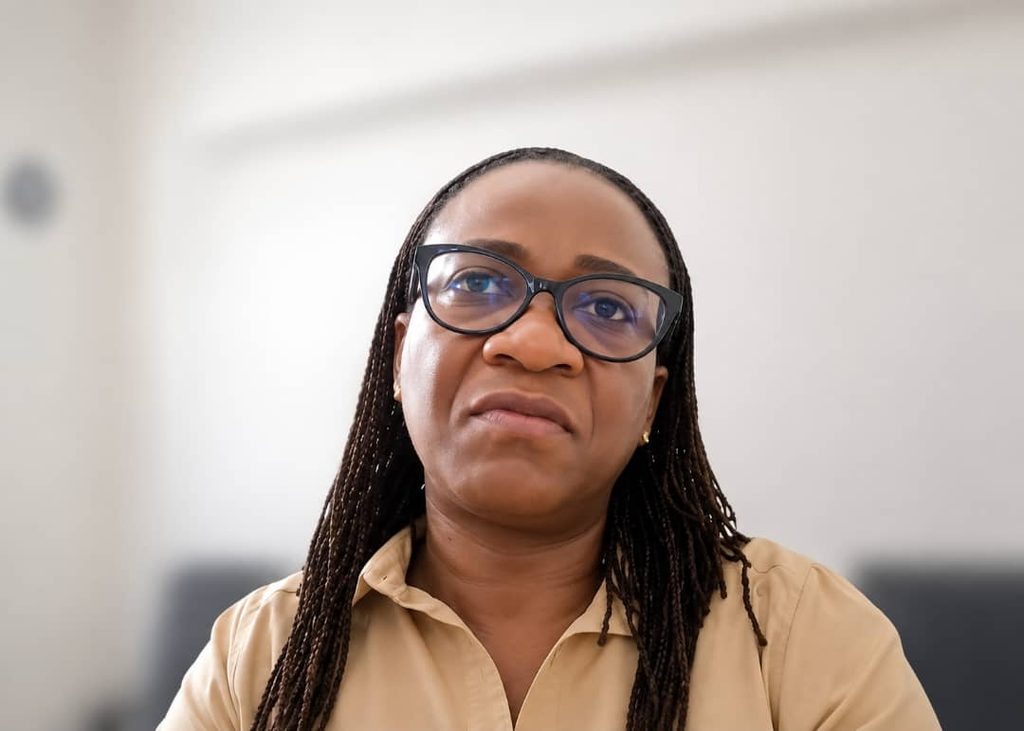
A major theme that emerged throughout the town hall was that decentralising policing should not mean decentralising abuse of power. The panel also called for clearer delineation of responsibilities between federal and state police, particularly where their mandates could overlap with those of agencies such as the Economic and Financial Crimes Commission (EFCC), Independent Corrupt Practices and Other Related Offences Commission (ICPC), National Drug Law Enforcement Agency (NDLEA) and Nigeria Security and Civil Defence Corps (NSCDC). Concerns were also raised about how federal and state police would resolve jurisdictional disputes over offences that may have both local and national security implications.
In its closing remarks, Global Rights stressed that the debate should move beyond the simple question of whether Nigeria needs state police to a broader examination of what kind of policing system the country is prepared to build. The organisation emphasised that the ongoing legislative process provides an opportunity for citizens, civil society organisations and other stakeholders to contribute to the proposed framework. The town hall ended with a call for continued public engagement, stronger human rights safeguards and careful consideration of the institutional, financial and democratic implications of state policing.




