
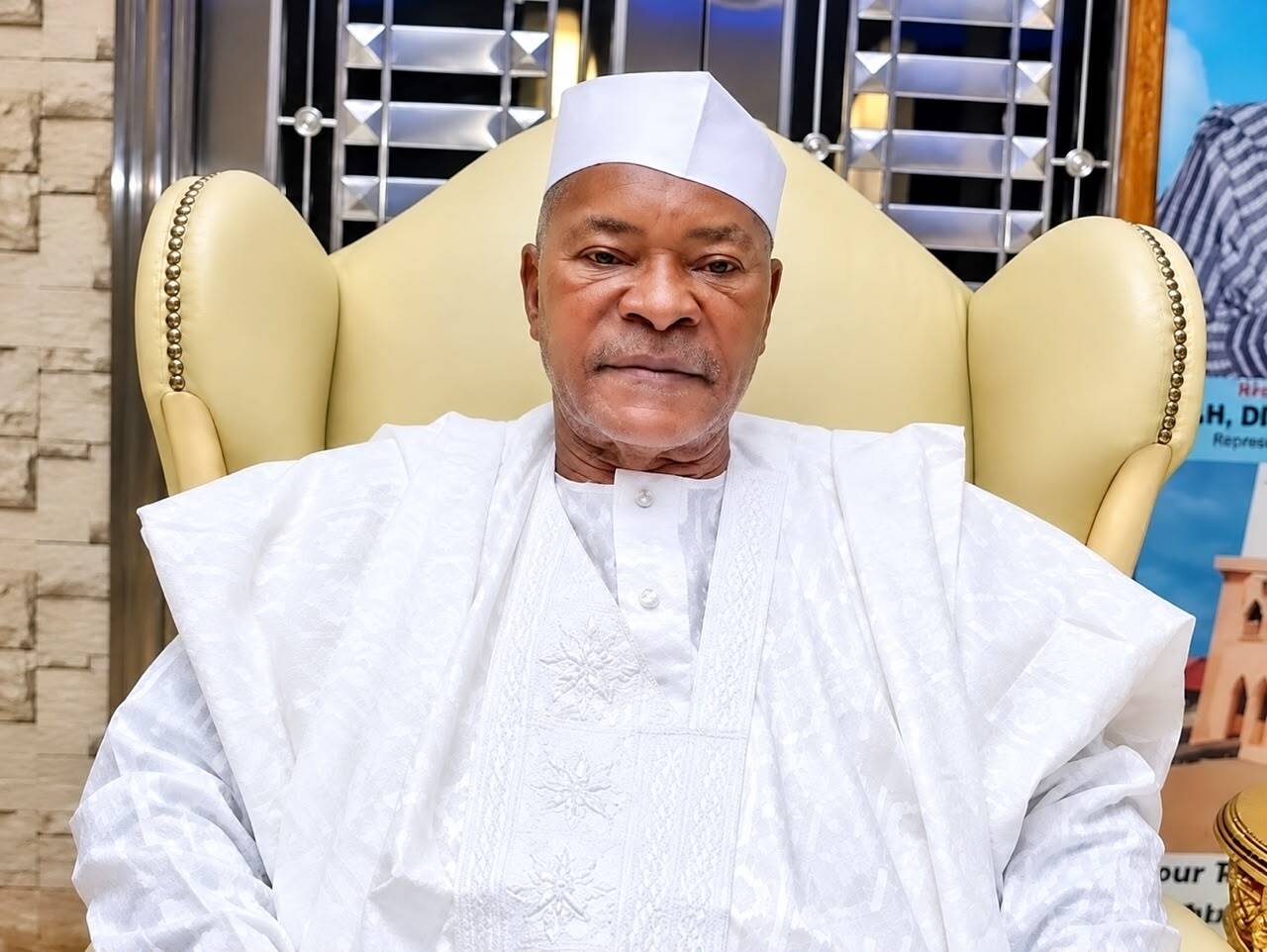

The death of former Kogi State Governor, Alhaji Ibrahim Idris, popularly known as “Ibro,” at the age of 77 has brought renewed attention to a significant period in the political and developmental history of the state.
Alhaji Ibrahim Idris governed Kogi from 2003 to January 2012, making his administration one of the longest civilian administrations in the state’s early democratic years.
His time in office was marked by political contests, court battles and a governorship re-run. But beyond the politics, the period was also associated with investments in education, healthcare, roads, water supply, housing, markets and other public infrastructure.
More than a decade after he left office, some of the projects and programmes associated with his government remain part of discussions about Kogi’s development.
Here are six reasons the Ibrahim Idris administration remains notable.
- Akweya TV Celebrates Interns’ 12-Week Journey
- 6 Reasons Ibrahim Idris Administration Remains Notable
- David Ugolor Advancing Good Governance In Nigeria
- Paradigm Initiative Takes AI Priorities to UNGA 81
- DEVELOPMENT INSIGHTS MORNING BRIEF, 21 SEPTEMBER 2026
1. Nearly Nine Years In Office
One of the defining features of the Alhaji Ibrahim Idris administration was the length and political significance of his time in office.
Alhaji Ibrahim Idris emerged as governor in 2003 after defeating the incumbent, Prince Abubakar Audu. Four years later, the 2007 governorship election triggered another major legal battle.
Although Alhaji Ibrahim Idris was initially declared winner, the result was later nullified by the courts, leading to a re-run election in 2008, which he won.
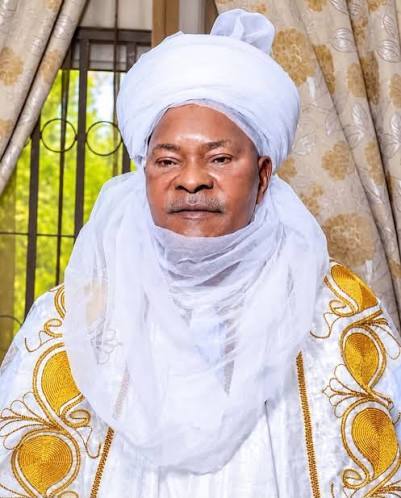
The sequence made his tenure different from a straightforward eight year political cycle. His administration operated through elections, litigation and another electoral contest before eventually handing over to Captain Idris Wada in January 2012.
The extended period also gave the government time to initiate and execute projects that required several years to complete.
For supporters, the longevity provided continuity. For those studying Kogi’s political history, the period remains important in understanding the state’s transition through the early years of democratic rule.
2. Education And Student Welfare
Education was one of the sectors in which the Idris administration sought to make a visible impact.
The government was credited with constructing and renovating school facilities across different parts of the state, with retrospective accounts putting the number of primary school blocks constructed during the period at about 2,000.
The projects were aimed at addressing challenges such as inadequate classrooms, overcrowding and deteriorating school infrastructure, particularly in communities where access to suitable learning facilities remained a concern.
The administration also supported the development of Kogi State University, Anyigba, through funding and infrastructure.
Beyond physical infrastructure, the government introduced measures aimed at reducing some of the financial pressure on students and their families.
Scholarships and bursaries were provided, while the government supported the payment of WAEC and NECO examination fees for secondary school students.
For families struggling with the cost of education, assistance with examination fees could determine whether a child was able to complete secondary school.
The education record associated with the Idris years was therefore not limited to constructing classrooms. It also included efforts to make education more accessible and affordable to students.
3. Investment In Healthcare
Healthcare was another major area of investment during the Idris administration.
One of the prominent projects associated with the period was the Specialist Hospital and Referral Centre in Lokoja, conceived to improve access to specialised medical services within the state.
For residents who previously had to travel outside Kogi for certain forms of treatment, the development of specialist facilities represented an opportunity to access more services closer to home.
The administration also invested in hospitals and primary healthcare centres in other parts of the state.
This was particularly important in Kogi, where communities are spread across a large geographical area and residents cannot rely solely on facilities in the state capital.
The broader approach was to strengthen healthcare at different levels providing basic services within communities while creating facilities capable of handling more complicated cases.
The long term relevance of these investments is tied not only to the structures built at the time but also to their continued role in the state’s healthcare system.
4. Infrastructure Development
For many residents, the most visible aspect of the Idris years was the administration’s emphasis on physical infrastructure.
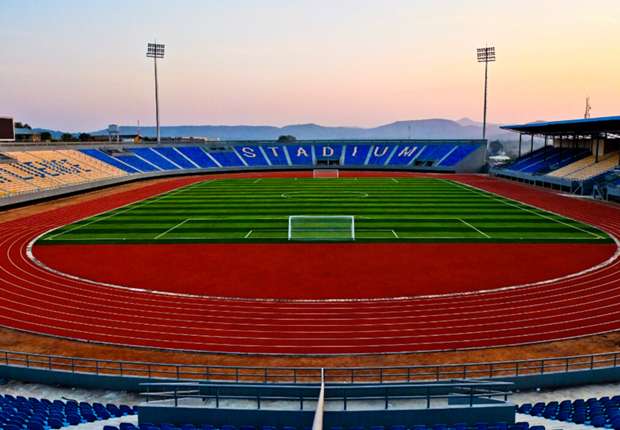
Several major projects became associated with the period, including the Greater Lokoja Water Scheme, Confluence Stadium, Lokoja International Market and housing projects in areas such as Otokiti and Ganaja.
The Greater Lokoja Water Scheme was particularly significant because access to reliable water affects everyday life, sanitation and public health.
The development of Confluence Stadium added to the state’s sports infrastructure, while the Lokoja International Market was intended to strengthen commercial activity in the state capital.
Housing projects also contributed to the expansion of residential infrastructure as Lokoja and surrounding communities continued to grow.
Road construction and rehabilitation formed another part of the administration’s infrastructure programme, with projects undertaken in different parts of the state.
Taken together, these interventions reflected an attempt to respond to the infrastructure needs of a growing state.
Their importance went beyond the physical structures themselves. Roads facilitate movement and trade, water projects affect household life and public health, markets support commerce, while housing and public facilities contribute to urban development.
5. Workers’ Welfare
Workers’ welfare was another issue that featured prominently during the Idris administration.
The government reportedly inherited salary arrears and unpaid leave bonuses when it assumed office. Addressing outstanding payments therefore became an early challenge.
For civil servants, unpaid salaries affect much more than the workplace. They can disrupt the payment of rent, school fees, medical bills and other basic household expenses.
The administration subsequently took steps to address outstanding payments and implement measures relating to workers’ salaries and welfare.
Supporters of Idris have continued to highlight this aspect of his administration when discussing his record.
The issue also reflected the wider importance of workers to the functioning of government. Schools, hospitals and other public institutions depend on teachers, healthcare workers and civil servants to deliver services.
For that reason, workers’ welfare remains part of the broader story of the Idris administration.
6. A Legacy Still Discussed In Kogi
The legacy of Ibrahim Idris is not tied to one project or one policy.
Rather, it is found in the cumulative record of almost nine years in government from schools and hospitals to roads, water schemes, housing, markets and support for students and workers.
His political journey was equally significant.
He came to power through an election, faced a legal challenge to his mandate, contested a re-run and eventually completed his tenure before handing over power in 2012.
But political history is rarely remembered through elections alone.
For ordinary citizens, government is often remembered through everyday experiences the school building in a community, the hospital where treatment was received, the road that made transportation easier, the water scheme that supplied homes or the scholarship that helped a student remain in school.
Following Idris’ death, Governor Usman Ododo described his years in public office as an important chapter in Kogi State’s political and developmental journey, citing interventions in infrastructure, education, healthcare and other sectors.
“His years in public office formed an important chapter in the political and developmental journey of Kogi State,” Governor Usman Ododo said in his condolence message.
As with every administration, the record of the Idris government remains open to different assessments. Questions about the effectiveness, sustainability and long-term impact of its projects will continue to form part of historical discussions about his time in office.
But there is little doubt that the period left a visible footprint on Kogi’s public infrastructure and political history.
As the state mourns the former governor popularly known as “Ibro,” the projects and programmes associated with his administration will remain part of the evidence through which his nearly nine years in office are remembered and reassessed.




