
NEMBE OIL SPILL RAISES ACCOUNTABILITY QUESTIONS
What happened
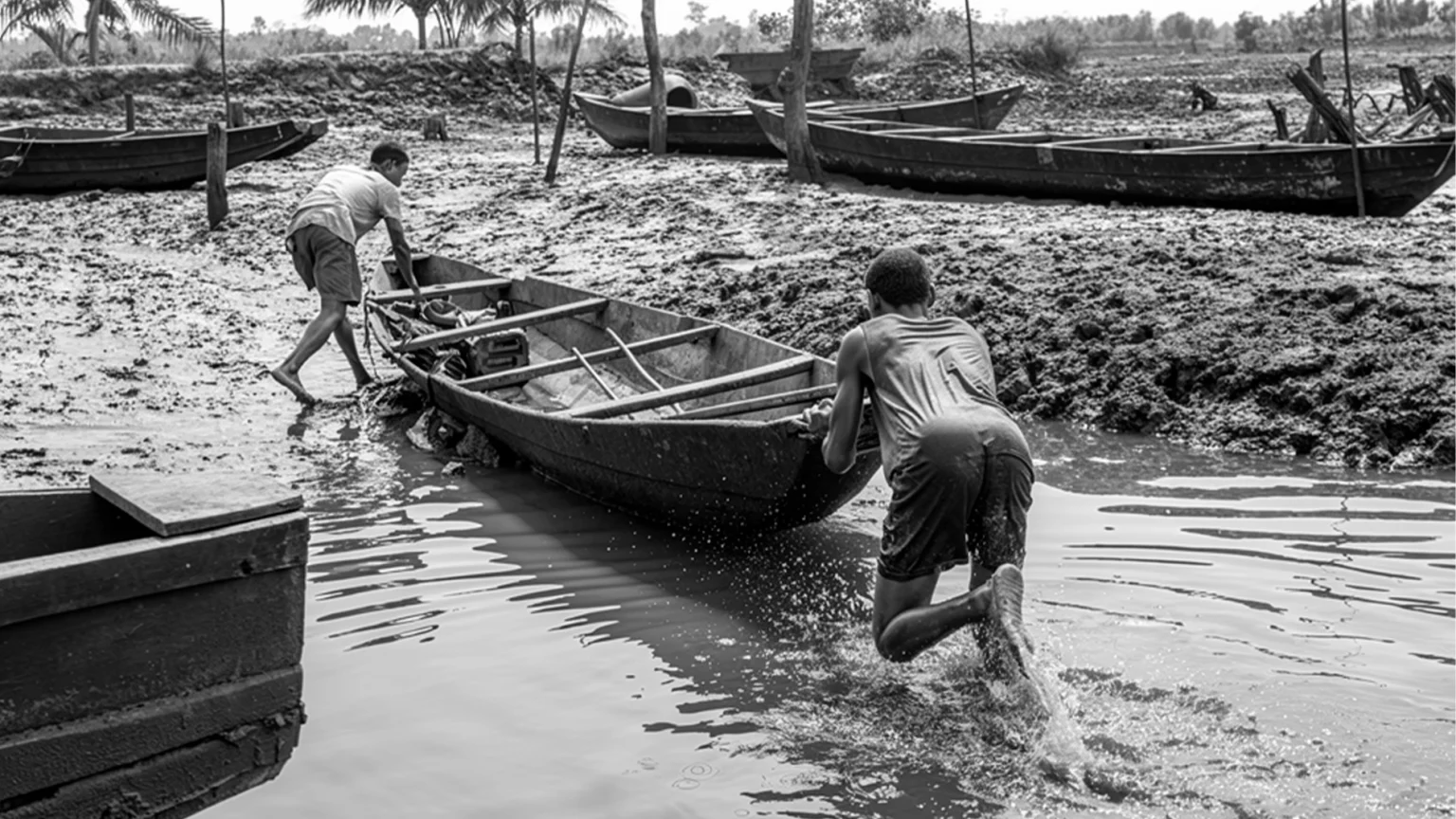
HOMEF led by Dr Nnimmo Bassey is demanding cleanup compensation and accountability after an August 22 crude spill at OML 29 Nembe Creek Bayelsa operated by Nembe Exploration and Production Ltd. HOMEF found crude across waterways and mangroves while residents reported damaged fishing nets and sharply reduced catches.
Why it matters
The spill threatens fishing livelihoods and fragile mangrove ecosystems. Although a JIV attributed the leak to operational failure HOMEF says the full spill volume and geographical impact remain unresolved.
Implication
Affected communities and environmental groups will be watching for cleanup compensation and transparent accountability.
LAGOS TIGHTENS FOCUS ON FOOD SAFETY

What happened
At the September 8 Lagos State Food Safety Conference in Ikeja LASCOPA CEO Afolabi Solebo and health experts warned of major food safety gaps. NAFDAC DG Prof Mojisola Adeyeye disclosed 225 suspected counterfeit product complaints in August.
Why it matters
Informal markets supply much of urban Nigeria but often operate without strong cold chain traceability and laboratory controls.
Implication
Regulators businesses and CSOs face growing pressure to strengthen testing lab capacity labelling and traceability.
ZAMFARA DIGITISES GENERAL HOSPITAL
What happened
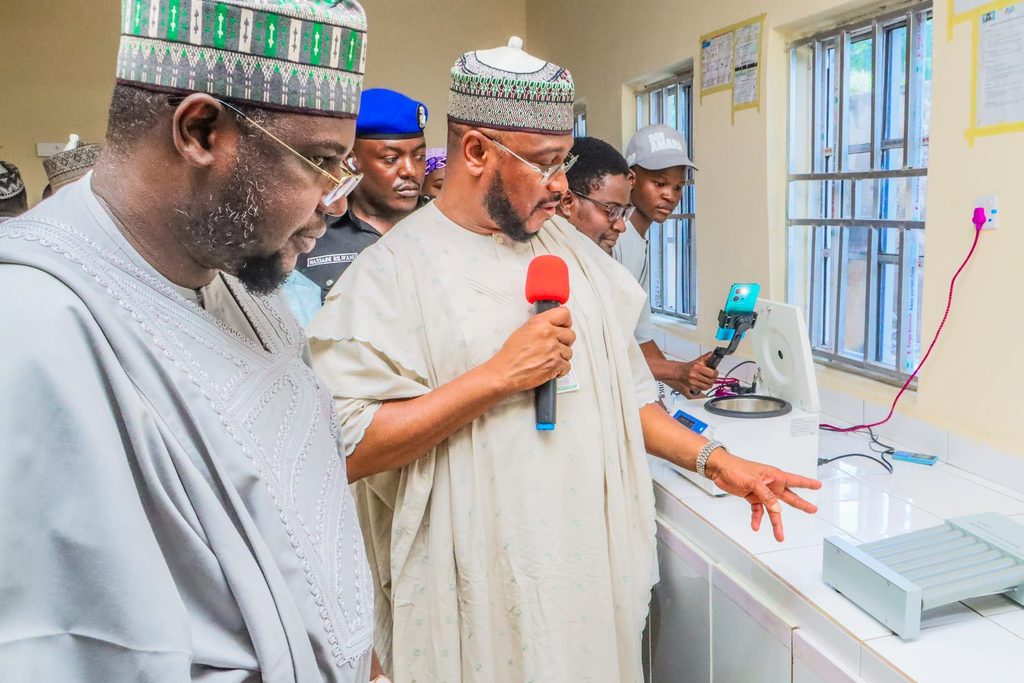
The Zamfara State Government under Governor Dauda Lawal’s Digital Transformation Agenda has digitised General Hospital Gusau the first of seven planned facilities. The system is being linked to the state’s digital drugs management platform.
Why it matters
Digital records could improve patient tracking revenue monitoring medicine supply and health service planning.
Implication
The key test will be whether digitisation reaches the remaining six hospitals and improves frontline services.
WUSE COLLAPSE TESTS BUILDING ENFORCEMENT

What happened
A three storey commercial building collapsed in Wuse Zone 4 Abuja on September 7 after FCTA Development Control had previously sealed the structure and ordered evacuation. FEMD received the distress call at about 7 20pm and no casualties were initially reported.
Why it matters
The incident raises questions about why a sealed building still collapsed and whether structural violations were adequately addressed before failure.
Implication
FCT authorities face pressure to explain the enforcement chain and prevent another avoidable collapse.
PESTICIDE EXPOSURE PUTS FARMERS AT RISK
What happened
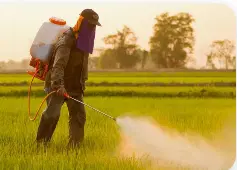
A study published in Frontiers in Public Health estimates that 69 percent of Nigerian farmers and farm workers experience unintentional acute pesticide poisoning annually. This is above the six country West African average of 48.9 percent.
Why it matters
Smallholder farmers agricultural workers and rural communities face significant occupational and environmental exposure risks while access to safer alternatives and training remains limited.
Implication
Agriculture programmes should treat pesticide safety farmer training and safer inputs as development priorities.
OVER ONE MILLION CHILDREN RETURN TO SCHOOL

What happened
Education Minister Dr Maruf Tunji Alausa said on September 8 in Abuja that more than 1 million out of school children have returned to classrooms in 20 months while nearly 6.7 million girls benefited from education interventions.
Why it matters
The figures signal progress on access but retention learning quality and the continued exclusion of vulnerable boys remain major challenges.
Implication
Government UNESCO and development partners will need to focus increasingly on measurable learning and retention outcomes.
WATCH CLOSELY
FROM PROJECTS TO SYSTEMS
Healthcare digitisation food safety education and environmental protection all point toward a growing focus on systems that can produce measurable results at scale. The next 3 to 12 months will show whether successful initiatives can move beyond individual states facilities and communities.
HIDDEN OPPORTUNITY
LOCAL CAPACITY IS BECOMING MORE VALUABLE
Nigerian NGOs researchers and development communicators can position themselves around evidence monitoring and local implementation capacity. ActionAid Nigeria is currently seeking an end of project evaluator for its West Africa agroecology and climate justice programme with applications closing September 14.
OVERLOOKED RISK
ENFORCEMENT WITHOUT FOLLOW THROUGH
From a sealed building collapsing to unresolved environmental pollution and counterfeit product complaints a recurring risk is the gap between regulation and actual enforcement. Weak follow through can undermine public trust donor confidence and development outcomes.